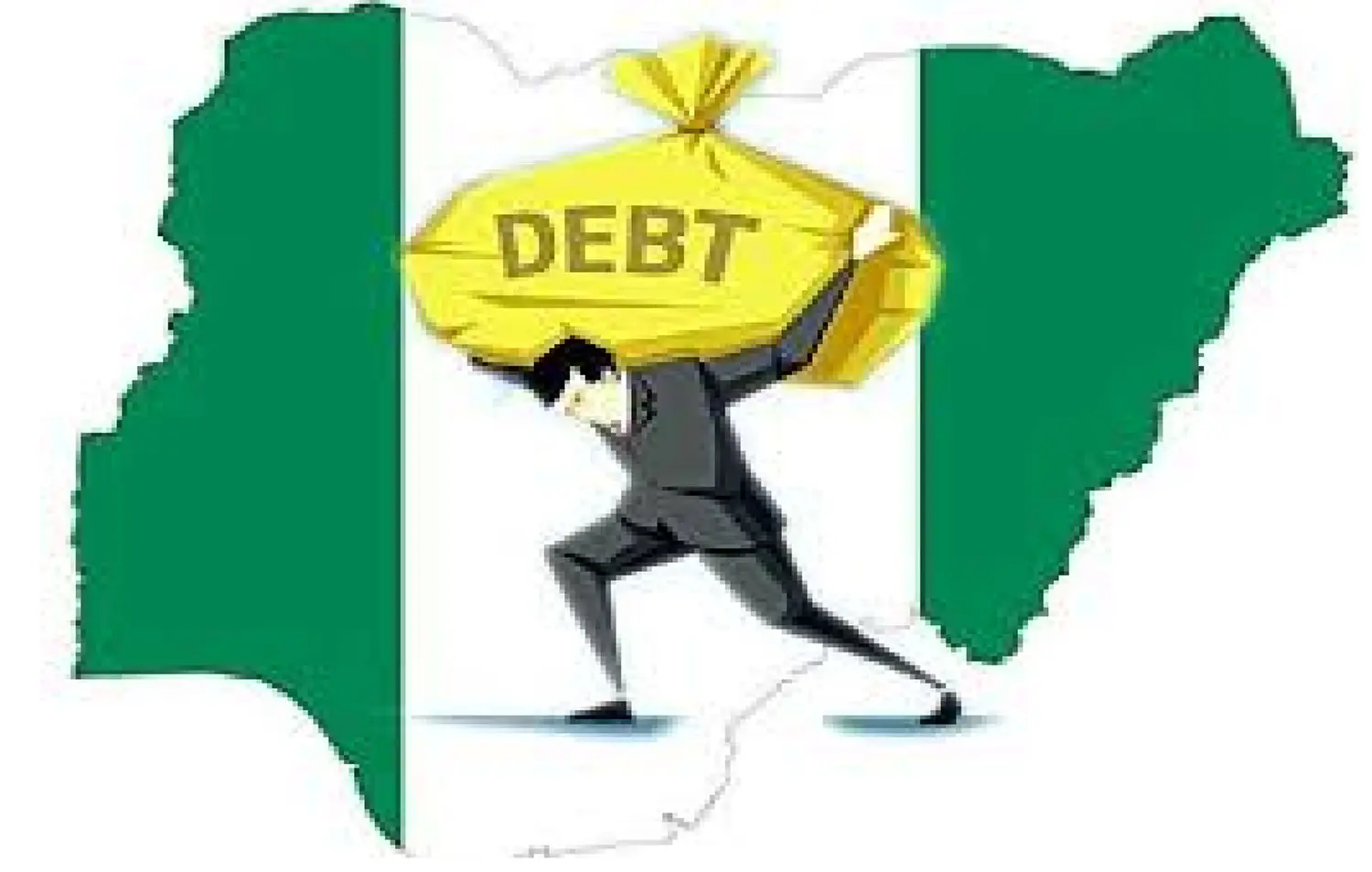
Thirty-one Nigerian states are saddled with a combined domestic debt of N2.57 trillion as of March 2025, with no foreign capital inflows recorded in the first quarter, according to the National Bureau of Statistics, and the Debt Management Office. This figure, representing 66.52% of the total subnational debt of N3.87 trillion, reflects a growing dependence on local borrowing and federal allocations amid waning investor interest at the state level.
Over the past year, 10 states added N417.71 billion to their debt, while others reduced theirs, resulting in a modest N56.67 billion drop from N2.63 trillion in March 2024. In contrast, five states and the Federal Capital Territory (FCT) attracted $5.63 billion in foreign investment in Q1 2025, up from $3.38 billion in Q1 2024, despite carrying N1.30 trillion in domestic debt. The FCT led with a fivefold increase to $3.05 billion, slashing its debt by N32.89 billion to N61.11 billion, while Lagos drew $2.56 billion, reducing its N929.41 billion debt by N55.37 billion to N874.04 billion.
Smaller inflows bolstered states like Ogun ($7.95 million, debt down N31.08 billion to N190.14 billion) and Oyo ($7.81 million, debt down N11.95 billion to N86.83 billion), though these gains remain minor. Kaduna and Kano also trimmed debts despite minimal foreign funds. However, the 31 states without inflows, including Rivers (N364.39 billion) and Delta (N204.72 billion), dominate the debt burden, with top debtors accounting for nearly 39% of their total.
This disparity highlights a concentration of foreign interest in Abuja and Lagos, which together secured over 99% of subnational inflows. Amid Nigeria’s economic recovery—marked by a 67.12% rise in capital importation to $5.64 billion in Q1 2025 and naira stability at N1,527/$1 today—challenges like 21.88% inflation in July and limited state-level access to global funds underscore the need for broader investment strategies.