RateCaptain
  • Home
    • About Us
    • Contact Us
  • FX Rates
  • Money Market
  • Cryptocurrency
  • Commodities
  • Corporates
No Result
View All Result
Subscribe
  • Home
    • About Us
    • Contact Us
  • FX Rates
  • Money Market
  • Cryptocurrency
  • Commodities
  • Corporates
No Result
View All Result
RateCaptain
No Result
View All Result
Home Banking

CBN and SEC Impose Fines on Banks Totaling N678 Million

Stephen Akudike by Stephen Akudike
May 20, 2024
in Banking, Economy
Reading Time: 2 mins read
A A
0
NEC Affirms CBN $3 Billion Loan for Naira Stability
Share on FacebookShare on TwitterShare on WhatsappShare on Telegram

Nine financial institutions in Nigeria paid fines totaling N678 million in 2023 for regulatory violations, a significant decrease from the N6.31 billion paid in 2022, according to an analysis of their annual reports by The PUNCH.

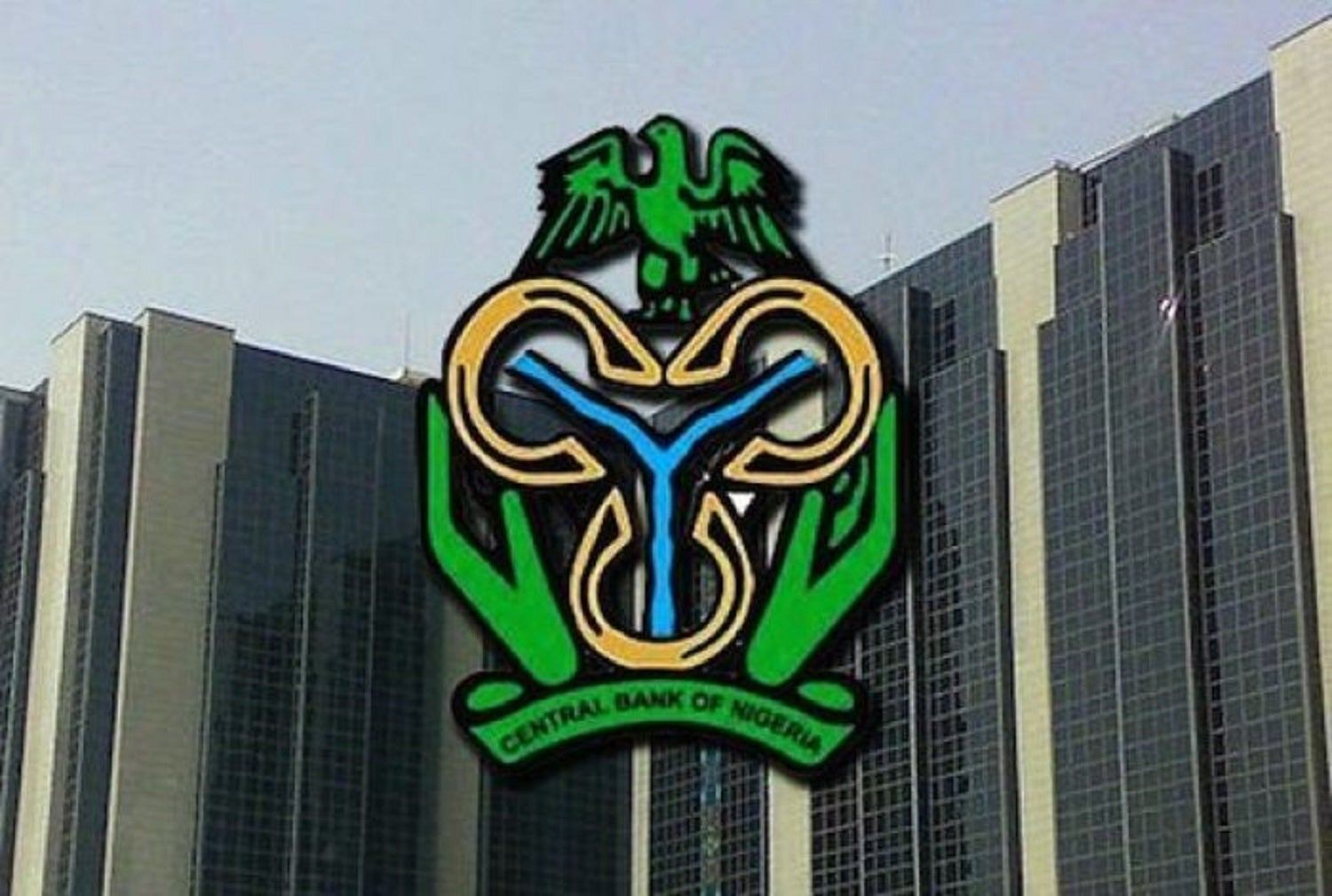
The banks that faced these penalties include FBN Holdings, Access Holdings, Guaranty Trust Holding Company (GTCO), Zenith Bank Plc, United Bank for Africa Plc (UBA), Fidelity Bank, Wema Bank, Stanbic IBTC Holdings, and FCMB Group. The fines were imposed by regulatory bodies such as the Central Bank of Nigeria (CBN), the Securities and Exchange Commission (SEC), the National Insurance Commission, NGX Regulation Limited, FMDQ, and the National Pension Commission.

AlsoRead

Naira Breaks Below N1,400 as Oil Rally and CBN Reforms Fuel Fresh Stability

Larger Disparities Boom Between Black Market and Official Rates

Emefiele’s Naira Redesign Memo Takes Centre Stage in EFCC Trial

Breakdown of Penalties

Zenith Bank, which incurred no penalties in 2022, was fined N21 million in 2023. The fines included N5 million for late rendition of CBN returns, N10 million for employing staff without CBN approval, N2 million for not addressing auditor recommendations, and N4 million for compliance issues related to politically exposed persons.

FBN Holdings paid N17.26 million in fines in 2023, down from N26 million the previous year. The penalties were primarily for late submission of financial statements to NGX RegCo and the SEC. Additionally, its subsidiary, FBNQuest Merchant Bank, paid N3 million to the SEC and N0.11 million to FMDQ for various infractions.

Access Holdings significantly reduced its fines from N604 million in 2022 to N81.60 million in 2023. The penalties included fines from PenCom for unauthorized advertising and data recapture sanctions, NGX RegCo for late financial statement filings, and the CBN for several infractions, including employment issues and delayed customer response.

GTCO’s fines dropped from N4.21 billion in 2022 to N73.98 million in 2023. These included penalties for risk asset examinations, consumer protection exercises, and AML/CFT examinations. Its subsidiaries also faced fines for non-compliance with regulatory requirements.

UBA reduced its penalties from N1.14 billion in 2022 to N110 million in 2023. The bank emphasized its zero-tolerance policy for regulatory infractions, highlighting efforts to integrate compliance into its business practices.

Fidelity Bank paid N42.96 million in fines in 2023, down from N100.71 million in 2022. The penalties were mainly for AML/CFT infractions and late returns filings.

Wema Bank’s fines increased to N61.35 million in 2023 from N2 million the previous year, primarily for cybersecurity framework contraventions, KYC issues, and late returns.

Stanbic IBTC Holdings saw a 22.01% decrease in fines, from N159 million in 2022 to N124 million in 2023. Penalties were imposed by the SEC for unauthorized investment products and by PenCom for RSA registration violations.

Regulatory Impact

The reduction in fines indicates improved regulatory compliance among Nigerian banks. However, the substantial penalties still highlight ongoing challenges in adhering to regulatory standards. The CBN, SEC, and other regulatory bodies continue to enforce strict compliance to maintain financial stability and integrity within the banking sector.

These measures aim to enhance transparency, reduce financial misconduct, and ensure that banks operate within the legal frameworks set by the regulatory authorities. The ongoing efforts by the banks to improve their compliance frameworks are crucial for fostering a stable and trustworthy financial environment in Nigeria.
Tags: #GTCO#NigeriaAccess HoldingsbanksCBNFBN HoldingsFCMB GroupFidelity BankFinancial institutionsfinesRegulatory complianceSECStanbic IBTCUBAWema BankZenith Bank
Previous Post

Naira Appreciates Against Dollar, Hits N1,470/$1 in Parallel Market

Next Post

Bitcoin Reaches Highest Level Since Halving Event

Related News

Angola Surpasses Nigeria, Becomes Africa’s Largest Oil Producer in August

Naira Breaks Below N1,400 as Oil Rally and CBN Reforms Fuel Fresh Stability

by Akpan Edidong
February 5, 2026
0

Nigeria’s naira has strengthened markedly in the official foreign exchange market, closing January at N1,386.55 per US dollar  its firmest...

Naira Surges Against US Dollar, Falls Below N1,000 Mark

Larger Disparities Boom Between Black Market and Official Rates

by Stephen Akudike
February 5, 2026
0

The gap between Nigeria’s official and parallel (black market) exchange rates has widened to over 6%, reviving fears of renewed...

U.S. Steps In on Emefiele Trial, Alleges Human Rights Violations

Emefiele’s Naira Redesign Memo Takes Centre Stage in EFCC Trial

by Victoria Attah
February 5, 2026
0

A 2022 memo from former Central Bank of Nigeria (CBN) Governor Godwin Emefiele seeking presidential approval for the controversial naira...

FG Allocates N5.1 Billion for Presidential Yacht and N5.5 Billion For Student Loans

Government Securities Now 11% of Nigerian Banks’ Assets as Credit Growth Lags

by Stephen Akudike
February 4, 2026
0

Nigerian banks’ exposure to government securities has risen sharply in recent years, now accounting for approximately 11% of their total...

Next Post
IMF Cautions Central African Republic against Adopting Bitcoin

Bitcoin Reaches Highest Level Since Halving Event

Leave a Reply Cancel reply

Your email address will not be published. Required fields are marked *

Recommended

Angola Surpasses Nigeria, Becomes Africa’s Largest Oil Producer in August

Naira Breaks Below N1,400 as Oil Rally and CBN Reforms Fuel Fresh Stability

February 5, 2026
Naira Surges Against US Dollar, Falls Below N1,000 Mark

Larger Disparities Boom Between Black Market and Official Rates

February 5, 2026

Popular Story

  • Nigeria’s Opportunity: Navigating Global Oil Surge Amid Libya’s Top Oilfield Disruption

    Oil Prices Surge Above Nigeria’s Budget Benchmark, Lifting Naira and Reserves

    0 shares
    Share 0 Tweet 0
  • Emefiele’s Naira Redesign Memo Takes Centre Stage in EFCC Trial

    0 shares
    Share 0 Tweet 0
  • Manufacturers and Employers Warn N400 Billion Investments at Risk from Sachet Alcohol Ban

    0 shares
    Share 0 Tweet 0
  • Naira Closes January at N1,386.55/$ in Official Market, Strongest Level in Nearly Two Years

    0 shares
    Share 0 Tweet 0
  • Government Securities Now 11% of Nigerian Banks’ Assets as Credit Growth Lags

    0 shares
    Share 0 Tweet 0
RateCaptain

RateCaptain

We bring you the most accurate in new and market data. Check our landing page for details.

  • Home
  • About Us
  • Privacy Policy
  • Terms & Conditions
  • Disclaimer
  • Cookie Policy
  • Contact Us

Copyright © 2022 RateCaptain - All rights reserved by RateCaptain.

No Result
View All Result
  • Home
    • About Us
    • Contact Us
  • FX Rates
  • Money Market
  • Cryptocurrency
  • Commodities
  • Corporates

Copyright © 2022 RateCaptain - All rights reserved by RateCaptain.

RateCaptain
Manage Cookie Consent
To provide the best experiences, we use technologies like cookies to store and/or access device information. Consenting to these technologies will allow us to process data such as browsing behavior or unique IDs on this site. Not consenting or withdrawing consent, may adversely affect certain features and functions.
Functional Always active
The technical storage or access is strictly necessary for the legitimate purpose of enabling the use of a specific service explicitly requested by the subscriber or user, or for the sole purpose of carrying out the transmission of a communication over an electronic communications network.
Preferences
The technical storage or access is necessary for the legitimate purpose of storing preferences that are not requested by the subscriber or user.
Statistics
The technical storage or access that is used exclusively for statistical purposes. The technical storage or access that is used exclusively for anonymous statistical purposes. Without a subpoena, voluntary compliance on the part of your Internet Service Provider, or additional records from a third party, information stored or retrieved for this purpose alone cannot usually be used to identify you.
Marketing
The technical storage or access is required to create user profiles to send advertising, or to track the user on a website or across several websites for similar marketing purposes.
  • Manage options
  • Manage services
  • Manage {vendor_count} vendors
  • Read more about these purposes
View preferences
  • {title}
  • {title}
  • {title}
?>