RateCaptain
  • Home
    • About Us
    • Contact Us
  • FX Rates
  • Money Market
  • Cryptocurrency
  • Commodities
  • Corporates
No Result
View All Result
Subscribe
  • Home
    • About Us
    • Contact Us
  • FX Rates
  • Money Market
  • Cryptocurrency
  • Commodities
  • Corporates
No Result
View All Result
RateCaptain
No Result
View All Result
Home Currencies

 CBN’s Cash Limit Revisions Fuel Naira Flow Chaos, Drawing Outrage from Businesses and Experts

Stephen Akudike by Stephen Akudike
December 4, 2025
in Currencies, Economy
Reading Time: 3 mins read
A A
0
13 days to the expiration of old naira, scarcity of the new notes persists.
Share on FacebookShare on TwitterShare on WhatsappShare on Telegram

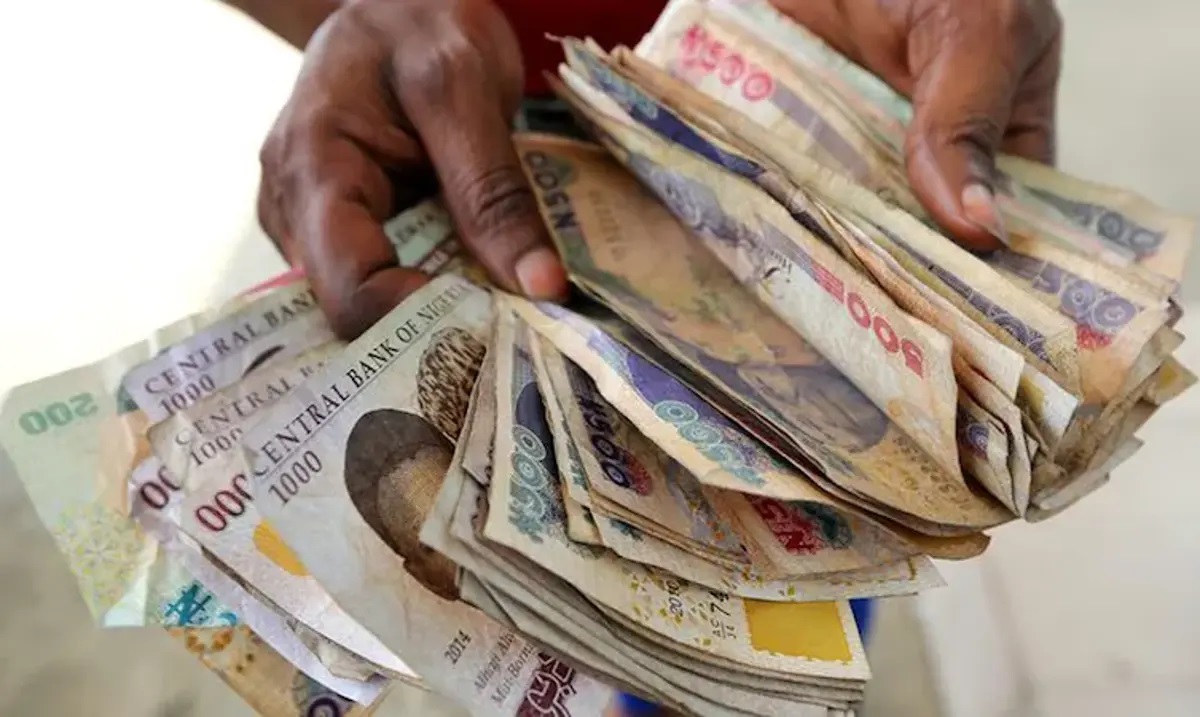
In a move hailed by some as a pragmatic thaw but decried by many as a reckless gamble, the Central Bank of Nigeria (CBN) has overhauled its cash handling guidelines, only to unleash a torrent of criticism over what detractors call a dangerous warping of everyday naira transactions. Effective January 1, 2026, the policy boosts weekly cash pullouts to ₦500,000 for everyday users and ₦5 million for companies, while scrapping caps on deposits but at the steep cost of baking in fees and caps that experts say will choke liquidity in an already strained market.

The uproar centers on fears that these half-measures will distort the natural ebb and flow of naira in Nigeria’s cash-hungry informal sector, where digital alternatives remain spotty and inflation gnaws at purchasing power. Point-of-Sale (PoS) hustlers, market vendors, and rural traders who form the backbone of the economy are venting frustration that the rules will perpetuate shortages, inflate black-market premiums, and invite criminal exploitation, all while failing to deliver the full relief promised.

AlsoRead

Naira Breaks Below N1,400 as Oil Rally and CBN Reforms Fuel Fresh Stability

Larger Disparities Boom Between Black Market and Official Rates

Emefiele’s Naira Redesign Memo Takes Centre Stage in EFCC Trial

“This isn’t easing the pain; it’s twisting the knife,” fumed Chinedu Eze, a PoS vendor in bustling Onitsha markets, whose daily grind relies on steady cash inflows from banks. “We’ve been starving for notes since the old caps bit us in 2022. Now they dangle this ₦500,000 carrot, but with daily ATM squeezes at ₦100,000 and fees kicking in on extras, it’s just shuffling the deck. Customers can’t get what they need, so they’re turning to us for markups up to 10% on withdrawals. How is that not distorting the whole system?” Eze’s gripe echoes a swelling chorus from the streets, where operators report erratic bank supplies forcing them to hike service charges, further eroding trust in formal finance.

The policy’s blueprint, detailed in a CBN memo dated December 2, axes the old weekly deposit ceilings and their punitive surcharges, aiming to slash handling costs and nudge folks toward e-payments. But pullouts beyond the new thresholds trigger 3% penalties for individuals and 5% for firms on the surplus, with proceeds split between the central bank (40%) and lenders (60%). Gone too are the one-off monthly opt-outs that let people grab up to ₦5 million or ₦10 million in a pinch. Proponents, including CBN insiders, frame it as a security-savvy pivot to tame illicit flows and cut printing bills in a nation where cash still rules 80% of dealings.

Yet the backlash paints a grimmer picture of economic sabotage. Financial watchdogs argue the limits—while looser than the draconian 2022 curbs ignore the realities of a ₦1.2 trillion informal bazaar battered by 28% inflation and fuel scarcity. “These revisions are a band-aid on a hemorrhage,” blasted Lagos-based economist Prof. Fatima Yusuf, who slammed the caps as “arbitrary handcuffs” that will funnel naira into shadowy channels. “Rural folks and small traders need unrestricted access to grease the wheels, not these bureaucratic dams. We’re seeing naira hoarding spike already, with premiums on fresh bills hitting 5-7% in Abuja alleys. This policy doesn’t fix flow; it fractures it, breeding more distortion and despair.”

Security hawks are piling on, warning that loosening the spigot without beefed-up safeguards could supercharge crime in a country reeling from banditry and cyber-fraud. “Flooding streets with more loose cash amid our crises? That’s not governance it’s gross oversight,” one anonymous analyst quipped in online forums, a sentiment rippling through policy critiques. Consultants from outfits like Vanguard Risk Advisors urge mandatory transaction tracing and geo-fenced PoS enforcement to plug leaks, but doubt the CBN’s follow-through. “Without ironclad monitoring, this eases pickpockets’ paths and launderers’ games,” said risk expert Dr. Emeka Nwosu.

PoS networks, still smarting from October’s geo-tagging mandates that slapped ₦5 million fines on non-compliers, see the cash tweaks as a double whammy. While some agents welcome the deposit freedom to restock without red flags, others decry how bundled ATM and PoS limits will throttle their throughput. “We were pushing cards and transfers to survive the squeeze now this tempts everyone back to wads of notes, killing our momentum,” griped Amina Bello, head of a Kaduna PoS collective. “And with banks still rationing cash like wartime rations, the distortion hits hardest here: long queues, angry mobs, and us caught in the crossfire.”

Broader ripples are unnerving investors too. Stock watchers at the Nigerian Exchange note a 2% dip in banking shares post-announcement, chalked up to qualms over fee-dependent revenue clashing with cash-hoard habits. International observers, from the IMF to AfDB, have long prodded Nigeria toward cashless bliss, but locals retort that spotty networks and power blackouts make that a pipe dream.

As the dust settles, the CBN faces a high-stakes tightrope: revive liquidity without reigniting the cash wars of yore. For now, the outrage underscores a raw truth—in a naira economy this volatile, even tweaks can tip the scales toward turmoil. Regulators promise awareness drives and digital perks to smooth adoption, but skeptics demand bolder strokes: full limit lifts for low-risk users and subsidies for rural fintech. Until then, the flow stays fractured, and the fury simmers.
Previous Post

Healthy Eating Now Costs Nigerians ₦1,611 Daily as Food Prices Surge 27% in One Year

Next Post

 Is This the Most Detty December for the Naira?

Related News

Angola Surpasses Nigeria, Becomes Africa’s Largest Oil Producer in August

Naira Breaks Below N1,400 as Oil Rally and CBN Reforms Fuel Fresh Stability

by Akpan Edidong
February 5, 2026
0

Nigeria’s naira has strengthened markedly in the official foreign exchange market, closing January at N1,386.55 per US dollar  its firmest...

Naira Surges Against US Dollar, Falls Below N1,000 Mark

Larger Disparities Boom Between Black Market and Official Rates

by Stephen Akudike
February 5, 2026
0

The gap between Nigeria’s official and parallel (black market) exchange rates has widened to over 6%, reviving fears of renewed...

U.S. Steps In on Emefiele Trial, Alleges Human Rights Violations

Emefiele’s Naira Redesign Memo Takes Centre Stage in EFCC Trial

by Victoria Attah
February 5, 2026
0

A 2022 memo from former Central Bank of Nigeria (CBN) Governor Godwin Emefiele seeking presidential approval for the controversial naira...

Naira crashes to N742/$ in the parallel market

Naira Surges to N1,358.91/$ in Official Market, Strongest Level in Nearly Two Years

by Stephen Akudike
February 5, 2026
0

The Nigerian naira delivered its strongest official-market performance in nearly two years on Tuesday, closing at N1,358.91 per US dollar...

Next Post
Naira crashes to N742/$ in the parallel market

 Is This the Most Detty December for the Naira?

Leave a Reply Cancel reply

Your email address will not be published. Required fields are marked *

Recommended

Angola Surpasses Nigeria, Becomes Africa’s Largest Oil Producer in August

Naira Breaks Below N1,400 as Oil Rally and CBN Reforms Fuel Fresh Stability

February 5, 2026
Naira Surges Against US Dollar, Falls Below N1,000 Mark

Larger Disparities Boom Between Black Market and Official Rates

February 5, 2026

Popular Story

  • U.S. Steps In on Emefiele Trial, Alleges Human Rights Violations

    Emefiele’s Naira Redesign Memo Takes Centre Stage in EFCC Trial

    0 shares
    Share 0 Tweet 0
  • Naira Surges to N1,358.91/$ in Official Market, Strongest Level in Nearly Two Years

    0 shares
    Share 0 Tweet 0
  • Larger Disparities Boom Between Black Market and Official Rates

    0 shares
    Share 0 Tweet 0
  • Naira Breaks Below N1,400 as Oil Rally and CBN Reforms Fuel Fresh Stability

    0 shares
    Share 0 Tweet 0
  • MoMo PSB and fintech experts advocate collaboration for financial inclusion.

    0 shares
    Share 0 Tweet 0
RateCaptain

RateCaptain

We bring you the most accurate in new and market data. Check our landing page for details.

  • Home
  • About Us
  • Privacy Policy
  • Terms & Conditions
  • Disclaimer
  • Cookie Policy
  • Contact Us

Copyright © 2022 RateCaptain - All rights reserved by RateCaptain.

No Result
View All Result
  • Home
    • About Us
    • Contact Us
  • FX Rates
  • Money Market
  • Cryptocurrency
  • Commodities
  • Corporates

Copyright © 2022 RateCaptain - All rights reserved by RateCaptain.

RateCaptain
Manage Cookie Consent
To provide the best experiences, we use technologies like cookies to store and/or access device information. Consenting to these technologies will allow us to process data such as browsing behavior or unique IDs on this site. Not consenting or withdrawing consent, may adversely affect certain features and functions.
Functional Always active
The technical storage or access is strictly necessary for the legitimate purpose of enabling the use of a specific service explicitly requested by the subscriber or user, or for the sole purpose of carrying out the transmission of a communication over an electronic communications network.
Preferences
The technical storage or access is necessary for the legitimate purpose of storing preferences that are not requested by the subscriber or user.
Statistics
The technical storage or access that is used exclusively for statistical purposes. The technical storage or access that is used exclusively for anonymous statistical purposes. Without a subpoena, voluntary compliance on the part of your Internet Service Provider, or additional records from a third party, information stored or retrieved for this purpose alone cannot usually be used to identify you.
Marketing
The technical storage or access is required to create user profiles to send advertising, or to track the user on a website or across several websites for similar marketing purposes.
  • Manage options
  • Manage services
  • Manage {vendor_count} vendors
  • Read more about these purposes
View preferences
  • {title}
  • {title}
  • {title}
?>