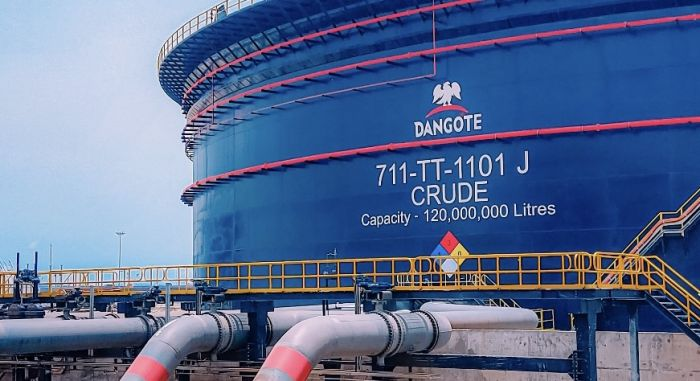
Tensions are simmering at the Dangote Petroleum Refinery, where a group of engineers claims they’re being unfairly targeted for their union activities through forced moves to unrelated sectors within the broader Dangote conglomerate.
The controversy stems from last week’s high-profile strike by the Petroleum and Natural Gas Senior Staff Association of Nigeria (PENGASSAN), which halted operations at key oil and gas sites from Sunday to Tuesday. The action was in solidarity with approximately 800 refinery staff members dismissed for aligning with the union. The walkout led to widespread disruptions in fuel supply and electricity output across the country, prompting swift federal government involvement to broker a resolution.
Under the agreement, the Dangote Group committed to reassigning the affected employees rather than outright terminations. Yet, as of Tuesday, the engineers report receiving no formal updates on their placements, leaving them in limbo since late September.
Speaking off the record to avoid repercussions, several of the impacted professionals expressed deep frustration. “This feels like retaliation for standing up for our rights,” one engineer shared. “Our contracts were with the refinery itself, not the entire group. Shifting us to sugar processing or cement production doesn’t make sense—especially for those of us trained in petrochemicals. It’s taking a toll on our mental health.”
The workers recounted being barred from the site by security personnel on multiple occasions, with some incidents captured in photos. They allege that operations are now solely in the hands of expatriate staff from India, as local talent was sidelined for union involvement.
The group emphasized that their decision to join PENGASSAN wasn’t premeditated. “Management explicitly stated we could unionize, so we did,” another worker explained. “If compensation was competitive—ours hovers around 400,000 naira monthly before cuts—we might not have bothered.” They vehemently denied any sabotage, insisting on their dedication to the $20 billion project. “We’ve poured our expertise into building this from the ground up. Undermining it would betray everything we stand for and the benefits it brings to Nigeria.”
In response, Dangote Group’s communications arm firmly rejected the accusations of union-based reprisals. “The separations involved a limited number of individuals engaged in disruptive behavior at the facility, as part of an internal restructuring,” a spokesperson clarified on Wednesday. “Plenty of PENGASSAN-affiliated staff remain on the refinery payroll, and we’re actively hiring more Nigerian professionals through trainee and experienced roles. Over 3,000 locals are still contributing daily.”
A high-ranking executive elaborated that redeployments across Dangote’s diverse portfolio—from cement to fertilizers—are standard practice. “Mobility is part of our corporate culture; it’s happened before without issue,” the official said. They also dismissed salary complaints as inaccurate, asserting that pay scales exceed the figures cited.
Sources close to the company indicate plans to backfill the refinery positions with fresh hires, while some of the engineers might head to international outposts. However, the workers view this as a demotion in prestige and relevance, arguing it undermines their specialized skills.
This episode unfolds amid a string of challenges for the refinery. Earlier this month, the Nigeria Union of Petroleum and Natural Gas Workers (NUPENG) and the Depot and Petroleum Products Marketers Association accused the facility of aggressive pricing tactics that squeeze independent sellers. NUPENG also criticized restrictions on tanker drivers’ union rights, leading to temporary shutdowns despite prior mediation efforts.
PENGASSAN’s intervention amplified the pressure, resulting in supply chain halts and fuel shortages. While government-facilitated talks have de-escalated the immediate crisis, observers are monitoring whether the redeployment pledges will be honored to prevent further unrest.
As the presidency weighs in, the engineers await their next steps, hopeful for a fair outcome that keeps their expertise where it’s most needed—at the heart of Nigeria’s energy future.