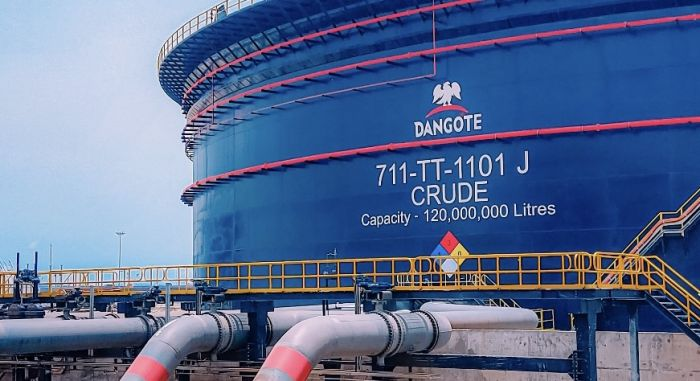
The Lekki-based refinery, Africa’s largest single-train facility, recently adjusted its Premium Motor Spirit (PMS) gantry price downward by N25 per litre, bringing it from N799 to N774 per litre. This move, announced in early February 2026 and effective immediately, has intensified pressure on imported fuel suppliers and other domestic players.
In response, several independent depot owners have reduced their offerings to stay competitive. Industry tracking platforms like PetroleumPriceNG report that some depots have dropped prices to approximately N780 per litre, only slightly above Dangote’s level. Specific adjustments include Eterna Oil and Fatgbems lowering to N788 per litre, with Bono Energy and Emadeb aligning at the same rate.
The escalation stems from earlier market shifts. When the refinery temporarily scaled back operations for maintenance, importers capitalized by offering lower prices, prompting Dangote to accuse them of undercutting efforts to destabilize local production. The refinery’s swift counter-adjustment has now flipped the dynamic, forcing a broader repricing across the supply chain.
Analysts highlight Dangote’s dominant position as a key factor in this standoff. With substantial refining capacity now meeting a significant portion of national demand—recent data shows daily petrol supply rising notably—the facility enjoys greater flexibility to sustain lower margins during competitive periods. Energy commentator Adeola Yusuf noted that the refinery commands nearly half of the downstream market, enabling it to endure prolonged price battles that could strain smaller operators.
Consumers stand to gain the most from this development, as reduced depot prices are expected to gradually filter through to retail pumps, easing the burden on household and business budgets amid ongoing economic pressures.
Yet industry observers caution against over-optimism. Sustained aggressive discounting risks eroding profit margins to unsustainable levels, potentially driving weaker participants out of the market and leading to consolidation. Experts warn that while short-term relief is welcome, long-term stability in Nigeria’s fuel pricing will depend on balanced competition, efficient local refining, and reduced reliance on imports.
The Dangote Refinery’s strategic pricing continues to reshape the landscape, underscoring its growing influence in transforming Nigeria from a major fuel importer to a more self-reliant producer. As the battle for market dominance unfolds, the coming months will test the resilience of all players in this critical sector.