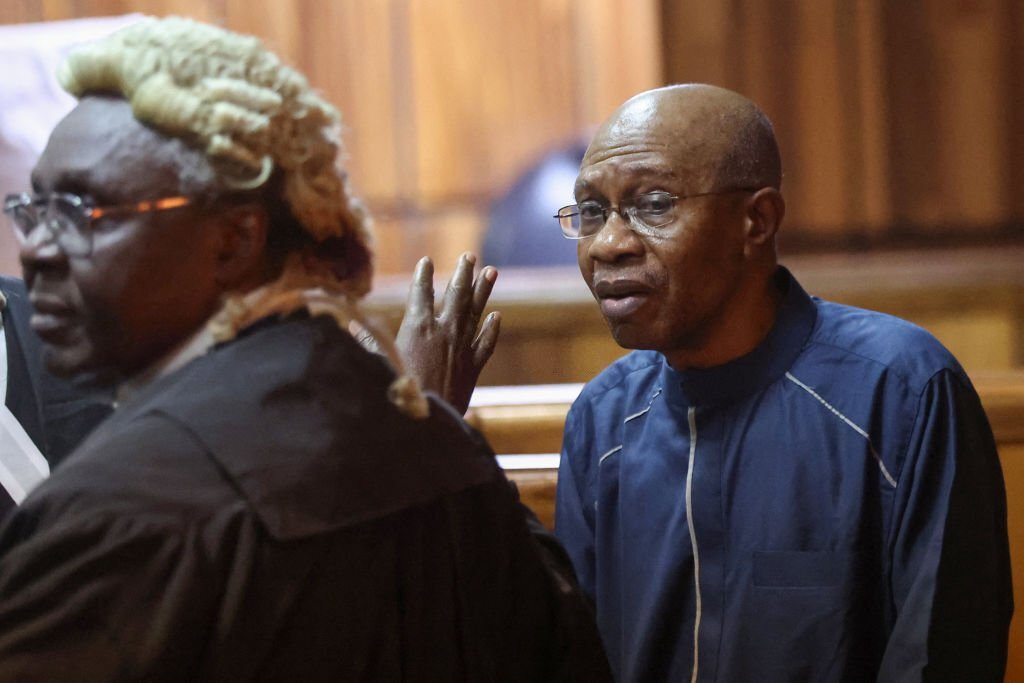
A 2022 memo from former Central Bank of Nigeria (CBN) Governor Godwin Emefiele seeking presidential approval for the controversial naira redesign policy became the focal point of his ongoing trial on Tuesday, as the Economic and Financial Crimes Commission (EFCC) called its seventh prosecution witness.
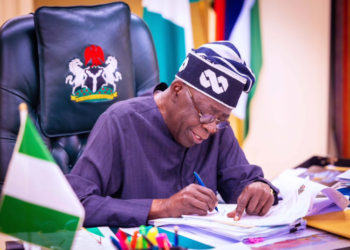
Testifying before Justice Maryanne Anenih at the Federal Capital Territory High Court in Abuja, EFCC investigator Chinedu Eneaya confirmed that the memo which pitched the redesign of the N200, N500, and N1,000 notes as essential to tackle counterfeiting and improve the quality of fit banknotes received the endorsement of then-President Muhammadu Buhari.
Under cross-examination by Emefiele’s lead counsel, Senior Advocate Olalekan Ojo, the witness read out Buhari’s handwritten approval on the document: “Approved but to be produced locally.” The endorsement highlighted the former president’s backing for the initiative, although the policy’s chaotic implementation triggered severe cash shortages, public hardship, and widespread economic disruption in late 2022 and early 2023.
Eneaya also detailed the roles of De La Rue (the UK-based firm involved in the redesign) and the Nigerian Security Printing and Minting Company (which handled local production). He confirmed that the CBN made payments to both entities for their services. When pressed on whether any previous CBN deputy governors had recommended a fully Nigerian firm for the design work, the witness said he could not recall such advice.
The defence sought and was granted access to the EFCC’s full investigative report to challenge aspects of Eneaya’s testimony. Prosecution counsel Rotimi Oyedepo had initially opposed the request, arguing that all relevant documents were already before the court, but Justice Anenih ruled in favour of the defence.
Earlier testimony from former CBN Deputy Governor Kingsley Obiorah revealed that the apex bank’s board was not informed of the redesign policy until mid-December 2022, raising fresh questions about internal governance and decision-making processes at the time.
The EFCC is prosecuting Emefiele on multiple charges related to the naira redesign, alleging abuse of office, economic sabotage, and actions that caused financial losses and public distress. Emefiele and his legal team maintain that the policy was lawful, presidentially approved, and aimed at addressing genuine currency challenges.
The trial, which has drawn intense public interest due to its intersection of monetary policy, politics, and governance, has been adjourned to February 10, 2026, for continuation. More witnesses are expected to testify in the coming sessions, potentially shedding further light on one of the most disruptive economic policies in Nigeria’s recent history.
As proceedings continue, the naira redesign saga remains a stark reminder of how central banking decisions can ripple through the entire economy and how fiercely they are scrutinised when the outcomes fall short of expectations.