RateCaptain
  • Home
    • About Us
    • Contact Us
  • FX Rates
  • Money Market
  • Cryptocurrency
  • Commodities
  • Corporates
No Result
View All Result
Subscribe
  • Home
    • About Us
    • Contact Us
  • FX Rates
  • Money Market
  • Cryptocurrency
  • Commodities
  • Corporates
No Result
View All Result
RateCaptain
No Result
View All Result
Home Economy

FG Considers Review of Power Distribution Tariffs as Subsidy Expenditure Hits N2.8tn.

Stephen Akudike by Stephen Akudike
September 13, 2023
in Economy, Energy
Reading Time: 2 mins read
A A
0
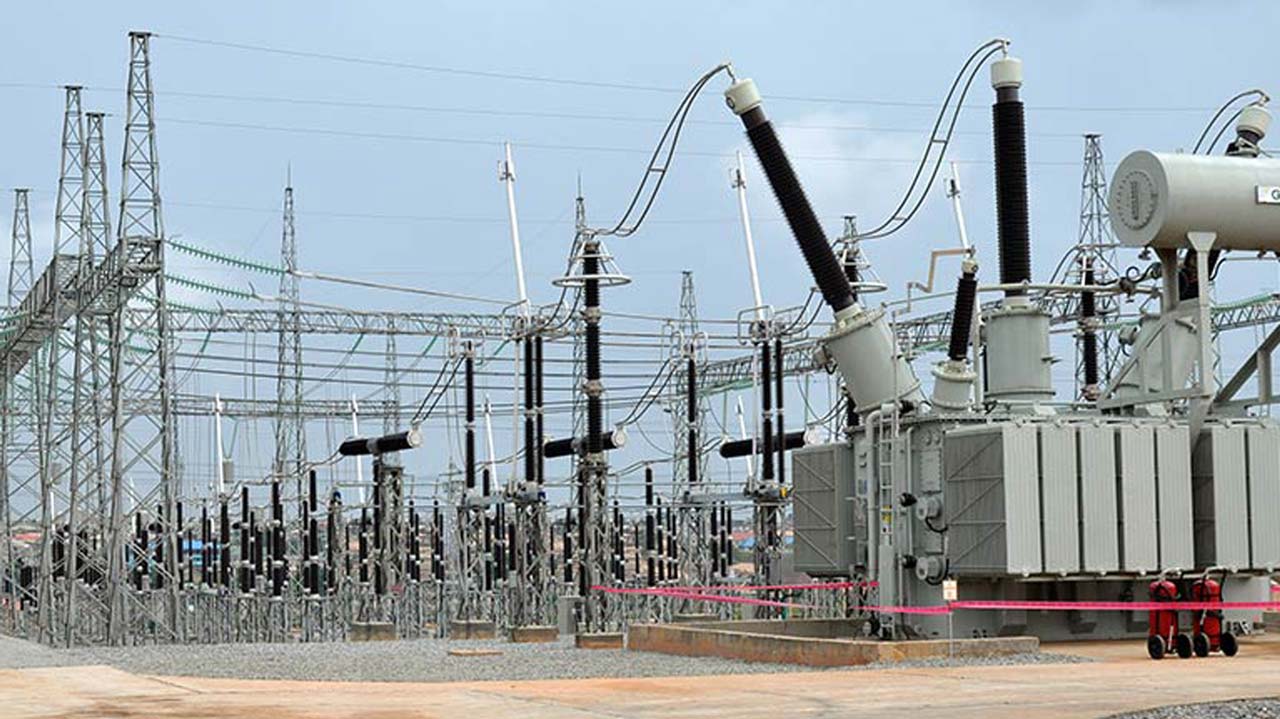
Nigeria Exports Electricity Worth N23bn as Local Consumers Suffer Outages.
Share on FacebookShare on TwitterShare on WhatsappShare on Telegram

In response to the rising expenditure on electricity subsidy, the Federal Government of Nigeria is reportedly considering the request made by power distribution companies (Discos) for a review of their tariffs. Recent data from the Nigerian Electricity Regulatory Commission (NERC) suggests that previous tariff hikes by Discos have helped save the government from paying an additional N1tn in annual subsidies to power firms.

The NERC report, titled “Overview of the Nigeria Electricity Supply Industry,” was released in July 2023 and provides insights into the country’s tariff review journey. According to the report, between January 2020 and January 2023, tariffs increased from 55% to 94% of the cost recovery. The report further emphasizes that without the tariff reviews initiated in 2019, government subsidies to power firms would have grown to around N1tn per year by 2023. The implementation of the Service-Based Tariff played a crucial role in transitioning to cost-reflective levels.

AlsoRead

Nigeria’s Fuel Import Bill Plunges 54% in Two Years as Domestic Refining Gains Ground

Nigeria’s Statistics Bureau to Brief Stakeholders Ahead of Key December Inflation Data

Nigeria’s Debt Service Projected to Exceed N91 Trillion by 2028, Crowding Out Development Spending

The NERC report reveals that subsidy payments (tariff shortfalls) made by the Federal Government between 2015 and 2022 reached N2.8tn by December 2022. Additionally, between January and April 2023, electricity subsidies amounted to N57bn. The Service-Based Tariff scheme has played a vital role in reducing the government’s expenditure on power subsidies. The report states that annual subsidies decreased from N528bn in 2019 to N144bn in 2022, with a subsidy of N57bn reported for the year 2023 up to April.

The Federal Government has been incrementally raising power tariffs through the NERC with the objective of eliminating electricity subsidies. However, a recent tariff hike announced by some Discos was met with widespread criticism, prompting a backtrack by the companies when it became clear that the Nigerian Electricity Regulatory Commission had not approved the increase. This development led to concerns among power consumers, with prepaid users rushing to purchase additional electricity units in anticipation of a potential tariff hike.

The NERC notice, published in The PUNCH, stated that the 11 successor electricity distribution companies have filed an application for rate review, citing changes in macroeconomic parameters and other factors affecting service quality, operations, and sustainability. In response, the NERC plans to address the power firms’ requests for a tariff hike during an upcoming meeting. The commission intends to scrutinize the justification for the increase, such as whether the companies have fulfilled their obligations outlined in their Performance Improvement Plan, including the purchase of transformers, lines, meters, and the provision of extended hours of electricity supply.

The NERC has also invited the general public to submit comments on the rate review applications by the distribution licensees, urging interested stakeholders to review and consider the excerpts of the applications filed with the commission.

As the Federal Government evaluates the request for tariff review, the ultimate aim is to strike a balance between ensuring cost-reflective tariffs for power distribution companies and minimizing the burden of electricity subsidies on the government.

Tags: Cost recoveryElectricity affordabilityElectricity subsidyFederal Government of NigeriaMacroeconomic parametersNigerian Electricity Regulatory Commission (NERC)Nigerian Electricity SectorPerformance Improvement PlanPower consumption.Power distribution companiesPower sector regulatorPublic consultationService-Based TariffSustainable electricity supplyTariff review
Previous Post

Naira-Dollar Exchange Rate Plummets to Lowest Ever at N803/$1

Next Post

NNPC Aims to Increase Oil Production to 1.7 to1.8 Million Barrels per Day by 2024.

Related News

Fuel Subsidy Removal Negatively Impacts 90% of Nigerian Businesses

Nigeria’s Fuel Import Bill Plunges 54% in Two Years as Domestic Refining Gains Ground

by Akpan Edidong
January 13, 2026
0

Nigeria has achieved a major milestone in its long battle against fuel import dependence, with spending on imported refined petroleum...

Nigeria’s Public Debt Hits N46.25trn In Q4 2022 – NBS

Nigeria’s Statistics Bureau to Brief Stakeholders Ahead of Key December Inflation Data

by Jide Omodele
January 12, 2026
0

The National Bureau of Statistics (NBS) will hold a stakeholder engagement meeting on Monday ahead of the release of Nigeria’s...

Key Takeaways From President Tinubu Speech.

Nigeria’s Debt Service Projected to Exceed N91 Trillion by 2028, Crowding Out Development Spending

by Stephen Akudike
January 12, 2026
0

An analysis of federal budget documents reveals that debt servicing costs under President Bola Tinubu’s administration are projected to surpass...

Oil Prices Reach $90 Following Supply Reduction by Saudi Arabia and Russia.

Nigeria’s Oil Production Rises 7% in 2025 but Falls Short of Budget Target

by Akpan Edidong
January 8, 2026
0

Nigeria’s average daily oil production, including condensates, rose to 1.652 million barrels per day (bpd) in the first eleven months...

Next Post
NNPC Aims to Increase Oil Production to 1.7 to1.8 Million Barrels per Day by 2024.

NNPC Aims to Increase Oil Production to 1.7 to1.8 Million Barrels per Day by 2024.

Leave a Reply Cancel reply

Your email address will not be published. Required fields are marked *

Recommended

Nigeria’s Stock Market Records N1.81 Trillion Gain in July.

NGX Kicks Off 2026 Trading Week with N745 Billion Surge as Bulls Charge Back

January 13, 2026
Fuel Subsidy Removal Negatively Impacts 90% of Nigerian Businesses

Nigeria’s Fuel Import Bill Plunges 54% in Two Years as Domestic Refining Gains Ground

January 13, 2026

Popular Story

  • Dollar Index Loses Steam as Treasury Yields Drift Back to 4.8%

    Naira Kicks Off 2026 with First Weekly Gain as CBN Boosts Liquidity

    0 shares
    Share 0 Tweet 0
  • Nigeria’s Fuel Import Bill Plunges 54% in Two Years as Domestic Refining Gains Ground

    0 shares
    Share 0 Tweet 0
  • NGX Kicks Off 2026 Trading Week with N745 Billion Surge as Bulls Charge Back

    0 shares
    Share 0 Tweet 0
  • Naira Appreciates by 7% at Official Window as Reserves Grow in First Week of 2026

    0 shares
    Share 0 Tweet 0
  • Nigeria’s Statistics Bureau to Brief Stakeholders Ahead of Key December Inflation Data

    0 shares
    Share 0 Tweet 0
RateCaptain

RateCaptain

We bring you the most accurate in new and market data. Check our landing page for details.

  • Home
  • About Us
  • Privacy Policy
  • Terms & Conditions
  • Disclaimer
  • Cookie Policy
  • Contact Us

Copyright © 2022 RateCaptain - All rights reserved by RateCaptain.

No Result
View All Result
  • Home
    • About Us
    • Contact Us
  • FX Rates
  • Money Market
  • Cryptocurrency
  • Commodities
  • Corporates

Copyright © 2022 RateCaptain - All rights reserved by RateCaptain.

RateCaptain
Manage Cookie Consent
To provide the best experiences, we use technologies like cookies to store and/or access device information. Consenting to these technologies will allow us to process data such as browsing behavior or unique IDs on this site. Not consenting or withdrawing consent, may adversely affect certain features and functions.
Functional Always active
The technical storage or access is strictly necessary for the legitimate purpose of enabling the use of a specific service explicitly requested by the subscriber or user, or for the sole purpose of carrying out the transmission of a communication over an electronic communications network.
Preferences
The technical storage or access is necessary for the legitimate purpose of storing preferences that are not requested by the subscriber or user.
Statistics
The technical storage or access that is used exclusively for statistical purposes. The technical storage or access that is used exclusively for anonymous statistical purposes. Without a subpoena, voluntary compliance on the part of your Internet Service Provider, or additional records from a third party, information stored or retrieved for this purpose alone cannot usually be used to identify you.
Marketing
The technical storage or access is required to create user profiles to send advertising, or to track the user on a website or across several websites for similar marketing purposes.
  • Manage options
  • Manage services
  • Manage {vendor_count} vendors
  • Read more about these purposes
View preferences
  • {title}
  • {title}
  • {title}
?>