The Federal Government disbursed a total of N2.45 trillion to state governments and the Federal Capital Territory between March 2024 and August 2025 as special intervention support for infrastructure development and security operations, official records from the Office of the Accountant-General of the Federation (OAGF) have revealed.
The funds, drawn exclusively from non-oil revenue savings, were released in 10 separate transactions over the 17-month period to help subnational governments address critical infrastructure gaps and strengthen security efforts amid widespread insecurity.
Details of the disbursements were contained in internal OAGF documents titled “Ledger of Savings on Intervention to States Infrastructure and Security,” submitted at the December 2025 Federal Accounts Allocation Committee meeting.
In 2024, the government disbursed N1.184 trillion across four payments: N259 billion in April, N222 billion in May, N370 billion in September, and N333 billion in December.
The pace accelerated in 2025, with N1.266 trillion released in six instalments: N216 billion in February, N200 billion in April, N250 billion in May, N250 billion in June, N250 billion in July, and N100 billion in August.
The documents show that total inflows into the intervention account over the period matched the disbursements exactly at N2.45 trillion, leaving a zero balance as of August 25, 2025. Monthly receipts were often N100 billion, with occasional spikes to support larger payouts.
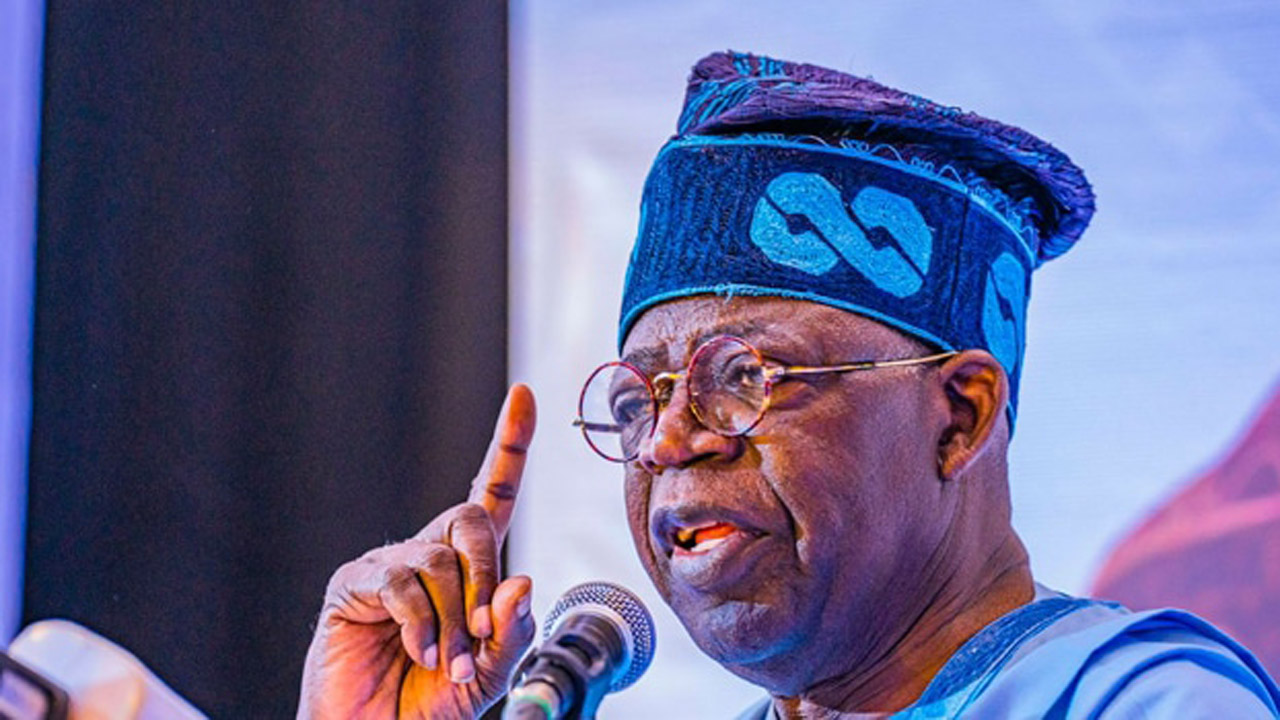
The intervention programme was established in July 2023 by President Bola Tinubu as part of measures to cushion the impact of petrol subsidy removal on states and citizens. Then Special Adviser to the President on Special Duties, Communications and Strategy, Dele Alake, explained that the Infrastructure Support Fund (ISF) would enable states to invest in transportation (including farm-to-market roads), agriculture (including livestock and ranching), health (basic healthcare), education (basic education), power, and water resources — all aimed at improving economic competitiveness, creating jobs, and delivering prosperity.
A portion of monthly distributable proceeds was saved to moderate the effects of increased revenues from subsidy removal and exchange rate unification on money supply, inflation, and the exchange rate. These savings complemented the ISF and other fiscal measures to ensure subsidy removal translated into tangible improvements in living standards.
The regular monthly transfers — typically N100 billion — reflect a structured strategy to provide consistent fiscal support to states. While inflows and outflows did not always align perfectly month-to-month, the programme maintained a steady flow of resources to beneficiaries.
The N2.45 trillion intervention underscores the government’s commitment to decentralised development and security enhancement at the subnational level. With states facing rising demands for infrastructure and security amid fiscal constraints, the disbursements are seen as a critical lifeline — though questions remain about project execution, transparency, and measurable impact on citizens’ lives.