The brewing conflict between Israel and Iran is sending shockwaves through global markets, and Nigeria, as a major oil-exporting nation, finds itself at a critical economic crossroads. With the potential for oil prices to surge to $130 per barrel, Nigeria could see a significant boost to its foreign reserves, potentially exceeding $40 billion. However, as a country reliant on imported refined fuel, the same price spike could push petrol costs above ₦1,000 per litre, exacerbating inflation and straining household budgets. This article explores the multifaceted economic implications of the Israel-Iran conflict for Nigeria, weighing the opportunities against the risks and examining the broader impact on trade, inflation, and financial markets.
Oil: A Potential Windfall with Strings Attached
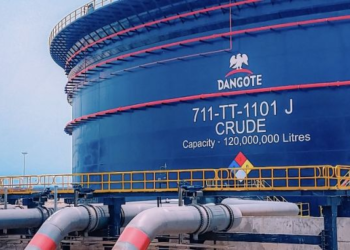
Nigeria’s economy is heavily dependent on crude oil, which accounts for a significant portion of its export revenue and government budget. The national budget for 2025 pegs oil prices at $75 per barrel, but the Israel-Iran conflict could disrupt Iran’s 3.5% share of global oil supply, potentially driving prices to $130 per barrel. For Nigeria, this represents a golden opportunity to bolster its foreign exchange reserves, which could surpass $40 billion. Such a windfall would reduce the country’s reliance on foreign borrowing, stabilize the Naira, and provide fiscal breathing room for infrastructure and social programs.
However, the optimism is tempered by structural challenges in Nigeria’s oil sector. The country’s production is capped at 1.4–1.5 million barrels per day due to OPEC quotas, aging infrastructure, and persistent issues like oil theft and vandalism. This limitation means Nigeria may not fully capitalize on the price surge, with potential revenue gains resembling a modest drizzle rather than the anticipated downpour. The metaphor of a “Ferrari with a flat tire” aptly describes Nigeria’s oil industry—brimming with potential but hampered by inefficiencies.
Moreover, Nigeria’s removal of fuel subsidies in recent years has made it vulnerable to global oil price fluctuations. As a net importer of refined petroleum products, the country faces the prospect of petrol prices soaring past ₦1,000 per litre. This would directly impact consumers, increasing transportation and food costs in a nation already grappling with high inflation. The ripple effects could erode purchasing power, particularly for low- and middle-income households, and exacerbate economic inequality.
Inflation: A Resurgent Threat
Inflation has been a persistent challenge for Nigeria, and the Israel-Iran conflict could reignite price pressures. Rising fuel costs would increase the cost of goods and services across the board, from agricultural products to manufactured goods. For a country where food and transport constitute a significant portion of household budgets, this could be devastating. Inflation, already a lurking threat, could “roar back with a vengeance,” as supply chain disruptions and higher energy costs drive up prices for essentials like rice, cooking oil, and spare parts.
The global context exacerbates these concerns. The conflict could disrupt key shipping routes in the Middle East, such as the Strait of Hormuz, through which a significant portion of global oil passes. Any blockade or disruption could lead to supply chain bottlenecks, increasing the cost of imported goods. Nigeria, heavily reliant on imports for everything from consumer goods to industrial inputs, could face a scenario akin to “Black Friday with empty shelves and tripled prices.” This would further strain small and medium-sized enterprises (SMEs), which are critical to Nigeria’s economic fabric but often lack the resilience to absorb cost shocks.
Financial Markets: A Rollercoaster Ride
The Israel-Iran conflict is also likely to unsettle global financial markets, with implications for Nigeria’s investment landscape. The Volatility Index (VIX), often referred to as Wall Street’s “panic meter,” is expected to spike as investors brace for uncertainty. Stocks and cryptocurrencies may experience sharp declines, reminiscent of the market turmoil during the Russia-Ukraine conflict. However, historical patterns suggest that recoveries could follow swiftly, depending on the conflict’s duration and resolution.
In Nigeria, the Nigerian Exchange Limited (NGX) has shown resilience in recent weeks, with a N513 billion gain in market capitalization despite a holiday-shortened trading week. However, a prolonged Middle East conflict could dampen investor sentiment, particularly in sectors sensitive to oil prices and inflation, such as banking and consumer goods. Conversely, safe-haven assets like gold are expected to remain bullish, potentially attracting Nigerian investors seeking stability amid global uncertainty.
The Central Bank of Nigeria (CBN) faces a delicate balancing act. Higher oil revenues could ease pressure on the Naira, but rising inflation may limit the CBN’s ability to pursue rate cuts, as global inflationary pressures discourage monetary easing. Policymakers will need to navigate these competing dynamics carefully to maintain economic stability.
Trade and Supply Chain Challenges
Nigeria’s import-dependent economy makes it particularly vulnerable to global trade disruptions. The Israel-Iran conflict could disrupt supply chains for critical goods, from food to machinery, driving up costs and exacerbating inflation. For instance, disruptions in Middle Eastern shipping routes could delay or increase the cost of importing refined petroleum products, further pushing up domestic fuel prices. Similarly, shortages of industrial inputs could hamper manufacturing, while higher food import costs could worsen food insecurity in rural and underserved areas.
The conflict’s impact on global trade could also affect Nigeria’s non-oil exports, such as agricultural products and minerals, which are gaining traction as part of the country’s diversification efforts. Any decline in global demand or increase in shipping costs could undermine these sectors, limiting their contribution to economic growth.
Policy Implications and the Road Ahead
The Israel-Iran conflict presents Nigeria with a high-stakes economic poker game. On one hand, higher oil prices offer a lifeline to bolster reserves and reduce external debt pressures. On the other, soaring fuel costs, inflation, and trade disruptions threaten to offset these gains, potentially plunging consumers into deeper financial hardship. Policymakers must act decisively to mitigate these risks while capitalizing on potential benefits.
Short-term measures could include targeted subsidies or social safety nets to cushion the impact of rising fuel and food prices on vulnerable populations. The government could also accelerate efforts to boost domestic refining capacity, such as supporting the Dangote Refinery’s ongoing initiatives, to reduce reliance on imported fuel. In the medium term, addressing structural bottlenecks in the oil sector—such as improving security to curb oil theft and upgrading infrastructure—could help Nigeria maximize its production potential.
The CBN and fiscal authorities will also need to monitor inflationary pressures closely, balancing the need for monetary stability with the imperative to support economic growth. Strengthening trade relationships with alternative partners, such as China, as evidenced by recent NGX and SEC engagements, could help diversify Nigeria’s economic dependencies and mitigate the impact of global disruptions.
A Delicate Economic Dance
The Israel-Iran conflict is a wild card that could reshape Nigeria’s economic trajectory. While higher oil prices offer a potential windfall, the risks of soaring fuel costs, resurgent inflation, and trade disruptions loom large. For ordinary Nigerians, the immediate impact will likely be felt at the pump and in the marketplace, where higher prices could strain already tight budgets. For policymakers, the challenge is to harness the benefits of an oil price surge while mitigating its downsides—a delicate dance requiring strategic foresight and decisive action.
As global markets brace for uncertainty, Nigeria’s economic tightrope has never been shakier. The coming months will test the resilience of its institutions and the ingenuity of its leaders. For now, Nigerians may want to heed the advice to “fill your tank before the prices do the talking,” as the nation navigates this complex and unpredictable economic landscape.