RateCaptain
  • Home
    • About Us
    • Contact Us
  • FX Rates
  • Money Market
  • Cryptocurrency
  • Commodities
  • Corporates
No Result
View All Result
Subscribe
  • Home
    • About Us
    • Contact Us
  • FX Rates
  • Money Market
  • Cryptocurrency
  • Commodities
  • Corporates
No Result
View All Result
RateCaptain
No Result
View All Result
Home Business

Manufacturers and Employers Warn N400 Billion Investments at Risk from Sachet Alcohol Ban

Victoria Attah by Victoria Attah
February 3, 2026
in Business
Reading Time: 2 mins read
A A
0
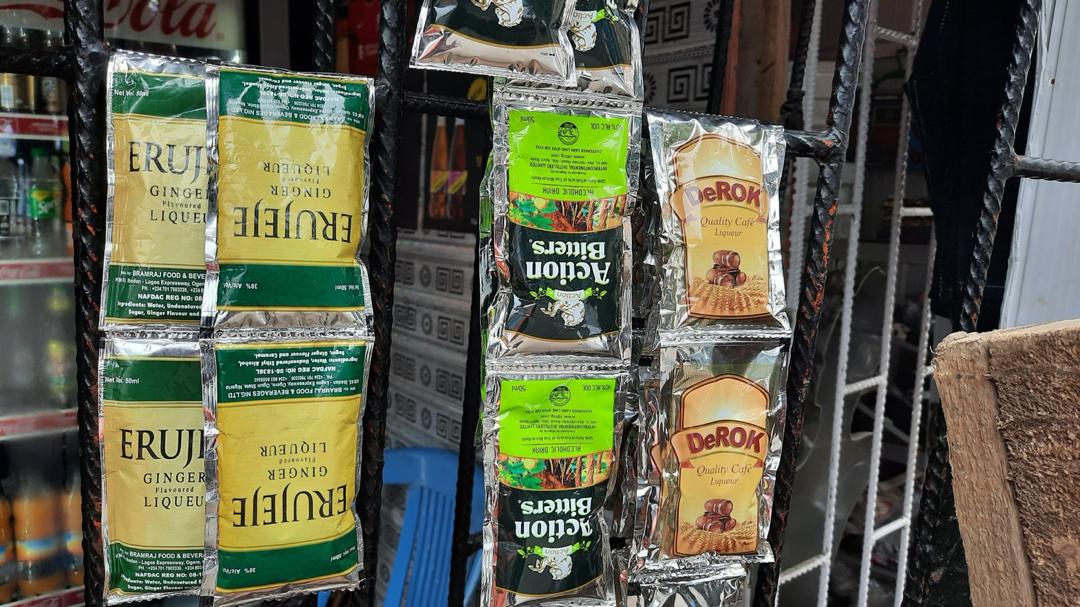
Manufacturers and Employers Warn N400 Billion Investments at Risk from Sachet Alcohol Ban
Share on FacebookShare on TwitterShare on WhatsappShare on Telegram

A renewed push by the National Agency for Food and Drug Administration and Control (NAFDAC) to ban the production and sale of alcoholic beverages in sachets and small PET bottles could destroy more than N400 billion in investments and threaten hundreds of thousands of jobs across Nigeria’s alcoholic beverages value chain, according to joint warnings from the Manufacturers Association of Nigeria (MAN) and the Nigeria Employers’ Consultative Association (NECA).

In a strongly worded article published on Monday, MAN Director-General Segun Ajayi-Kadir and NECA Director-General Adewale Oyerinde said the sector supports over 500,000 direct and indirect jobs — spanning manufacturing, quality control, distribution, logistics, packaging, retail, hospitality, and agriculture (including farmers supplying grains and other raw materials).

AlsoRead

NGX Gains N232 Billion in Market Capitalisation Despite Slower Trading Activity

Nigerian Companies Secure Over $2.5 Billion in World Bank Contracts, Rank Fifth Globally

PayPal Launches in Nigeria Through Paga Partnership, Enabling International Payment

They estimated that investments specifically tied to production lines, packaging technology, and logistics designed for sachet and small PET formats exceed N400 billion. The broader wines and spirits value chain generated more than N2 trillion in revenue in 2024 and contributes significantly to excise duties, VAT, and other tax receipts.

The two leaders stressed that both organisations fully support public health goals and measures to prevent underage drinking. However, they argued that banning sachet alcohol produced by registered and regulated companies will not solve alcohol abuse or protect minors.

“Such a ban will only open the floodgates for unregulated, smuggled, and unwholesome variants,” they wrote. “It will lead to job losses, loss of investment, loss of government revenues, value-chain disruption, and decimation of livelihoods.”

They criticised what they described as regulatory inconsistency. The Office of the Secretary to the Government of the Federation directed a suspension of the ban on December 15, 2025, to allow further stakeholder engagement, and the House of Representatives had earlier called for restraint following a public hearing. Proceeding despite these directives, they said, undermines confidence in Nigeria’s regulatory environment, discourages investment, and erodes trust between government, regulators, and the private sector.

The joint statement comes as NAFDAC intensifies enforcement actions, including factory inspections, product seizures, and compliance demands. MAN and NECA urged that any regulation must be evidence-based, proportionate, and coherent allowing time for consultation, transition support, and alternatives that address public health concerns without catastrophic economic fallout.

The alcoholic beverages industry remains one of Nigeria’s largest formal employers in the consumer goods space. A sudden ban on sachet and small-pack formats, they warned, risks pushing activity into informal and unregulated channels where tax collection, product safety, and worker protections are far weaker.

As the debate intensifies, attention is turning to whether the government will honour earlier suspension directives and pursue a balanced approach that protects public health while preserving jobs, investments, and revenue streams critical to Nigeria’s economy.

Previous Post

Naira Opens February Stronger at N1,384.5/$ in Official Market

Next Post

Naira Closes January at N1,386.55/$ in Official Market, Strongest Level in Nearly Two Years

Related News

Nigerian Stock Market Witnesses N35 Billion Dip in Market Cap as Key Stocks Decline

NGX Gains N232 Billion in Market Capitalisation Despite Slower Trading Activity

by Stephen Akudike
January 30, 2026
0

The Nigerian Exchange Limited (NGX) ended Thursday’s session on a positive note, with total market capitalisation increasing by N232 billion...

World Bank Emphasizes Cash Transfers to Break Poverty Cycle in Nigeria

Nigerian Companies Secure Over $2.5 Billion in World Bank Contracts, Rank Fifth Globally

by Victoria Attah
January 28, 2026
0

Nigerian firms have emerged as one of the top global beneficiaries of World Bank-financed projects, securing more than $2.5 billion...

PayPal Shares Dip by 7% as Quarterly Operating Margin Disappoints Investors

PayPal Launches in Nigeria Through Paga Partnership, Enabling International Payment

by Victoria Attah
January 28, 2026
0

After more than two decades of limited access, PayPal has officially entered the Nigerian market through a strategic partnership with...

Nigerian Equity Market Sees Impressive N1.08tn Wealth Gain Amidst Bullish Trading.

Nigerian Stock Market Extends Gains with N126 Billion Increase Despite Lower Volume

by Stephen Akudike
January 28, 2026
0

The Nigerian Exchange Limited (NGX) maintained its upward momentum on Tuesday, adding N125.65 billion to total market capitalisation and pushing...

Next Post
Nigeria Plans New FX Rules, Targeting 750 Naira Exchange Rate

Naira Closes January at N1,386.55/$ in Official Market, Strongest Level in Nearly Two Years

Leave a Reply Cancel reply

Your email address will not be published. Required fields are marked *

Recommended

Angola Surpasses Nigeria, Becomes Africa’s Largest Oil Producer in August

Naira Breaks Below N1,400 as Oil Rally and CBN Reforms Fuel Fresh Stability

February 5, 2026
Naira Surges Against US Dollar, Falls Below N1,000 Mark

Larger Disparities Boom Between Black Market and Official Rates

February 5, 2026

Popular Story

  • U.S. Steps In on Emefiele Trial, Alleges Human Rights Violations

    Emefiele’s Naira Redesign Memo Takes Centre Stage in EFCC Trial

    0 shares
    Share 0 Tweet 0
  • Naira Surges to N1,358.91/$ in Official Market, Strongest Level in Nearly Two Years

    0 shares
    Share 0 Tweet 0
  • Larger Disparities Boom Between Black Market and Official Rates

    0 shares
    Share 0 Tweet 0
  • Naira Breaks Below N1,400 as Oil Rally and CBN Reforms Fuel Fresh Stability

    0 shares
    Share 0 Tweet 0
  • Nestlé Nigeria Repays $20 Million Forex Debt Ahead of Schedule

    0 shares
    Share 0 Tweet 0
RateCaptain

RateCaptain

We bring you the most accurate in new and market data. Check our landing page for details.

  • Home
  • About Us
  • Privacy Policy
  • Terms & Conditions
  • Disclaimer
  • Cookie Policy
  • Contact Us

Copyright © 2022 RateCaptain - All rights reserved by RateCaptain.

No Result
View All Result
  • Home
    • About Us
    • Contact Us
  • FX Rates
  • Money Market
  • Cryptocurrency
  • Commodities
  • Corporates

Copyright © 2022 RateCaptain - All rights reserved by RateCaptain.

RateCaptain
Manage Cookie Consent
To provide the best experiences, we use technologies like cookies to store and/or access device information. Consenting to these technologies will allow us to process data such as browsing behavior or unique IDs on this site. Not consenting or withdrawing consent, may adversely affect certain features and functions.
Functional Always active
The technical storage or access is strictly necessary for the legitimate purpose of enabling the use of a specific service explicitly requested by the subscriber or user, or for the sole purpose of carrying out the transmission of a communication over an electronic communications network.
Preferences
The technical storage or access is necessary for the legitimate purpose of storing preferences that are not requested by the subscriber or user.
Statistics
The technical storage or access that is used exclusively for statistical purposes. The technical storage or access that is used exclusively for anonymous statistical purposes. Without a subpoena, voluntary compliance on the part of your Internet Service Provider, or additional records from a third party, information stored or retrieved for this purpose alone cannot usually be used to identify you.
Marketing
The technical storage or access is required to create user profiles to send advertising, or to track the user on a website or across several websites for similar marketing purposes.
  • Manage options
  • Manage services
  • Manage {vendor_count} vendors
  • Read more about these purposes
View preferences
  • {title}
  • {title}
  • {title}
?>