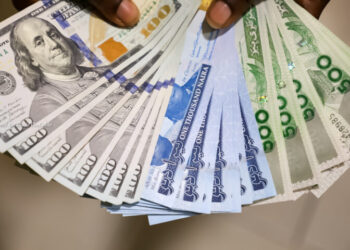
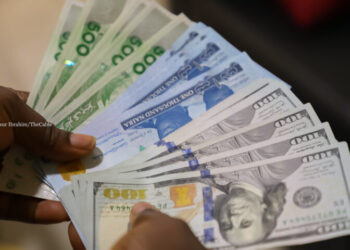
The Nigerian naira posted a notable appreciation in the official foreign exchange window on Tuesday, February 17, 2026, closing at N1,337 per US dollar, according to Central Bank of Nigeria (CBN) data published the following day.
This marked a strengthening from N1,344 per dollar the previous session and represented the currency’s firmest official closing level since late May 2024, when it traded at N1,329.65. The gain reflects a continuation of the naira’s recent recovery trend, supported by enhanced dollar availability and more stable market conditions.
In the parallel (black) market, the naira also advanced, trading around N1,382.50 per dollar compared to N1,393.35 a day earlier, further narrowing the gap between official and informal rates.
The uptick in both segments points to improved foreign exchange supply dynamics, reduced speculative pressure, and positive repositioning by market participants. Analysts link the momentum to ongoing Central Bank interventions aimed at fostering price discovery and liquidity in the Nigerian Autonomous Foreign Exchange Market (NAFEM).
Global factors contributed to the favorable sentiment for emerging market currencies, including the naira. Diplomatic engagements between the United States and Iran advanced in Geneva, with Iranian Foreign Minister Abbas Araghchi reporting “good progress” and agreement on guiding principles for nuclear discussions mediated by Oman. These indirect talks, amid U.S. warnings of military options if diplomacy falters, have eased some geopolitical risk premiums that previously weighed on global markets.
Parallel progress in U.S.-brokered negotiations involving Ukraine and Russia entered a second day in Geneva on February 18, 2026, focusing on territorial, military, and security issues. While no major breakthroughs were reported, the continuation of talks has bolstered broader risk appetite and supported steadier flows into higher-yielding assets in developing economies.
The U.S. dollar index remained relatively stable following recent movements, as investors awaited Federal Reserve policy signals, including upcoming FOMC minutes and U.S. economic data releases that could influence expectations for interest rate adjustments.
Domestically, the CBN’s monetary stance continues to underpin FX stability. Governor Olayemi Cardoso recently emphasized Nigeria’s leadership in promoting Africa’s single currency initiative. The bank’s Monetary Policy Committee (MPC) is scheduled to convene its 304th meeting on February 23-24, 2026, following its November 2025 decision to hold the Monetary Policy Rate (MPR) at 27%. That followed a 50 basis point cut in September 2025 from 27.5% and a narrowing of the asymmetric corridor to +250/-250 basis points.
The combination of domestic policy consistency, better FX liquidity, and a more constructive global backdrop has fueled optimism for sustained naira resilience in the short term. Market watchers will monitor upcoming MPC outcomes and international developments for further direction on the currency’s trajectory.