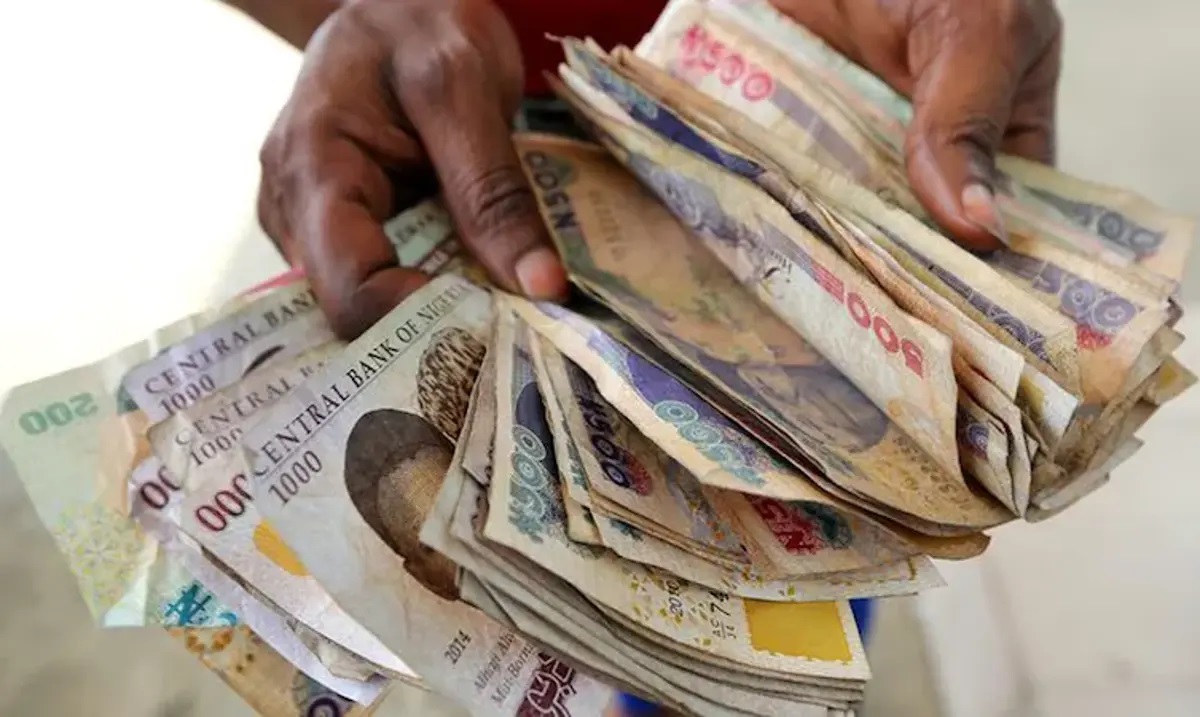
The naira has seen improved stability in recent weeks, driven by increased dollar supply from oil companies and a halt in the diversion of diaspora remittances by International Money Transfer Operators (IMTOs), according to licensed forex traders. These developments, coupled with reduced speculation and hoarding, have bolstered confidence in Nigeria’s foreign exchange market.
Aminu Gwadebe, President of the Association of Bureau De Change Operators of Nigeria (ABCON), told Nairametrics that IMTOs, previously criticized for diverting remittances to unofficial channels like fintechs and unlicensed firms, are now channeling funds into the official market due to diminished profit margins. “The gap between official and parallel market rates has narrowed, sometimes with the parallel market offering lower rates, discouraging speculative activities,” Gwadebe said. He attributed the naira’s stability to robust oil proceeds, rising diaspora remittances—estimated at $21 billion annually by the World Bank—and growing foreign investor confidence.
The Central Bank of Nigeria (CBN) has played a pivotal role through reforms, including January 2024 guidelines that barred fintechs from obtaining IMTO licenses and introduced market-driven exchange rates. These rules expanded IMTO services to include business-to-business and business-to-person transactions, enhancing liquidity. Gwadebe noted that the “willing buyer, willing seller” model has reduced incentives for diversion, as parallel market premiums have largely vanished.
However, BDC operator Abu Ardo expressed skepticism, suggesting some IMTOs may still divert funds to parallel markets offering higher rates. He credited the naira’s performance to the CBN’s active interventions, increased dollar sales by oil companies, and government inflows, but warned that sustaining stability hinges on consistent supply and disciplined demand management. “If oil revenues or remittances falter, pressure on the naira could return,” Ardo said.
The reforms follow calls from ABCON in October 2023 for BDCs to access diaspora remittances and conduct online dollar operations to boost liquidity. With Nigeria’s forex market showing resilience, driven by an estimated $600 million in monthly remittances and stronger oil earnings, analysts remain cautiously optimistic. Continued policy consistency and supply management will be critical to maintaining the naira’s gains amid global economic uncertainties.