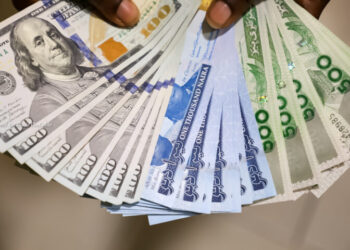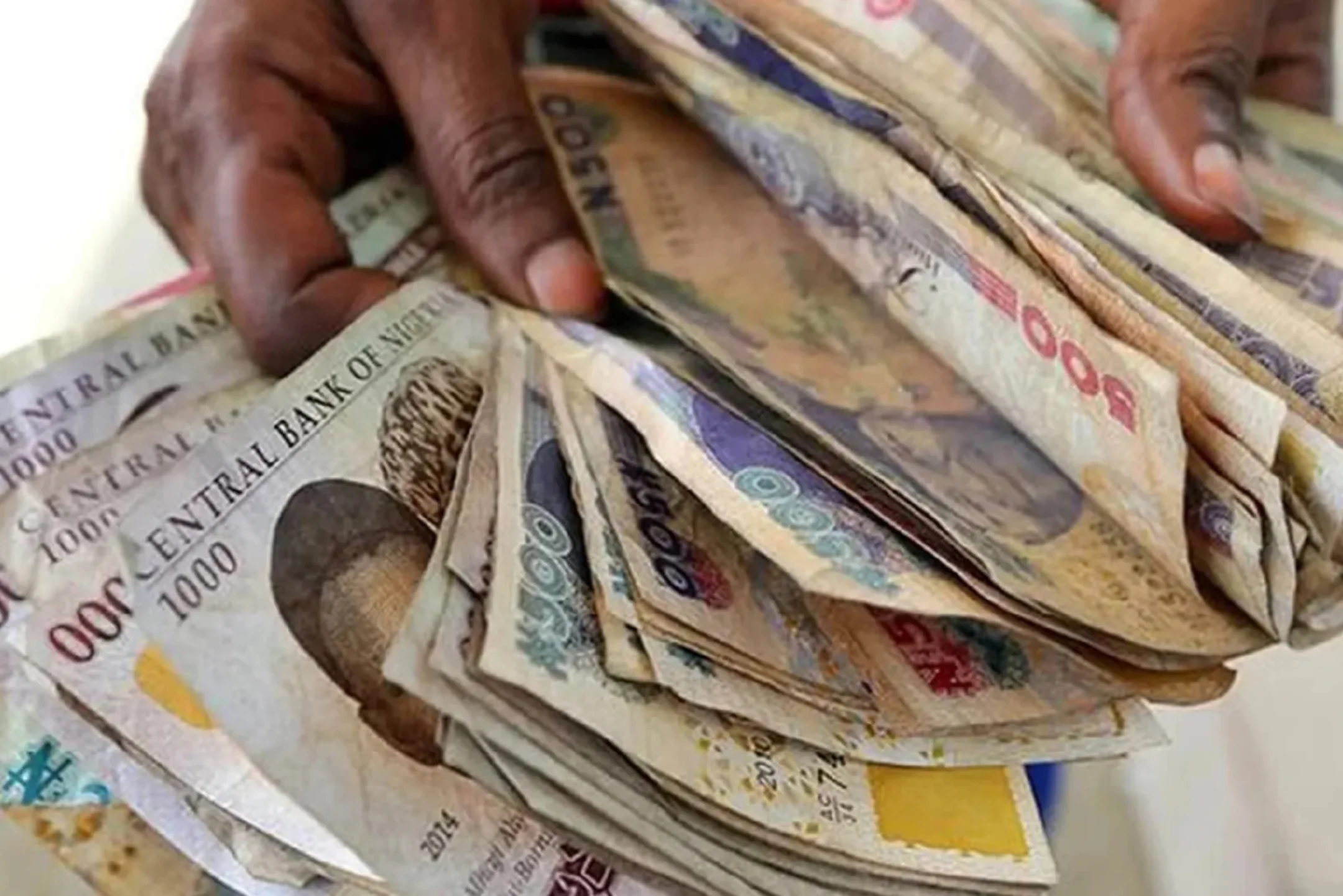
The Nigerian naira maintained relative stability in early March 2026, trading close to the N1,400 per US dollar level in the parallel market, even as escalating geopolitical tensions in the Middle East kept investors on edge and prompted cautious dollar demand.
Market participants expect the naira to fluctuate between N1,350 and N1,400 by the end of the week, with potential downside pressure toward N1,450 should the Israeli-Iran conflict intensify further. Conversely, naira bulls see a path back toward N1,300 if domestic oil production exceeds 1.6 million barrels per day in the medium term, supported by sustained Central Bank of Nigeria (CBN) interventions.
The CBN’s growing firepower remains the primary anchor for the currency. External reserves climbed to a 13-year high of $50.45 billion in February 2026, providing roughly 10 months of import cover and enabling more effective liquidity management in the foreign exchange market. Year-to-date, the naira has appreciated by approximately 7–9%, reflecting improved confidence and reduced volatility compared to previous years.
Recent monetary policy signals further bolster the outlook. In February 2026, the CBN reduced the Monetary Policy Rate (MPR) from 27% to 26.5%, marking the first rate cut in the current cycle and signalling confidence in the disinflation trend and overall economic stability. Analysts project GDP growth of 4.3–4.7% for 2026, underpinned by structural reforms and emerging domestic refining capacity.
The Dangote Petroleum Refinery, now ramping up toward its full 1.4 million barrels per day capacity, is expected to significantly reduce Nigeria’s reliance on imported petrol, easing pressure on foreign exchange demand for fuel imports. Additionally, the introduction of new crude grades—Utapate, Obodo, and Cawthorne—by the Nigerian National Petroleum Company Limited (NNPC) has helped narrow the gap toward Nigeria’s OPEC quota of 1.84 million barrels per day, boosting dollar inflows.
Geopolitical developments in the Middle East present a dual-edged impact. Brent crude rose around 10% to approximately $75 per barrel following recent coordinated US-Israeli strikes on Iranian targets, including air defence systems, naval infrastructure, and Revolutionary Guard facilities. The reported death of Iran’s Supreme Leader Ayatollah Ali Khamenei and subsequent Iranian retaliatory attacks on US assets across the region have heightened global risk aversion.
Higher oil prices benefit Nigeria by increasing export revenues and foreign reserves—well above the 2026 budget benchmark of $64.85 per barrel—providing additional buffer for naira defence. However, the same tensions drive capital flight from frontier markets like Nigeria toward safe-haven assets such as the US dollar, US Treasuries, and gold, potentially offsetting some of the oil revenue gains.
The US Dollar Index (DXY) eased to 97.90 in Asian trading on Monday after touching five-week highs, though renewed Middle East uncertainty could cap any further dollar weakness.
Despite challenges such as oil theft and ageing production infrastructure, Nigeria’s improved reserve position, policy pivot, and emerging domestic refining capacity position the naira for continued resilience in the near term—provided geopolitical risks do not spiral into a broader disruption of global energy markets.