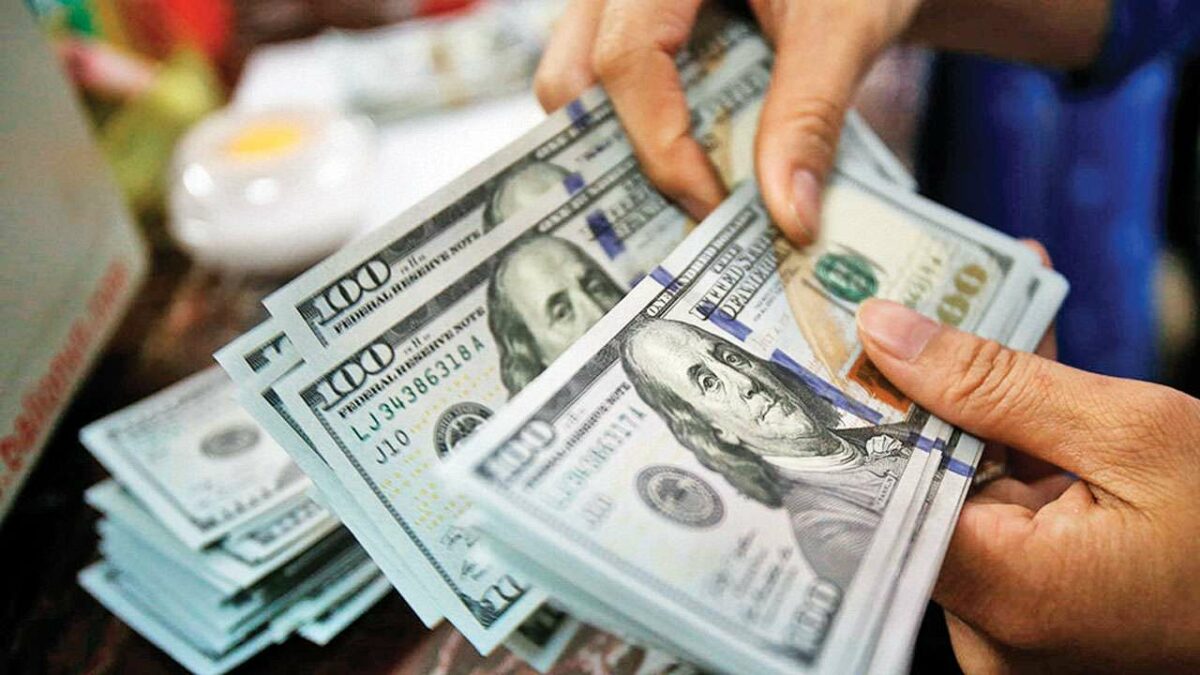
The Nigerian naira kicked off February 2026 on a firm note, appreciating to N1,384.5 per US dollar in the official foreign exchange market on the first trading day of the month, according to data published by the Central Bank of Nigeria (CBN).
The closing rate marked a clear improvement from N1,391/$ at the end of January, continuing the currency’s recent upward momentum and placing it at its strongest level in the official window since mid-2024.
The gain reflects improved FX liquidity conditions, steady external reserve accretion, and a narrowing premium between the official and parallel markets. In the informal (parallel) segment, the naira traded around N1,453/$ on the opening day, reducing the gap with the official rate to N68.5 — down from N96 earlier in January.
Year-on-year, the naira’s position is significantly stronger than February 1, 2025, when it opened around N1,500/$ in the official market and as weak as N1,620/$ in the parallel segment, creating a much wider disparity of over N100.
The current alignment suggests better price discovery and reduced arbitrage pressure in the FX system, supported by:
– Rising external reserves, which stood at $46.18 billion as of late January — crossing the $46 billion mark for the first time in nearly eight years
– Consistent dollar inflows from oil exports, diaspora remittances, and portfolio investments
– Ongoing CBN reforms, including enhanced transparency and liquidity management measures
Stronger reserves provide the central bank with greater capacity to intervene during periods of volatility and help anchor market confidence. The narrower official-parallel gap also eases cost pressures for businesses and households that rely on informal channels for FX needs.
While the opening performance is encouraging, analysts caution that sustainability will depend on continued inflows, global oil price stability, and avoidance of external shocks. Demand pressures from corporate obligations, seasonal FX needs, and potential election-related spending could test the naira’s resilience in the weeks ahead.
For importers, manufacturers, and ordinary citizens, the stronger official rate offers modest relief on import costs and helps contain imported inflation. The CBN continues to monitor developments closely, with the current levels reinforcing optimism that the naira can maintain stability into the new month.
As February begins, the naira’s firm start signals cautious progress in FX market alignment — a welcome contrast to the volatility that characterised the same period a year ago.