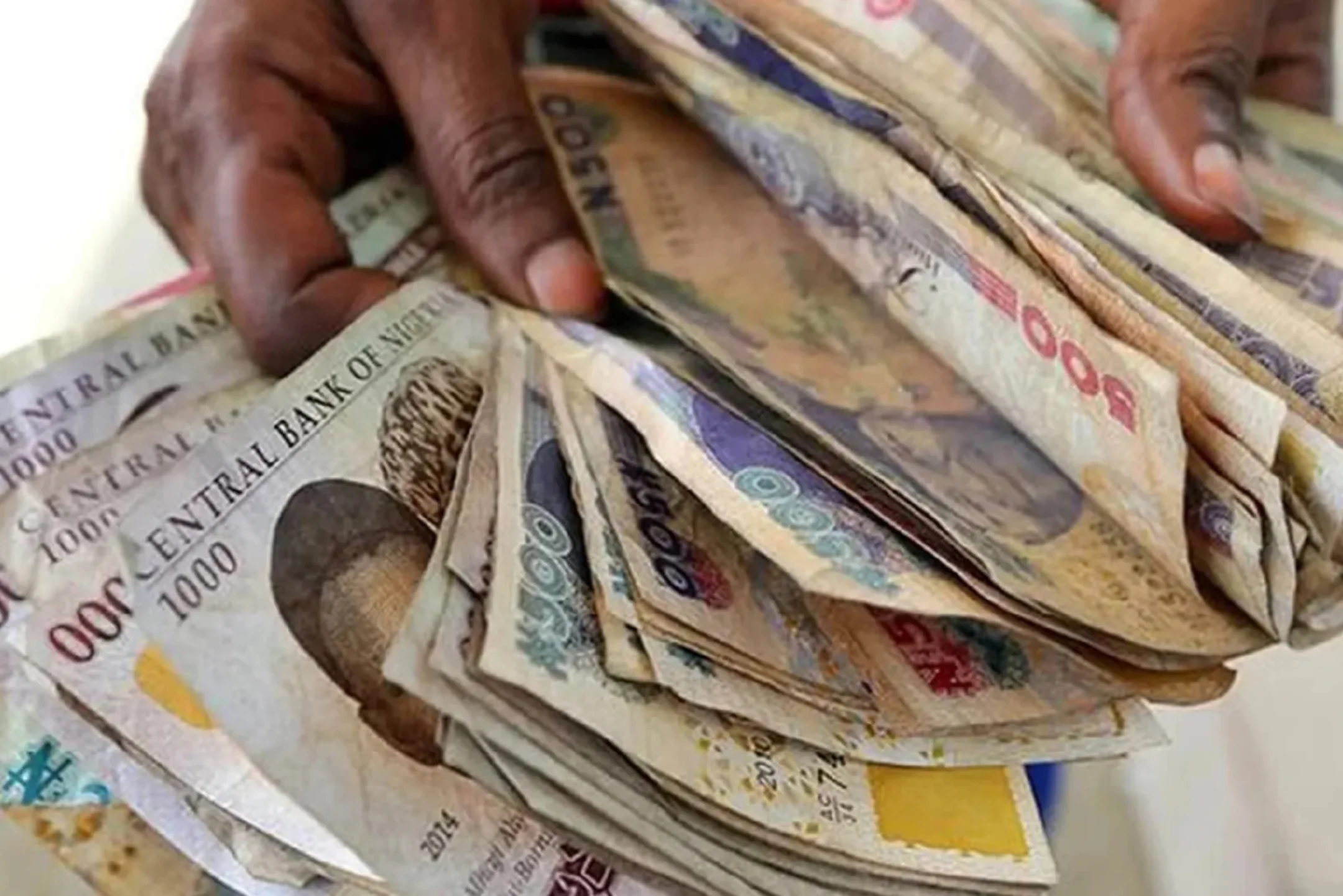
Nigeria’s naira has staged a remarkable recovery, gaining 15.28% to reach N1,525 per dollar by August 2025, up from a low of N1,800 in March 2024, according to Tanimu Yakubu, Director-General of the Budget Office of the Federation. Speaking on August 30, 2025, Yakubu attributed this rebound to increased oil receipts, robust diaspora remittances, and the clearance of over N4 billion in foreign exchange (FX) backlogs, as part of President Bola Tinubu’s reforms.
Yakubu explained that scrapping multiple exchange rate windows in 2024, which initially caused the naira’s sharp decline, was a deliberate “recalibration” to create a transparent, unified FX market. This boosted investor confidence and enhanced trade flows, making Nigerian exports like cocoa and sesame more competitive globally. Non-oil exports rose from $2.696 billion in H1 2024 to $3.225 billion in H1 2025, with volumes increasing from 3.83 million to 4.04 million metric tonnes, reflecting stronger demand.
The reforms have triggered a “virtuous cycle,” Yakubu noted, where a realistic naira exchange rate drives exports, which in turn strengthens the currency through higher inflows. The Central Bank of Nigeria’s clearance of a $1.5 billion valid FX backlog in March 2024, alongside $600 million monthly diaspora remittances (up 200% in two months), further supported this recovery. A Deloitte audit revealed $2.4 billion of a reported $7 billion backlog was invalid, streamlining fiscal management.
Despite challenges like naira volatility (N1,560/$1 in the parallel market) and 21.88% inflation in July, Nigeria’s economic gains, including a 67.12% surge in capital importation to $5.64 billion in Q1 2025, underscore the reforms’ impact. Yakubu emphasized that sustaining these policies could transform the naira into an engine of global competitiveness, driving trade and investment.