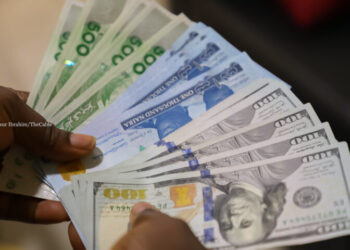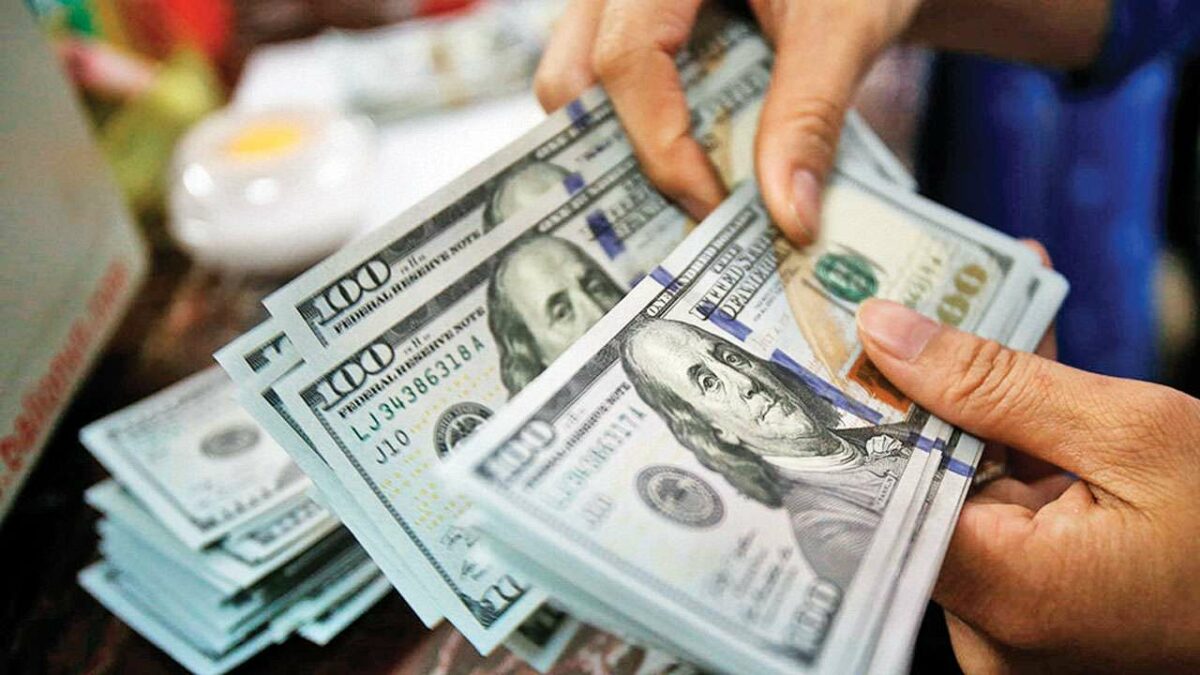
Naira staged a notable comeback in February 2026, strengthening by approximately 4.13% against the US dollar despite efforts by the Central Bank of Nigeria (CBN) to temper the pace of its gains.
Data from market sources, including the Financial Markets Dealers Association, indicate that the currency posted solid improvements in both the official Nigerian Autonomous Foreign Exchange Market (NAFEM) and the parallel (black) market. This marked a welcome reversal from the prolonged periods of sharp fluctuations that had characterized much of the previous year, bringing a measure of relief to businesses, importers, and everyday Nigerians.
The CBN, under Governor Olayemi Cardoso, stepped in toward the end of the month with dollar purchases aimed at soaking up some excess liquidity. Officials described the moves as prudent steps to avoid an excessively swift appreciation, which could unsettle foreign investors who had poured money into high-yield local fixed-income assets when the naira was languishing around N1,400–N1,500 per dollar. A too-rapid rebound might trigger unwinding of those “carry trades” and disrupt carefully calibrated fiscal planning.
Even so, the naira held firm overall. It closed the month stronger month-on-month in the official window, with reports pointing to an end-of-February rate around N1,368.5 per dollar better than the roughly N1,384.5 level at the start. The parallel market showed similar resilience, though minor daily dips occurred; for instance, one late-month session saw the official rate ease by about N6 to N1,384.29, while the street rate slipped slightly to N1,380.
Several supportive factors underpinned this performance. Global **crude oil** prices have trended upward, approaching and occasionally breaching the $80-per-barrel mark, boosted in part by escalating geopolitical strains in the Middle East involving the United States and **Iran**. For an oil-dependent exporter like Nigeria, firmer prices translate into healthier export revenues and steadier dollar inflows critical fuel for currency stability. However, analysts caution that sharply higher oil could also feed domestic inflation, creating a tricky trade-off for policymakers.
Adding to the positive momentum, Nigeria’s external reserves have strengthened considerably. Gross reserves climbed toward $50 billion by mid-to-late February, while net external reserves reached $34.80 billion by the close of 2025 a dramatic 772% jump from just $3.99 billion at the end of 2023. Governor Cardoso highlighted these gains as evidence of improved inflows, better reserve management, and growing credibility in monetary policy.
While the February rally signals renewed confidence in Nigeria’s forex outlook, the path ahead remains nuanced. A controlled strengthening can shore up investor sentiment and macroeconomic fundamentals, yet unchecked momentum risks complicating trade balances and export competitiveness. The CBN appears intent on steering a middle course allowing gradual appreciation while guarding against volatility.
Market observers will be watching closely to see how ongoing global energy dynamics, domestic reforms, and central bank interventions shape the naira’s trajectory in the coming months. For now, February’s performance stands as a encouraging sign that targeted policies and favorable external tailwinds are beginning to yield tangible results.