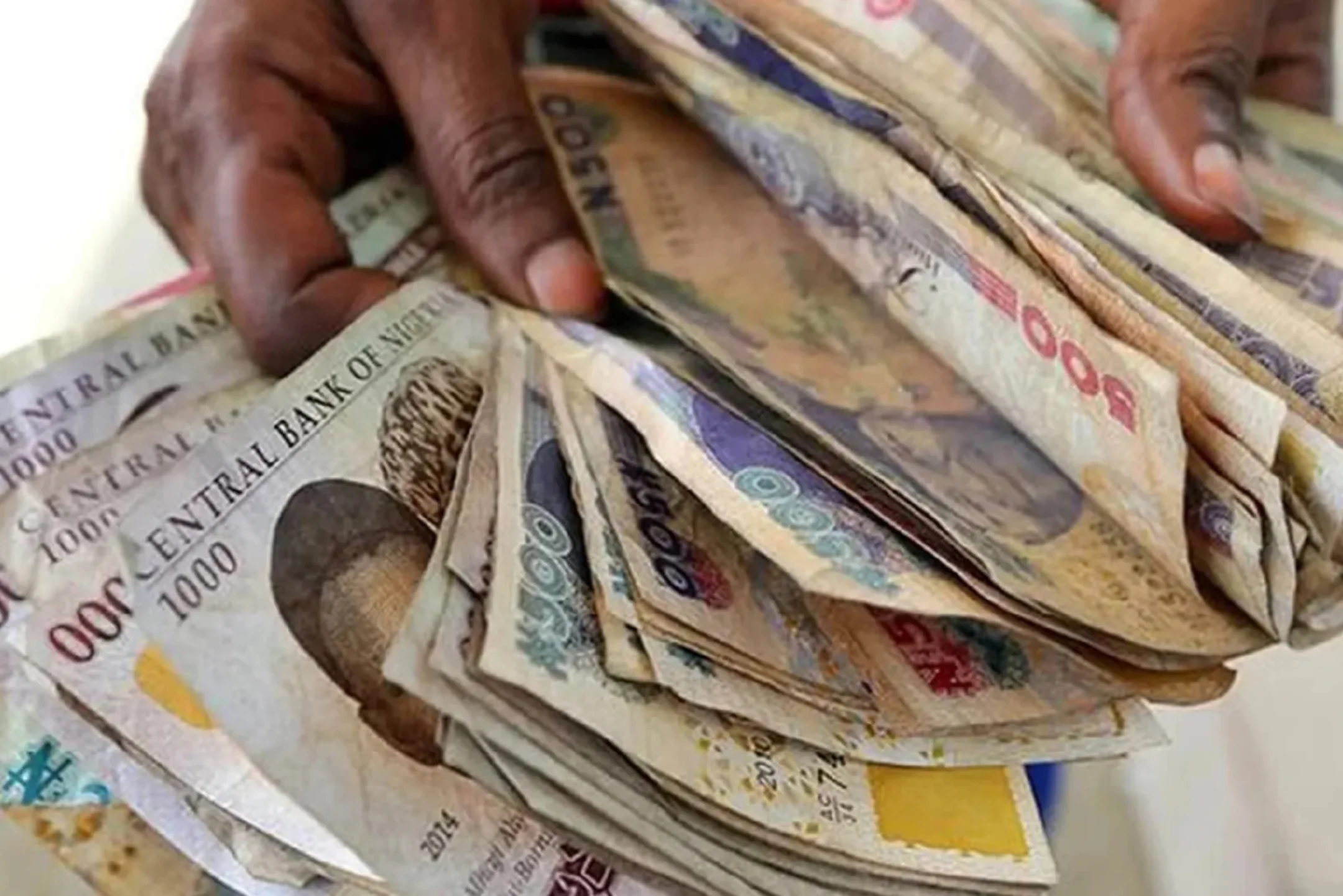
After a promising run that briefly pushed the naira toward levels below N1,300 just weeks ago, the currency has reversed course, closing near N1,400 (and dipping as low as N1,425 in recent sessions) in the official market. What looked like a steady march toward “fair value” has given way to a more familiar range one that some observers now see as intentional rather than accidental.
The pullback came swiftly. Optimism peaked in late February when the naira strengthened to around N1,337, sparking talk among analysts and traders that the currency was finally finding its footing after years of turbulence. But by early March, those gains evaporated amid renewed dollar demand and liquidity squeezes. The slide also aligned with the Central Bank of Nigeria’s (CBN) recent 50-basis-point cut in the benchmark interest rate, a move justified by robust reserves (around $50 billion) and perceived forex stability.
Yet the market’s reaction suggests policymakers may be more comfortable with a naira that’s neither too strong nor too fragile. A rapid appreciation could backfire in several ways. For one, it risks prompting foreign portfolio investors who were lured in by high yields when the currency was weaker to cash out early with quick profits, shortening the stay of valuable capital inflows the CBN relies on for liquidity.
Government finances tell a similar story. With oil revenues earned in dollars, a weaker naira translates to bigger naira-denominated inflows for the federal budget critical at a time when spending pressures remain high. At the same time, overly cheap oil receipts in local terms could strain fiscal balances if not managed carefully.
Non-oil exports add another layer. Nigeria has made gradual progress in boosting earnings from agriculture, manufacturing, and services, and a competitive exchange rate helps keep those goods affordable abroad. Exporters quietly benefit from the current levels, supporting the broader push for economic diversification and steadier reserve build-up.
The CBN has shifted away from aggressive defense of any particular rate toward a more flexible regime. Interventions now aim to curb extreme swings rather than pin the naira to a fixed target buying dollars during sharp rallies to bolster reserves, selling during excessive weakness to restore calm. This approach avoids burning through hard-earned forex buffers unnecessarily.
External headwinds play their part too. Geopolitical flare-ups in the Middle East have kept global oil prices elevated, while a stronger US dollar and cautious investor mood toward emerging markets add pressure on currencies like the naira. If inflation ticks higher again, the balancing act grows even trickier.
For now, the naira hovering around N1,400 appears to strike a pragmatic equilibrium: supportive of fiscal inflows and export competitiveness, while still drawing in foreign interest without inviting quick exits. Whether this range holds depends on sustained inflows, oil dynamics, and the CBN’s steady hand but the recent reversal serves as a reminder that in forex markets, yesterday’s consensus can become tomorrow’s cautionary tale.