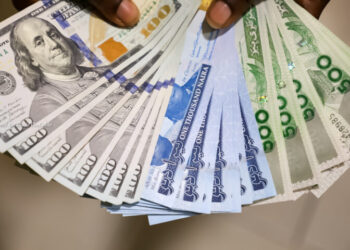
The naira took another quiet tumble yesterday in the black market, weakening to N1,485 per dollar from N1,475 the day before a sudden N10 drop in less than 24 hours.
Bureau de change operators in Lagos and Abuja confirmed the usual hotspots confirmed the new rate this morning, with many saying demand for dollars spiked overnight from travellers, parents paying school fees abroad, and importers trying to beat the festive rush.
Meanwhile, the official Nigerian Autonomous Foreign Exchange Market (NAFEM) window, where the Central Bank and authorised banks trade, stayed calm at around N1,454 to the dollar – creating a fresh N31 gap between the street rate and the regulated rate.
Currency traders say the parallel market has been jittery all week. “Since Monday, people have been rushing dollars for Christmas travel and end-of-year imports,” one BDC operator in Allen Avenue told reporters. “Supply is tight because the usual big players are holding back, waiting to see where the rate will land before the holidays.”
The latest slip wipes out most of the small gains the naira had clawed back in late November, when the parallel rate briefly dipped below N1,470.
Analysts say seasonal dollar demand is the main driver right now, but low foreign-exchange inflows and persistent uncertainty around next year’s budget are keeping traders on edge.
For ordinary Nigerians, the message is familiar: every N10 drop in the streets means imported rice, fuel, phone credit and even second-hand clothes from Cotonou will cost a little more this Detty December.
The Central Bank has not commented on the latest movement, but sources say officials are watching closely and could release more dollars into the market if the gap widens too far.