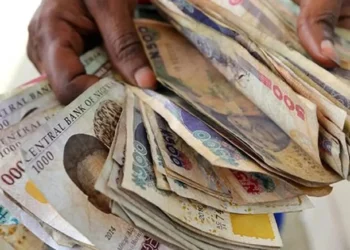
The Nigerian Naira is poised for a potential bullish breakout this week, with analysts forecasting it could firm beyond the N1,445 per dollar mark. This optimism is primarily driven by widespread market expectations that the U.S. Federal Reserve will implement an interest rate cut at its policy meeting this month.
The local currency showed relative stability in the official market last week, closing with a marginal net depreciation of approximately 0.2 percent to end at about N1,449/$. Despite strong demand pressures in the parallel market, financial experts project the Naira will break through the N1,446 resistance level in the days ahead.
This forecast aligns with broader late-2025 trends, supported by anticipated foreign capital inflows. A dovish shift by the Fed, which lowered rates by 25 basis points to 4.00% in September, typically weakens the US dollar as yield-seeking investors pivot towards higher-yielding emerging market assets. Nigeria, with its elevated interest rates, stands to attract such inflows, bolstering demand for the Naira.
“The Naira’s outlook is tied to global monetary policy. A Fed rate cut reduces the dollar’s appeal and can channel portfolio investments into markets like Nigeria, supporting currency stability,” noted one market analyst. This dynamic has already contributed to the Naira’s appreciation of roughly 5.7% against the dollar year-to-date.
Supporting this outlook, the US Dollar Index (DXY), which measures the dollar against a basket of major currencies, began the week trading lower at 98.9. The decline follows increasing market conviction of a December rate cut, now priced at nearly 90% probability according to the CME FedWatch Tool, up from 71% last week.
Major financial institutions, including Morgan Stanley, JPMorgan, and Bank of America Global Research, have revised their forecasts and now anticipate a quarter-percentage point cut from the Fed this month.
A softer dollar environment provides multiple benefits for Nigeria: it eases the cost of servicing dollar-denominated debt, potentially boosts oil revenues by supporting crude prices, and grants the Central Bank of Nigeria (CBN) greater flexibility in its own monetary policy. This supportive backdrop contributed to Nigeria’s first interest rate cut in five years in late 2025.
All eyes are now on the upcoming Fed meeting and Chair Jerome Powell’s press conference for confirmation of the policy shift and forward guidance, which will significantly influence short-term currency movements.