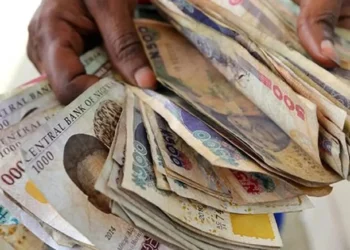
The Nigerian naira depreciated to N1,389 per US dollar on Tuesday, March 31, 2026, amid a noticeable decline in the country’s external reserves over the past three weeks.
According to data from the Central Bank of Nigeria (CBN), external reserves fell from $50.03 billion on March 11 to $49.18 billion as of April 2, 2026 a drop of approximately $850 million. This reversal comes after the reserves had reached a 13-year high of $50.45 billion in February, supported by policy reforms and improved foreign exchange management.
During Tuesday’s trading session, the naira fluctuated between N1,381 and N1,390 per dollar in the official market, with the average rate settling at N1,386.30. Interbank turnover stood at $48.66 million across 71 deals.
The simultaneous weakening of the naira and the decline in reserves have raised concerns among market participants about the sustainability of recent gains in Nigeria’s external position. Analysts point to sustained foreign exchange interventions by the CBN, capital flow volatility, and possible election-related spending as contributing factors.
On the global front, the US dollar weakened broadly following a ceasefire announcement between the US and Iran, which helped ease some geopolitical tensions. This boosted other major currencies, with the Japanese yen, euro, and British pound all gaining ground against the greenback. The US Dollar Index fell to its lowest level since mid-March.
The broader economic context includes OPEC+’s decision to raise its oil production quota for May 2026 as the group seeks to regain market share. For Nigeria, however, the combination of falling reserves and naira pressure highlights emerging strains on the external sector, even as higher global oil prices offer some potential support.
Market observers will be closely watching the CBN’s next policy moves and foreign exchange interventions for signals on how authorities intend to manage liquidity and stabilise the currency in the coming weeks.