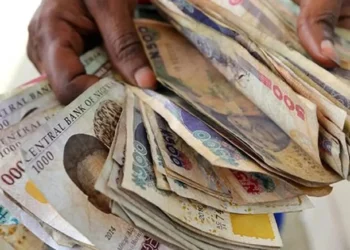
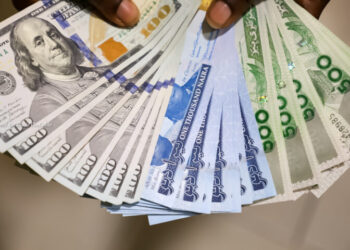
The naira depreciated to N1,560/$1 in the parallel market by mid-August 2025, down from N1,540/$1 at July’s end, widening the gap with the official rate of N1,532.51/$1, according to black. Currency traders attribute the slide to increased demand from government contractor payments, weak dollar supply, and diversion of diaspora remittances, exacerbating volatility in Nigeria’s foreign exchange (FX) market.
A senior official from the Association of Bureau De Change Operators of Nigeria (ABCON), speaking anonymously, highlighted that contractor payments fuel dollar demand as recipients swiftly convert naira proceeds. “Speculation and hoarding are rife; many don’t see the naira as a store of value,” he noted, pointing to arbitrage opportunities and diversions via informal channels like WhatsApp trades, where dollars are exchanged abroad without entering Nigeria. Inflation, nearing 30%, further erodes naira confidence, driving conversions to dollars.
Despite earlier stability, with the naira holding steady at N1,520–N1,537/$1 for eight weeks through early August, recent pressures reversed gains. The Central Bank of Nigeria (CBN) has bolstered reserves to over $39 billion and implemented reforms, including $4.1 billion in H1 2025 FX interventions, contributing to a 67.12% surge in capital importation to $5.64 billion in Q1 2025. However, a temporary supply disruption during a three-day mourning period for late President Muhammadu Buhari in Abuja added strain.
Aminu Ardo, another BDC operator, expressed cautious optimism, citing reduced panic buying and increased CBN dollar releases. “Foreign inflows, including remittances and portfolio investments, are stabilizing the market,” he said, though he warned that sustained supply is critical to prevent further naira declines. The CBN’s crackdown on speculators and enhanced fiscal buffers have supported stability, but ongoing challenges like crude oil price fluctuations and remittance diversions threaten progress.