Nigeria and the United Arab Emirates have signed a Comprehensive Economic Partnership Agreement (CEPA) that removes tariffs on thousands of goods traded between the two countries, creating new opportunities for businesses, job creation, and economic diversification.
The agreement was finalised during the Abu Dhabi Sustainability Week (January 11–15, 2026) and was described as a “game changer” by Rep. Sam Onuigbo, a member of the Governing Board of the North East Development Commission and former Chairman of the House Committee on Climate Change.
Under the CEPA, the UAE will immediately eliminate tariffs on 2,805 Nigerian products (38.3% of covered items), with the remaining 7,315 products phased out over three to five years. The tariff-free list covers a wide range of agricultural and industrial goods, giving Nigerian exporters preferential access to the UAE market.
In return, Nigeria has removed tariffs on 6,243 UAE products, fostering reciprocal benefits and encouraging greater bilateral investment and trade.
Rep. Onuigbo, who represented Ikwuano/Umuahia North and South Federal Constituency in the 8th National Assembly, said the deal would enable Nigerian business owners with verifiable operations to establish offices in the UAE, work there for up to three months, and return without visa hurdles.
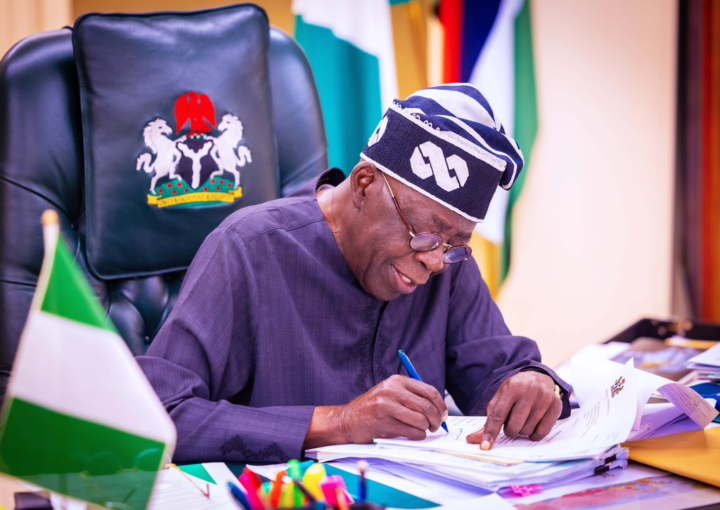
He praised President Bola Tinubu for securing the agreement, describing it as a deliberate step to reposition Nigeria, create jobs, and build an enabling environment for economic growth in 2026.
The CEPA also aligns with Nigeria’s broader economic and environmental goals. Onuigbo highlighted the country’s ongoing efforts to address its energy deficit through the Energy Transition Plan, the Climate Change Act, and the Electricity Act (signed just eight days after President Tinubu took office in 2023). He noted that reliable power remains essential for industrialisation, and stronger trade ties with the UAE — a global leader in energy transition and sustainable development — will help advance these objectives.
The agreement is expected to boost non-oil exports, attract UAE investment into Nigerian agriculture, manufacturing, and infrastructure, and deepen collaboration on climate-related initiatives. Nigeria’s participation in Abu Dhabi Sustainability Week also provided a platform to unveil its carbon market framework policy, further strengthening ties in green growth areas.
As one of the most significant bilateral trade pacts Nigeria has signed in recent years, the Nigeria–UAE CEPA signals Abuja’s determination to expand market access, reduce trade barriers, and integrate more deeply into global value chains. For businesses and exporters, the tariff eliminations offer immediate cost advantages and long-term predictability in one of the world’s most dynamic markets.
Implementation details, including timelines for phased tariff reductions and rules of origin, are expected to be finalised in the coming months. The deal takes effect following ratification by both countries’ authorities.