Driven by a series of economic reforms, Nigeria attracted nearly $14 billion in foreign investment in the first nine months of 2025, signaling a major resurgence in global investor confidence, according to data released this week by the Federal Ministry of Industry, Trade, and Investment.
The combined total of Foreign Portfolio Investment (FPI) and Foreign Direct Investment (FDI) from January to September has already surpassed the full-year total for 2024. The surge was led by FPI, which reached $12.99 billion. FDI, while starting from a lower base, demonstrated dramatic growth with a 700% quarter-on-quarter increase in the third quarter, bringing its year-to-date total to $936 million.
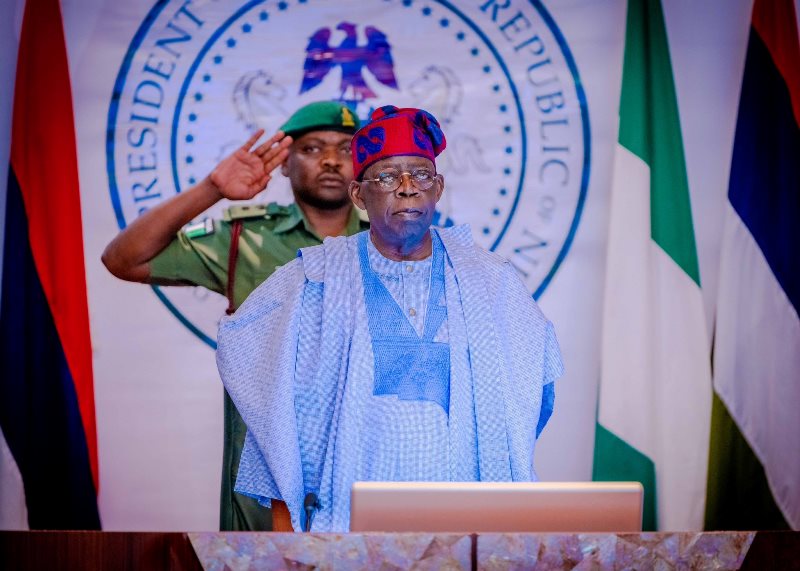
Government officials attribute this capital inflow to policy shifts under President Bola Tinubu’s administration, notably the liberalization of the foreign exchange market and the removal of the costly fuel subsidy, complemented by tighter monetary policies.
“The results speak to growing international confidence in our reform trajectory,” a ministry statement read. “As a result, combined foreign portfolio investment and foreign direct investment reached nearly $14 billion in Q1 to Q3 2025, surpassing total inflows in 2024.”
This renewed confidence is also reflected in the performance of the Nigerian Stock Exchange, which has been ranked among the world’s top-performing markets this year.
Beyond attracting commitments, the ministry reported progress on converting pledges into concrete projects. Four priority investment projects valued at $13.7 billion are currently advancing, representing a conversion rate of over 25% from signed Memoranda of Understanding.
The country’s investment promotion strategy has shifted from a passive model to an “active, systems-driven” one designed to improve project visibility and bankability. Key initiatives include a deal room at June’s West Africa Economic Summit, which generated over $400 million in transactions, and targeted trade missions led by Minister Dr. Jumoke Oduwole to major economies including the U.S., U.K., China, and the UAE.
Domestic investors have also been engaged through Nigeria’s first Domestic Investors Summit, where 75% of raised concerns were resolved immediately, with all issues addressed within five working days.
On trade, non-oil exports rose by 21% to $12.8 billion in the first half of 2025, contributing significantly to a national trade surplus of N12 trillion. Key export goods include cocoa, sesame seeds, and liquefied natural gas. Efforts to build export capacity have involved training more than 27,000 exporters and certifying 200 small and medium enterprises for international trade.
Nigeria is also taking a leadership role in implementing the African Continental Free Trade Area (AfCFTA), having been named a Co-Champion of the AfCFTA Protocol on Digital Trade alongside Kenya and South Africa.
Looking to 2026, the ministry announced plans to maintain momentum by focusing on execution in high-potential sectors such as solid minerals and climate-smart industrialization, aiming to translate this year’s investment confidence into sustained economic growth and job creation.