RateCaptain
  • Home
    • About Us
    • Contact Us
  • FX Rates
  • Money Market
  • Cryptocurrency
  • Commodities
  • Corporates
No Result
View All Result
Subscribe
  • Home
    • About Us
    • Contact Us
  • FX Rates
  • Money Market
  • Cryptocurrency
  • Commodities
  • Corporates
No Result
View All Result
RateCaptain
No Result
View All Result
Home Economy

Nigeria Set to Clear IMF Loan by 2029 Amid Economic Reforms

Stephen Akudike by Stephen Akudike
May 2, 2025
in Economy
Reading Time: 1 min read
A A
0
Share on FacebookShare on TwitterShare on WhatsappShare on Telegram

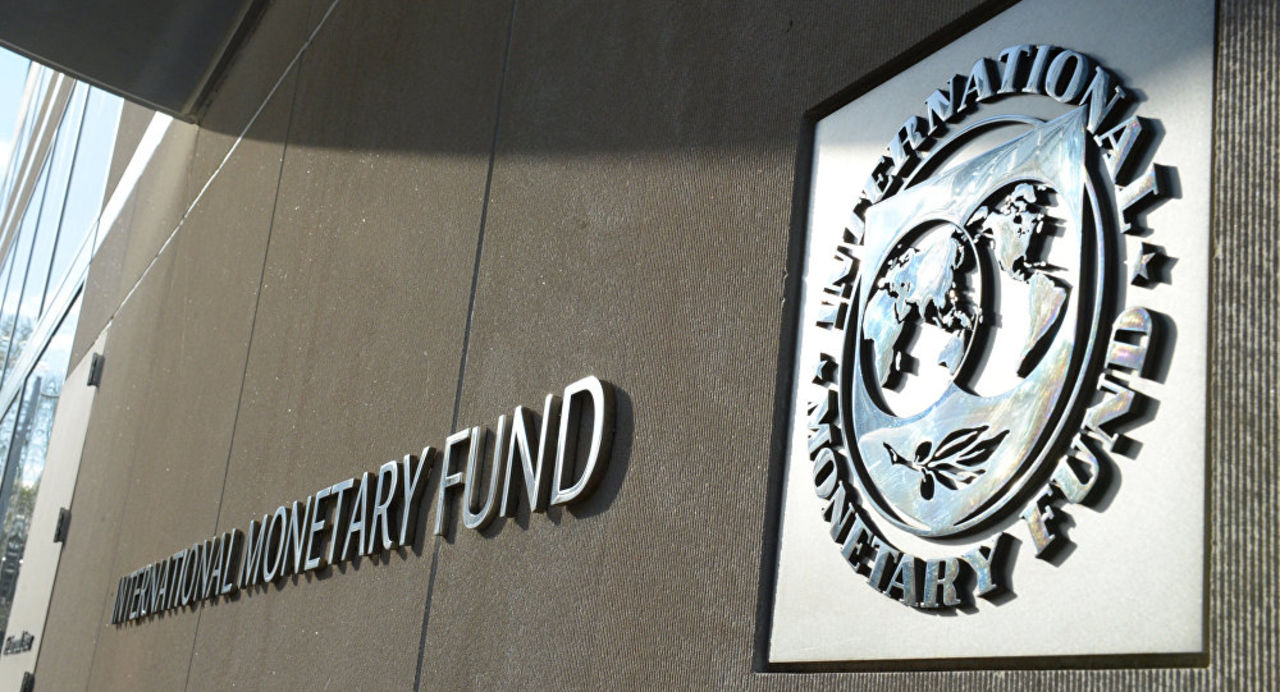
Nigeria is on track to fully repay its $3.32 billion loan from the International Monetary Fund (IMF) by 2029, according to new data published by the Fund. The loan, secured in April 2020 through the Rapid Financing Instrument, was granted to help the country manage the financial shocks caused by the COVID-19 pandemic and collapsing oil prices.

Under the current repayment schedule, Nigeria will settle its remaining obligations over the next five years. In 2025 alone, it is expected to repay around $446 million, with annual interest payments of approximately $36 million continuing through 2029. In total, repayments amounting to nearly $591 million are anticipated during this period.

AlsoRead

Naira Breaks Below N1,400 as Oil Rally and CBN Reforms Fuel Fresh Stability

Larger Disparities Boom Between Black Market and Official Rates

Emefiele’s Naira Redesign Memo Takes Centre Stage in EFCC Trial

Nigeria’s debt servicing to the IMF has already seen a significant reduction, dropping by 67.6% from $2.47 billion in 2023 to $800 million in 2024. IMF repayments made up a substantial portion—35%—of Nigeria’s total external debt servicing last year.

Since receiving the loan, Nigeria’s economic direction has shifted, with President Bola Tinubu’s administration introducing broad reforms. These include exchange rate unification, fuel subsidy removal, and efforts to boost tax revenues. These steps are designed to stabilize the economy, improve fiscal health, and attract foreign investors.

Global financial bodies have responded with cautious optimism. The World Bank forecasts Nigeria’s economy to grow by 3.6% in 2025, slightly above the IMF’s 3.0% estimate. Inflation has also begun to ease, and external reserves are showing resilience, bolstered by oil exports and remittance inflows.

Successfully completing the IMF repayment schedule would mark a significant achievement for Nigeria. It could strengthen the country’s creditworthiness, expand access to international markets, and improve investor confidence.

The IMF has praised Nigeria’s commitment to macroeconomic stability but continues to encourage further reforms to secure long-term growth and fiscal sustainability.

Tags: IMF
Previous Post

NACCIMA, OPS Warn Nigeria’s Rising Public Deficit Could Derail $1 Trillion Economy Target

Next Post

Fidelity Bank Reports N315.4bn in Q1 2025 Earnings, Profit Surges 190%

Related News

Angola Surpasses Nigeria, Becomes Africa’s Largest Oil Producer in August

Naira Breaks Below N1,400 as Oil Rally and CBN Reforms Fuel Fresh Stability

by Akpan Edidong
February 5, 2026
0

Nigeria’s naira has strengthened markedly in the official foreign exchange market, closing January at N1,386.55 per US dollar  its firmest...

Naira Surges Against US Dollar, Falls Below N1,000 Mark

Larger Disparities Boom Between Black Market and Official Rates

by Stephen Akudike
February 5, 2026
0

The gap between Nigeria’s official and parallel (black market) exchange rates has widened to over 6%, reviving fears of renewed...

U.S. Steps In on Emefiele Trial, Alleges Human Rights Violations

Emefiele’s Naira Redesign Memo Takes Centre Stage in EFCC Trial

by Victoria Attah
February 5, 2026
0

A 2022 memo from former Central Bank of Nigeria (CBN) Governor Godwin Emefiele seeking presidential approval for the controversial naira...

FG Allocates N5.1 Billion for Presidential Yacht and N5.5 Billion For Student Loans

Government Securities Now 11% of Nigerian Banks’ Assets as Credit Growth Lags

by Stephen Akudike
February 4, 2026
0

Nigerian banks’ exposure to government securities has risen sharply in recent years, now accounting for approximately 11% of their total...

Next Post
Fidelity Bank Faces Potential N1.19bn Loss to Litigation in 2023

Fidelity Bank Reports N315.4bn in Q1 2025 Earnings, Profit Surges 190%

Leave a Reply Cancel reply

Your email address will not be published. Required fields are marked *

Recommended

Angola Surpasses Nigeria, Becomes Africa’s Largest Oil Producer in August

Naira Breaks Below N1,400 as Oil Rally and CBN Reforms Fuel Fresh Stability

February 5, 2026
Naira Surges Against US Dollar, Falls Below N1,000 Mark

Larger Disparities Boom Between Black Market and Official Rates

February 5, 2026

Popular Story

  • U.S. Steps In on Emefiele Trial, Alleges Human Rights Violations

    Emefiele’s Naira Redesign Memo Takes Centre Stage in EFCC Trial

    0 shares
    Share 0 Tweet 0
  • Naira Surges to N1,358.91/$ in Official Market, Strongest Level in Nearly Two Years

    0 shares
    Share 0 Tweet 0
  • Nestlé Nigeria Repays $20 Million Forex Debt Ahead of Schedule

    0 shares
    Share 0 Tweet 0
  • Larger Disparities Boom Between Black Market and Official Rates

    0 shares
    Share 0 Tweet 0
  • Naira Breaks Below N1,400 as Oil Rally and CBN Reforms Fuel Fresh Stability

    0 shares
    Share 0 Tweet 0
RateCaptain

RateCaptain

We bring you the most accurate in new and market data. Check our landing page for details.

  • Home
  • About Us
  • Privacy Policy
  • Terms & Conditions
  • Disclaimer
  • Cookie Policy
  • Contact Us

Copyright © 2022 RateCaptain - All rights reserved by RateCaptain.

No Result
View All Result
  • Home
    • About Us
    • Contact Us
  • FX Rates
  • Money Market
  • Cryptocurrency
  • Commodities
  • Corporates

Copyright © 2022 RateCaptain - All rights reserved by RateCaptain.

RateCaptain
Manage Cookie Consent
To provide the best experiences, we use technologies like cookies to store and/or access device information. Consenting to these technologies will allow us to process data such as browsing behavior or unique IDs on this site. Not consenting or withdrawing consent, may adversely affect certain features and functions.
Functional Always active
The technical storage or access is strictly necessary for the legitimate purpose of enabling the use of a specific service explicitly requested by the subscriber or user, or for the sole purpose of carrying out the transmission of a communication over an electronic communications network.
Preferences
The technical storage or access is necessary for the legitimate purpose of storing preferences that are not requested by the subscriber or user.
Statistics
The technical storage or access that is used exclusively for statistical purposes. The technical storage or access that is used exclusively for anonymous statistical purposes. Without a subpoena, voluntary compliance on the part of your Internet Service Provider, or additional records from a third party, information stored or retrieved for this purpose alone cannot usually be used to identify you.
Marketing
The technical storage or access is required to create user profiles to send advertising, or to track the user on a website or across several websites for similar marketing purposes.
  • Manage options
  • Manage services
  • Manage {vendor_count} vendors
  • Read more about these purposes
View preferences
  • {title}
  • {title}
  • {title}
?>