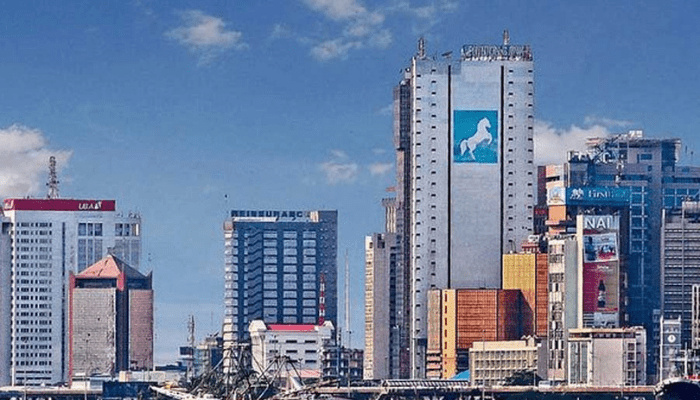
The Central Bank of Nigeria (CBN) announced that 14 commercial banks have successfully met the new capital requirements set during the ongoing recapitalization program. CBN Governor Yemi Cardoso shared this update during the 302nd Monetary Policy Committee (MPC) meeting held in Abuja.
The recapitalization initiative, designed to strengthen Nigeria’s banking sector, mandates varying capital thresholds based on license types. International commercial banks now require a minimum capital of N500 billion, national commercial banks N200 billion, and regional commercial banks N50 billion. Merchant banks also face a N50 billion requirement, while non-interest banks need N20 billion for national licenses and N10 billion for regional ones.
This marks a significant milestone since the last major recapitalization in 2004, which reduced the number of banks from 89 to 25 through mergers and acquisitions by raising the capital requirement from N2 billion to N25 billion.
Cardoso emphasized the progress, stating, “The MPC encourages the CBN to maintain policies ensuring the successful completion of this exercise.” The committee also noted the termination of forbearance measures on single obligors, promoting transparency and long-term stability in the banking system.
Monetary Policy Rate Reduced to 27%
In a move to support economic recovery, the MPC reduced the Monetary Policy Rate (MPR) by 50 basis points, from 27.5% to 27%. The decision reflects sustained disinflation over the past five months, with inflation dropping to 20.12% in August 2025 from 21.88% in July, according to the National Bureau of Statistics.
Additional adjustments include a revised standing facilities corridor of +250/-250 basis points around the MPR, a reduction in the Cash Reserve Ratio (CRR) for commercial banks from 50% to 45%, and the introduction of a 75% CRR on non-Treasury Single Account public sector deposits to manage liquidity. The CRR for merchant banks remains at 16%, and the Liquidity Ratio is unchanged at 30%.
Cardoso explained that these measures aim to balance price stability with economic growth, supported by stable exchange rates and robust external reserves, which reached $43.05 billion by September 11, 2025, with an import cover of 8.28 months.
Private Sector Welcomes Policy Shift
The Nigeria Employers’ Consultative Association (NECA) praised the MPR reduction, with Director-General Adewale-Smatt Oyerinde calling it a timely step to stimulate growth. However, he cautioned that high CRR and liquidity restrictions could limit the benefits unless credit costs decrease, enabling businesses to expand and create jobs. Oyerinde also highlighted the persistent challenge of food inflation at 21.87%, which continues to strain household incomes.
The Centre for the Promotion of Private Enterprise (CPPE) echoed this sentiment, with Director Muda Yusuf describing the easing of credit conditions as a significant policy shift. He noted the 75% CRR on non-TSA deposits as a strategic move to curb excess liquidity risks.
The Association of Small Business Owners of Nigeria (ASBON) welcomed the MPR cut but tempered expectations. President Femi Egbesola remarked, “While this signals a shift toward growth, the impact may not be immediate due to high lending rates. Sustained rate reductions and structural reforms are needed to support SMEs and manufacturers.”
Analyst David Adonri of Highcap Securities Limited expressed cautious optimism, citing concerns over global commodity market volatility and insecurity as potential risks to the policy’s sustainability.
Looking Ahead
The CBN’s actions reflect a delicate balance between controlling inflation and fostering economic recovery. With external reserves growing and disinflation continuing, the MPC remains optimistic about macroeconomic stability. However, stakeholders emphasize the need for complementary fiscal and structural reforms to address living