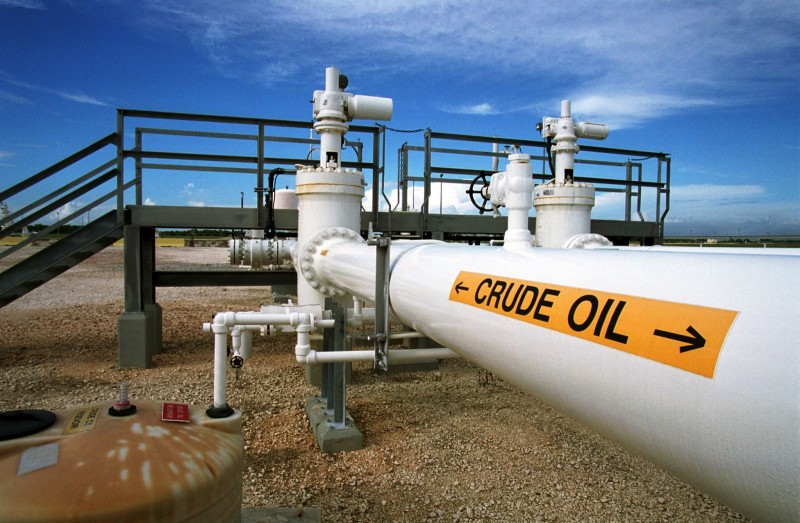
Nigerian crude oil prices have soared past $70 per barrel, reaching $72.3 on Tuesday, driven by heightened geopolitical tensions in the Red Sea and shifting dynamics in Nigeria’s oil sector. The surge follows recent Houthi attacks on shipping routes, which have raised fears of global supply disruptions, pushing prices for Nigerian blends like Bonny Light, Brass River, and Qua Iboe above major global oil benchmarks.
The attacks, including a deadly drone and speedboat assault on the Greek-operated, Liberian-flagged bulk carrier Eternity C off Yemen’s coast, which killed four crew members, have intensified concerns about the stability of key shipping lanes. These disruptions contributed to a two-week high in global oil prices, with Brent futures for September delivery settling at $69.91 per barrel and West Texas Intermediate (WTI) crude futures dipping slightly to $68 per barrel on Wednesday.
However, a reported 7.1 million-barrel increase in U.S. crude inventories for the week ending July 4, as per the American Petroleum Institute, has tempered price gains. This unexpected rise, contrasting with forecasts of a 2.8 million-barrel drawdown, signals potential oversupply issues in the U.S. market. Investors are now awaiting the Energy Information Administration’s report to confirm the trend, which could mark the largest inventory build since January.
In Nigeria, the Dangote Refinery, a $20 billion project in Lagos, is poised to transform the country’s oil landscape. The 650,000 barrel-per-day facility plans to halt crude oil imports by December 2025, relying entirely on Nigerian crude to meet its needs. In June, 53% of its feedstock came from local producers, with the remainder from the U.S. Vice President Devakumar Edwin announced that the refinery, currently processing 550,000 barrels daily, expects to secure all crude locally by year-end as foreign supply contracts expire. This shift aims to bolster Nigeria’s balance of payments and reduce reliance on costly imported refined products.
The Nigerian Upstream Petroleum Regulatory Commission’s 2024 report mandates domestic producers to supply crude to Dangote and other local refineries, supporting this transition. The refinery has also reduced petrol prices at the depot to N820 per liter from N840, effective immediately, to engage more distributors and enhance market reach.
Meanwhile, Petralon Energy is ramping up production at its Dawes Island field, aiming to increase output by 2,500 barrels per day through new drilling under Petroleum Prospecting License PPL 259. These developments underscore Nigeria’s push to maximize domestic oil production and refining capacity.
Despite the price surge, Nigeria faces challenges. The $72.3 per barrel price remains $2.7 below the government’s crude benchmark, threatening revenue and naira stability. Additionally, global market caution persists due to impending tariff announcements from U.S. President Trump, which could further influence oil price dynamics.
As Nigeria navigates these economic and geopolitical complexities, the focus on domestic crude utilization and refinery expansion signals a strategic pivot toward self-sufficiency, with potential ripple effects for global oil markets.