Nigerian workers are experiencing what labor leaders describe as the most severe financial pressure in the nation’s history, even as official data suggests a modest slowdown in inflation. The Nigeria Labour Congress (NLC) says the easing of headline inflation has done little to improve the daily realities of workers whose incomes have failed to keep pace with rising living costs.
According to the National Bureau of Statistics, Nigeria’s Consumer Price Index rose to 130.5 points in November from 128.9 points in October, reflecting a month-on-month increase of 1.6 points. On an annual basis, inflation slowed to 14.45 percent from 16.05 percent. While some businesses view the decline as a positive signal for consumer demand, labor unions argue that it has not translated into real relief for wage earners.
NLC President Joe Ajaero said workers are grappling with unprecedented economic hardship, likening current conditions to periods of extreme national difficulty such as the civil war and past austerity programs. He noted that many Nigerian workers struggle to earn enough to meet basic needs, a situation he said undermines physical well-being, mental health, and long-term financial stability.
The union also highlighted how widespread insecurity—driven by terrorism, banditry, and kidnappings—has compounded economic stress. Although recent reductions in petrol prices by Dangote Petroleum offered some relief, transport fares and household expenses remain elevated. The removal of fuel subsidies in 2023 continues to affect prices across the economy, further squeezing disposable incomes.
Despite the official minimum wage being set at ₦70,000, labor leaders say the amount is insufficient to cover essential items, as food prices—particularly staples such as rice—have surged beyond the reach of many households. Reports indicate that inflation exceeded 30 percent at various points in 2024, while real wages, especially in the public sector, remained largely unchanged.
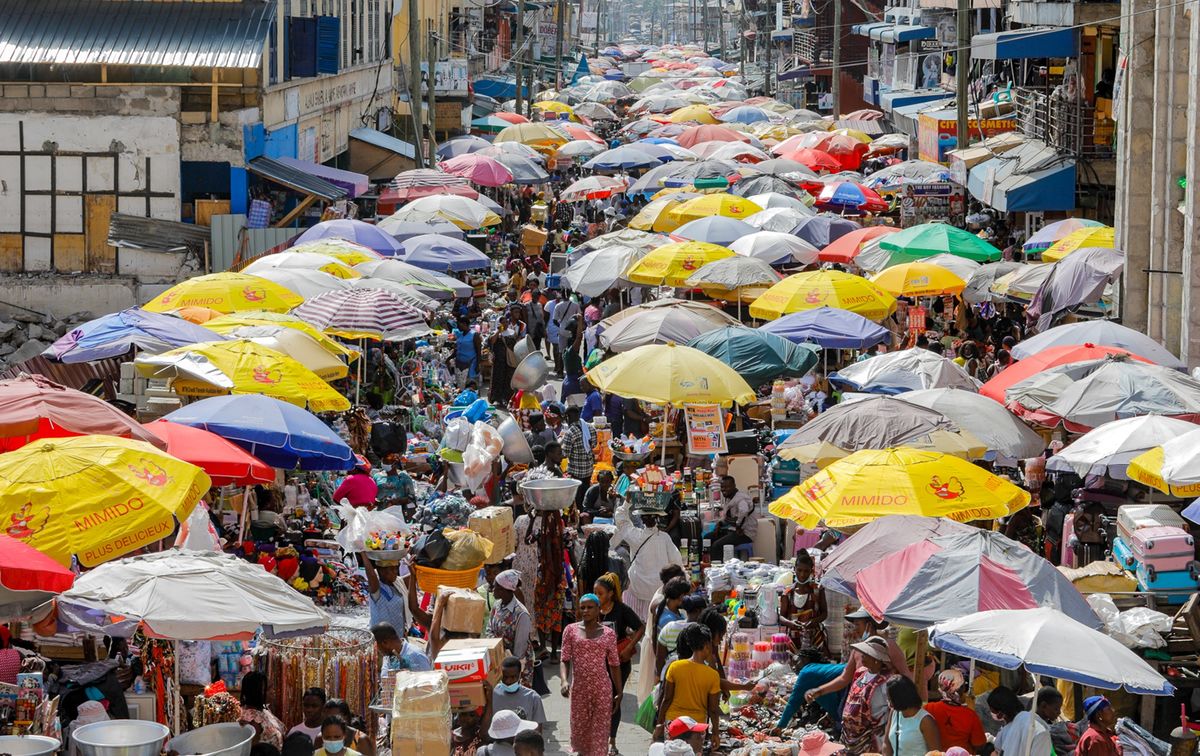
Currency depreciation has also intensified pressure by raising the cost of imported goods, fuel, and services. Rising transport expenses have fed into higher food prices, forcing many families to allocate a significant share of their income—sometimes as much as 80 percent—toward feeding alone.
High unemployment and underemployment have pushed many Nigerians into informal, low-paying jobs with little job security or access to benefits. Social protection systems remain limited, with weak unemployment support, low health insurance coverage, and uncertain pension outcomes even for formal sector workers.
Housing and transportation costs continue to climb, leading to longer commutes and unstable living arrangements for many workers. Additional burdens such as higher electricity tariffs, telecom charges, and statutory deductions further reduce take-home pay. Poor infrastructure, the NLC said, forces workers to spend more on private power, water, healthcare, and security.
In areas affected by conflict, displacement and loss of livelihoods have deepened poverty levels. Ajaero warned that the combination of high inflation, a weakening currency, and stagnant wages has severely eroded purchasing power, making saving and long-term planning nearly impossible for most workers.
The NLC is calling on the federal government to take urgent steps to stabilize the economy, raise real incomes, and strengthen social safety nets, warning that prolonged hardship for workers poses broader risks to national stability and economic growth.