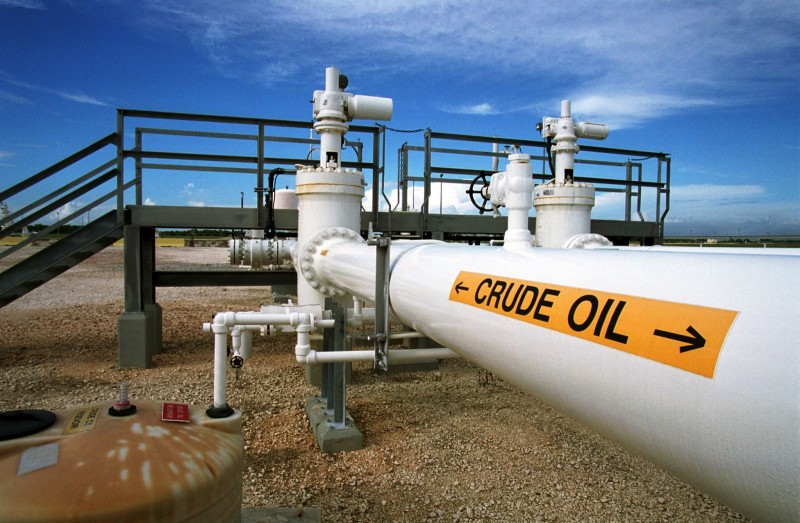
In the first half of 2025, Nigeria’s crude oil imports soared by 26.5%, reaching 5.66 million metric tons compared to 4.48 million metric tons in the same period of 2024. This significant increase is largely driven by the operations of the Dangote Petroleum Refinery, a 650,000 barrels-per-day facility that has reshaped Nigeria’s oil trade landscape.
The refinery, which began operations in May 2023 and started refining diesel and aviation fuel in January 2024, has relied heavily on imported crude from countries such as the United States, Brazil, Angola, and Equatorial Guinea. Data from the Nigerian Ports Authority (NPA) highlights a contrasting trend within the period: first-quarter imports in 2025 dropped by 30% to 2.40 million metric tons from 3.04 million in 2024, but the second quarter saw a dramatic 126% surge to 3.27 million metric tons from 1.44 million the previous year.
Domestic Supply Challenges
Despite plans to produce 2.06 million barrels per day (bpd) of crude oil and condensate in 2025, with 770,500 bpd allocated for domestic refineries, Nigeria’s actual output fell short. According to the Nigerian Upstream Petroleum Regulatory Commission (NUPRC), production ranged between 1.60 million and 1.74 million bpd from January to July 2025. Over this period, 67.66 million barrels were supplied to local refineries, indicating constraints in meeting domestic demand.
Dr. Muda Yusuf, CEO of the Centre for the Promotion of Private Sector Enterprise (CPPE), attributed the refinery’s reliance on imported crude to Nigeria’s limited domestic supply. He noted that a significant portion of Nigeria’s crude is tied up in forward sales contracts with international buyers, often to finance refinery maintenance and other expenses. “These commitments, combined with joint ventures with International Oil Companies, restrict the crude available for local refiners,” Yusuf explained.
Impact on Petroleum Exports and Shipping
The Dangote Refinery has also influenced Nigeria’s petroleum product exports. In the first half of 2025, petrol exports totaled 998,500 metric tons, a 7.45% decrease from 1.08 million metric tons in 2024. However, the refinery’s operations have boosted Nigeria’s global trade in refined products, with exports reaching markets worldwide.
Maritime consultant Oluwabunmi Ogunjimi highlighted the refinery’s impact on the shipping sector. The influx of large vessels, including Very Large Crude Carriers (VLCCs), delivering crude and loading refined products has significantly increased revenue for the Nigerian Ports Authority through ship dues, towage fees, and pilotage charges. “The refinery has transformed Nigeria’s shipping dynamics, creating economic activity across the value chain,” Ogunjimi said.
Economic Benefits and Future Outlook
The Major Energies Marketers Association of Nigeria (MEMAN) noted that the refinery’s operations have contributed to a favorable trade balance and supported foreign exchange stability. By reducing reliance on imported refined products and boosting exports, the Dangote Refinery is positioning Nigeria as a key player in the global energy market.
As the refinery continues to scale up, its influence on Nigeria’s oil and gas sector, shipping industry, and government revenue is expected to grow, potentially making it a cornerstone of the nation’s economic transformation.