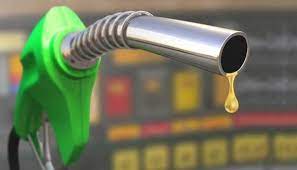
The Federal Government of Nigeria is poised to generate N796 billion annually from a new 5% surcharge on petrol, set to take effect from January 1, 2026, under the Nigeria Tax Administration Act, one of four tax reform bills signed by President Bola Tinubu on June 26, 2025. The policy, aimed at boosting non-oil revenue and fiscal sustainability, targets fossil fuel products like petrol, diesel, and aviation fuel, while exempting clean energy products, household kerosene, cooking gas, and Compressed Natural Gas (CNG).
An analysis based on 2024 data from the Nigerian Midstream and Downstream Petroleum Regulatory Authority (NMDPRA) estimates Nigeria’s petrol consumption at 18.75 billion liters, valued at N15.93 trillion at an average price of N850 per liter. The 5% surcharge on this volume yields the projected N796 billion, excluding additional revenue from other fossil fuels like diesel and aviation fuel. The Federal Inland Revenue Service, soon to be renamed the Nigeria Revenue Service, will administer and collect the surcharge monthly, with implementation details subject to approval by Finance Minister Wale Edun.
The surcharge applies to “chargeable transactions” such as the supply, sale, or payment for fossil fuel products, calculated on retail prices. The Act empowers the Minister of Finance to set the start date via an official gazette and allows the revenue service to issue regulations for effective enforcement. This move aligns with Tinubu’s broader tax reforms, including the Joint Revenue Board (Establishment) Law and Nigeria Revenue Service Act, designed to enhance revenue efficiency and reduce reliance on borrowing amid rising public debt.
However, the policy has sparked widespread criticism. Consumers, already grappling with the 2023 fuel subsidy removal, argue that the surcharge exacerbates economic hardship, with inflation at 22.22% in June 2025. Akintade Abiodun, National Chairman of the Joint Drivers Welfare Association, accused the government of treating citizens as “lab rats” for harsh policies. Jackson Omenazu of the International Society for Social Justice and Human Rights called the surcharge “anti-people,” warning of potential public unrest if economic pressures persist.
Oil marketers, including the Independent Petroleum Marketers Association of Nigeria (IPMAN), cautioned that the surcharge could raise pump prices. IPMAN’s Chinedu Ukadike noted that refineries and marketers, operating on thin margins, would likely pass the cost to consumers, further straining Nigeria’s fragile downstream pricing environment. The Association of Nigerian Refineries Petroleum Marketers supported the levy conditionally, urging transparent implementation tied to visible road infrastructure improvements and robust regulatory measures to prevent malpractice.
As Nigeria navigates fiscal challenges, the surcharge represents a strategic push for non-oil revenue but risks intensifying public discontent if not balanced with economic relief measures.