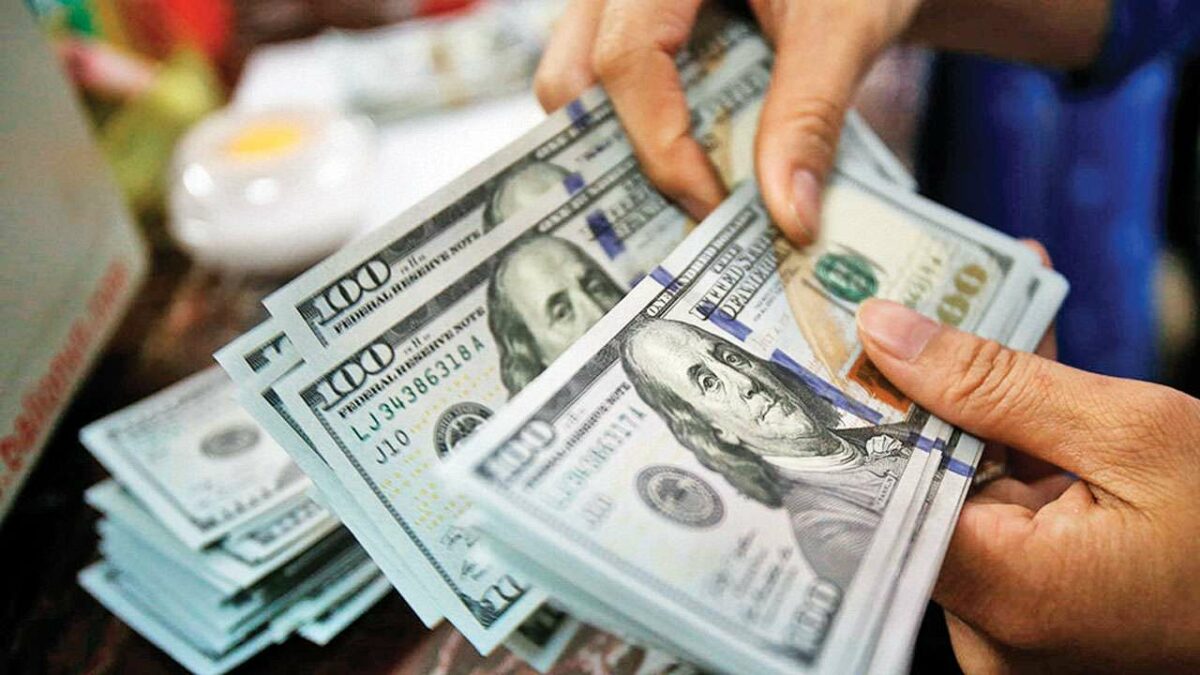
Nigeria’s foreign exchange reserves have reached a six-year high, climbing to $42.03 billion on September 19, 2025, according to data from the Central Bank of Nigeria (CBN). This milestone, the highest since September 2019, signals a robust recovery from earlier lows in 2025 and bolsters confidence in the nation’s ability to stabilize its currency and meet international obligations.
Consistent Growth Throughout September
The reserves have shown remarkable consistency, with 13 consecutive daily increases over 14 reporting days in September. From the start of the month, when reserves stood at $41.42 billion, they grew by $610.8 million (1.47%), averaging daily gains of approximately $47 million. The second half of September was particularly strong, with reserves rising by nearly $583 million between September 15 and 19. Compared to August 29, when reserves were $41.31 billion, the current figure reflects a 1.76% increase, or $727.3 million.
Year-to-Date Recovery
The $42.03 billion mark represents a year-to-date increase of $1.15 billion (2.83%) from $40.88 billion at the end of 2024. This achievement follows a challenging first half of 2025, when reserves plummeted to a low of $37.18 billion on July 3, raising concerns about Nigeria’s ability to support the naira and fulfill external commitments. Since then, reserves have rebounded by $4.85 billion, a 13.05% recovery, surpassing all previous 2025 levels and restoring market confidence.
Economic Implications
The surge above $42 billion enhances the CBN’s capacity to manage foreign exchange market volatility and strengthens Nigeria’s import cover, a critical metric for investors and rating agencies. This milestone is expected to boost investor sentiment, potentially attracting portfolio inflows if policy consistency and attractive yields are maintained. Analysts at Cowry Assets Management project that reserves could reach $45 billion by the end of 2025, driven by steady oil revenues, non-oil exports, diaspora remittances, and planned external borrowings.
Challenges to Sustained Growth
While the rally is a significant achievement, its sustainability hinges on continued foreign exchange inflows. Risks such as declining oil production, falling global oil prices, or speculative pressures could disrupt this momentum. However, increased oil output, transparent foreign exchange policies, and coordinated fiscal-monetary strategies could push reserves beyond the 2019 peak of $42.05 billion, potentially approaching levels seen in the mid-2010s when reserves exceeded $45 billion.
Looking Ahead
The September surge has transformed Nigeria’s reserve outlook from vulnerability to resilience, offering a critical opportunity for policymakers to reinforce economic stability. Sustaining this upward trajectory into the fourth quarter will be key to ensuring long-term naira stability and strengthening Nigeria’s position in the global economy.