Financial experts have raised serious concerns that Nigeria’s planned N20.12 trillion budget deficit for 2026 could severely limit credit availability for the private sector, as the Federal Government intends to finance N14.30 trillion (71.1%) of the shortfall through domestic borrowing.
According to the 2026–2028 Medium-Term Expenditure Framework (MTEF), the heavy reliance on local debt markets risks driving up borrowing costs, reducing liquidity, and intensifying competition for funds between the government and private businesses.
Analysts interviewed by Nairametrics described the scale of domestic borrowing as unprecedented by historical standards. Mr. Blakey Ijezie, Founder of Okwudili Ijezie & Co (Chartered Accountants), acknowledged that the market could technically absorb the N14.30 trillion but warned of significant strain: “Absorption will come through higher yields rather than surplus liquidity. This is classic crowding-out risk.”
Mr. David Adonri, CEO of Highcap Securities, echoed the sentiment, stating that corporations could end up raising funds at yields higher than the government’s, making debt-funded growth “extremely difficult” for businesses. He predicted that corporate borrowing rates could climb to 25–30%, particularly for riskier firms.
Mr. Tilewa Adebajo, CEO of CFG Advisory, highlighted the market’s “mechanical capacity” to handle the borrowing but cautioned that it would come at a steep cost: rising interest rates, constrained liquidity, and reduced credit access for small and medium enterprises (SMEs). Investors, he said, are likely to favour safer sovereign instruments, sidelining private enterprises in the scramble for funds.
The government’s growing dependence on domestic borrowing reflects a structural shift in recent years. Data from the Debt Management Office (DMO) show domestic borrowing rose from N2.34 trillion in 2021 to N7.0 trillion in 2023 and N8.58 trillion in 2024. The trend accelerated as external borrowing conditions tightened and fiscal pressures mounted.
Analysts say the crowding-out effect could slow economic growth, limit private sector investment, and hinder recovery efforts. With Nigeria’s banking sector already grappling with recapitalisation requirements and elevated non-performing loans, reduced credit flows to productive sectors risk constraining job creation, manufacturing, and overall economic expansion.
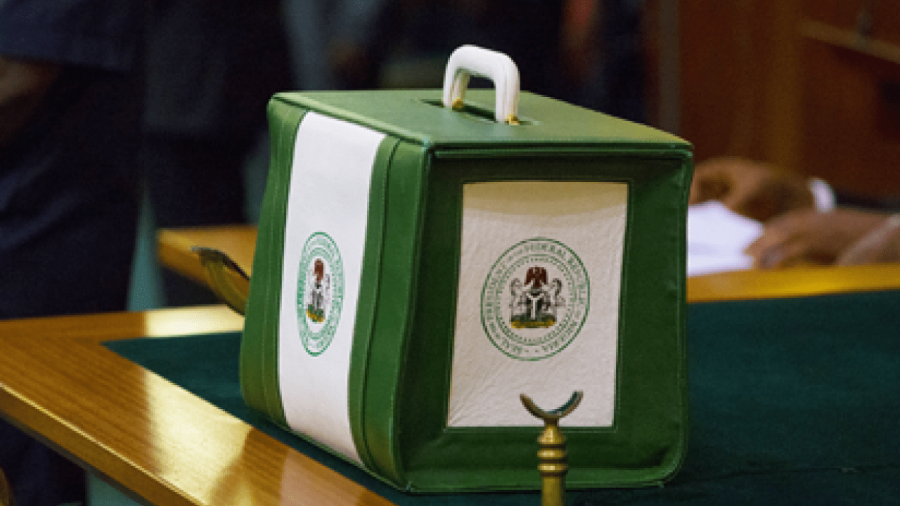
The warnings come as the National Assembly prepares to debate the 2026 Appropriation Bill. Stakeholders are calling for a balanced approach that combines prudent deficit financing with measures to protect private sector access to credit and avoid excessive pressure on domestic interest rates.
For now, the projected N20.12 trillion deficit and the government’s decision to source the bulk domestically — has placed Nigeria’s financial markets at a critical juncture. The coming months will test whether the country can manage its fiscal ambitions without stifling the private sector’s ability to drive growth and job creation.