Global oil prices have climbed above Nigeria’s 2026 budget benchmark of $64.85 per barrel, delivering a timely boost to the country’s fiscal outlook, foreign exchange reserves, and the naira’s recent strengthening trend.
Brent crude futures rose 94 cents (1.4%) to settle at $69.34 per barrel on Thursday, marking the third consecutive day of gains. U.S. West Texas Intermediate (WTI) crude advanced 1.5% to close at $64.13 per barrel. The upward momentum has been fuelled by escalating geopolitical tensions in the Middle East, particularly speculation surrounding potential U.S. military action against Iran — a key oil producer — and risks of disruption to the Strait of Hormuz, through which roughly 20% of global oil supply passes.
Market analysts warn that any major escalation could push Brent prices sharply higher, with estimates ranging from $91 to as much as $150 per barrel in a severe supply-shock scenario.
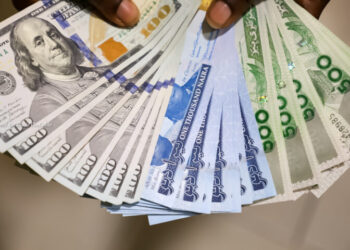
The price rally offers significant relief for Nigeria’s oil-dependent economy. Higher crude revenues strengthen fiscal inflows, support external reserves, and reduce pressure on the naira. The local currency has already shown resilience in recent sessions, bolstered by reforms under Central Bank of Nigeria (CBN) Governor Olayemi Cardoso, including improved FX liquidity management, tighter monetary policy, and rising non-oil inflows.
A sustained Brent price above $69 per barrel would generate additional dollar earnings for the government and the Nigerian National Petroleum Company Limited (NNPCL), helping to build reserves further and cushion the economy against external shocks. Analysts view the current levels as a “golden opportunity” for the naira to consolidate gains and potentially test even stronger territory in the coming weeks.
The development comes at a critical time for Nigeria, which has been working to diversify revenue sources while addressing domestic production challenges such as pipeline vandalism and theft. With reserves recently climbing above $46 billion, the combination of higher oil prices and ongoing reforms is creating a more favourable environment for currency stability and import cover.
While the price surge is welcomed, experts caution that volatility remains high. Any de-escalation in Middle East tensions could quickly reverse gains, while prolonged disruptions would bring both upside revenue benefits and downside risks from global economic slowdowns.
For now, the oil market’s upward trajectory is providing Nigeria with breathing room — and a reminder of how closely the country’s economic fortunes remain tied to global crude dynamics. As Brent holds above the budget benchmark, policymakers and investors will be watching closely for signs of sustained momentum or renewed geopolitical flare-ups.