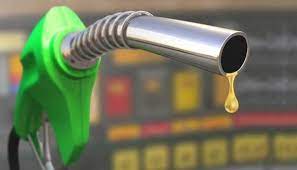
Nigeria’s petrol consumption has plummeted by 28% over the past two years, with daily volumes falling from 68.353 million litres in June 2023 to 49.277 million litres in June 2025, according to the Nigerian Midstream and Downstream Petroleum Regulatory Authority (NMDPRA). The decline, driven by rising fuel prices and a shift to Compressed Natural Gas (CNG), has left pump attendants idle and fuel stations struggling, particularly independent marketers.
The removal of fuel subsidies by President Bola Tinubu on May 29, 2023, triggered multiple price hikes, with petrol prices jumping from N195 to N617 per litre in Lagos and higher in Abuja. Recent checks by Financial Vanguard revealed further adjustments, with prices at MRS stations dropping to N865 per litre, compared to N870–N890 elsewhere. However, low patronage persists, with stations like RYBL Services Limited in Abuja taking two months to sell a 30,000-litre tanker, forcing staff reductions.
Independent marketers in Lagos, such as Techno Oil, report significantly lower sales compared to pre-deregulation levels, as consumers prioritize essential needs amid rising costs. In contrast, MRS and other Dangote Refinery retail partners see long queues due to lower prices. In Asaba and Nasarawa, stations like AA Rano benefit from competitive pricing, while others remain quiet. In Kaduna, sales have slightly improved, but overall volumes remain below two years ago, partly due to CNG adoption.
CNG demand is surging, with prices at N230–N235 per kilogram, attracting drivers like Onyebuchi Okeke, who spends less on fuel and visits petrol stations rarely. Chief Chinedu Ukadike of the Independent Petroleum Marketers Association of Nigeria (IPMAN) highlighted reduced smuggling, CNG conversions, and high living costs as key factors. He warned that marketers face extinction by 2028 without government intervention, as turnovers dwindle to one truck per month for some.
Henry Adigun, CEO of AHA Consultancies, criticized frequent price changes as destabilizing, urging competition to prevent monopolies and ensure consumer benefits. Nigeria’s economic context, with a 67.12% rise in capital importation to $5.64 billion in Q1 2025, contrasts with challenges like naira volatility (N1,560/$1) and 21.88% inflation in July, underscoring the need for stable policies to support the downstream sector.