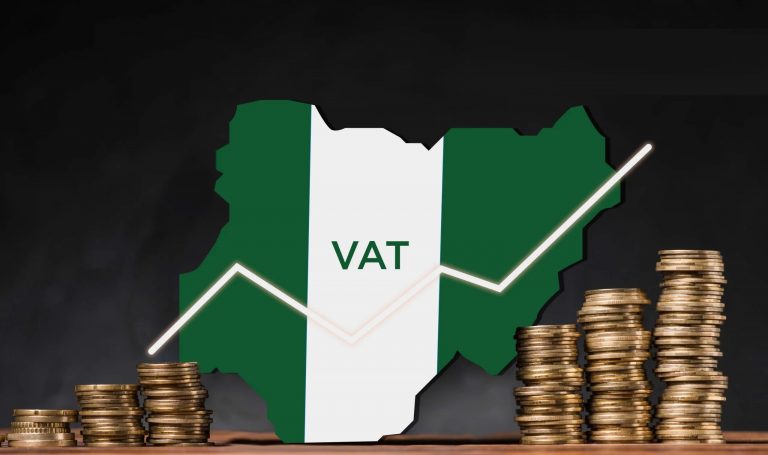
As Nigeria grapples with the fresh implementation of the Nigeria Tax Act 2025, the Value Added Tax (VAT) system has ignited a firestorm of debate among citizens, economists, and policymakers. At its core, VAT – a consumption tax levied on goods and services at a standard rate of 7.5% – is designed to bolster federal revenue amid dwindling oil earnings. Yet, its complexities, from fragmented administration to evasion loopholes, have turned it into a lightning rod for public discontent. With the new reforms expanding exemptions to essentials like food and medicine while mandating e-invoicing for compliance, opinions are sharply divided. For many, it’s a tool for national stability; for others, a regressive burden that deepens inequality.
The VAT regime, introduced in 1993 to replace sales tax, has evolved unevenly. Managed primarily by the Federal Inland Revenue Service (FIRS), it faces jurisdictional overlaps with state boards, leading to double taxation claims and compliance headaches. Businesses must register if their annual turnover exceeds N50 million under the 2025 updates, up from N25 million, but smaller enterprises still grapple with input tax credits and refund delays. Non-resident digital providers, like streaming services, now face obligations starting January 2026, aiming to capture revenue from global tech giants. Penalties for non-compliance are steep: up to 50% of taxable value for missing invoices, plus fines for late filings.
Proposed hikes – from 7.5% to 10% or even 15% in phased increments – have been repeatedly rebuffed by the National Assembly, including a March 2025 rejection of a staggered rise to 15% by 2030. Finance Minister Wale Edun denied immediate increases in September, citing economic sensitivities, but whispers of future adjustments persist. The World Bank has long advocated for a bump to align with sub-Saharan averages of 18%, arguing Nigeria’s 10% tax-to-GDP ratio is Africa’s lowest. Critics, however, decry it as insensitive amid 32.7% inflation and fuel subsidy woes.

NIGERIANS OUTCRY
Enter the voices of everyday Nigerians, whose perspectives reveal a tapestry of frustration, pragmatism, and guarded optimism. Leading the chorus is Adagba Gift, a 26-year-old business analyst in Abuja’s bustling Wuse Market. “VAT is like a two-way coin,” she says, flipping a naira in her palm during a recent interview. “On one side, it’s exploitation – pure and simple – when this tax doesn’t translate to better roads, schools, or even trader benefits like subsidized inputs. I’ve seen my costs rise 20% since the 2020 hike from 5%, and where’s the refund for the generators we buy to beat blackouts? It’s us footing the bill for a system that leaks like a sieve.” Yet, Adagba tempers her critique with nuance. “Flip it over, and it’s a balancer for national income. In developed countries like the UK or Canada, VAT funds universal healthcare and infrastructure without the corruption tag. If Nigeria plugs the holes – better enforcement, transparent spending – it could work here too. Right now, though? It’s heads for the elite, tails for the rest of us.”
Adagba’s duality mirrors broader sentiments. On the streets of Lagos, traders echo her exploitation angle. Chinedu Okoro, a phone accessory vendor, vents: “Every sale, I add 7.5%, but customers haggle it away or shop black market. Meanwhile, potholes swallow my okada on the way home. This isn’t tax; it’s legalized robbery.” A recent X (formerly Twitter) thread captured this ire, with user @Dara_aking slamming, “Less than 10% pay income tax, but VAT hits everyone – even the poor buying garri. Extend the net? Nah, fix the leaks first.” Posts like these, surging since the November 10 FIRS launch of reforms, show over 5,000 mentions in a week, blending memes of “VAT vampires” with calls for audits.
Economists weigh in with data-driven caution. Dr. Taiwo Oyedele, head of the Presidential Fiscal Policy Committee, defends the system in a recent op-ed: “VAT generated N1.53 trillion in 2020 alone, outpacing oil taxes. Reforms zero-rate 82% of essentials – grains, baby products, solar panels – shielding the vulnerable. It’s not perfect, but evasion costs us N500 billion yearly; e-fiscalization will claw that back.” Oyedele points to successes abroad: Sweden’s 25% VAT funds robust welfare, while Kenya’s 16% rate correlates with 5% GDP growth. In Nigeria, he argues, it could diversify from oil’s 75% revenue chokehold, especially with South-South states dominating royalties but lagging in non-oil contributions.
Yet, the anti-hike camp grows louder, framing VAT as regressive in a nation where 40% live below $1.90 daily. Former Vice President Atiku Abubakar blasted proposals in October 2024 as “tone-deaf,” warning of inflation spikes. Labor unions like the Nigeria Labour Congress (NLC) rally against it, with General Secretary Emmanuel Ugboaja stating, “Raising VAT without wage hikes is economic sabotage. It shrinks purchasing power, kills SMEs – 90% of jobs – and widens the rich-poor gulf.” A Vanguard poll last month found 62% of 1,200 respondents viewing it as “punitive,” with northern states like Sokoto reporting higher evasion due to low literacy and digital divides.
Consumers, caught in the crossfire, formulate opinions across spectrums. Urban millennials on X praise exemptions for digital education access, with @Preye_babayemi noting, “Raising thresholds to N50m spares my freelance gig – progress!” Rural voices, however, decry logistics: “How do farmers in Kano file e-returns without internet?” one anonymous herder posted. Women-led households, per a 2025 African Development Bank study, bear 60% of the burden, as they dominate informal trade.
The debate underscores a deeper rift: trust. As Adagba Gift puts it, “Show us the money in hospitals and boreholes, not private jets, and we’ll buy in.” With implementation teething pains – like the rushed fiscalization rollout – the government faces a tightrope. Pro-reform advocates push for education campaigns and incentives, like faster refunds, to build buy-in. Opponents demand constitutional tweaks for clearer jurisdiction and anti-corruption clauses.
As 2026 looms, Nigeria’s VAT saga is no mere fiscal footnote; it’s a referendum on governance. Will it evolve into a success story like its developed peers, or remain a coin toss favoring the few? For now, citizens like Adagba watch warily, wallets thin but resolve thick. In a country where taxes fund dreams deferred, the real value added may be accountability – if only policymakers flip the coin right.