RateCaptain
  • Home
    • About Us
    • Contact Us
  • FX Rates
  • Money Market
  • Cryptocurrency
  • Commodities
  • Corporates
No Result
View All Result
Subscribe
  • Home
    • About Us
    • Contact Us
  • FX Rates
  • Money Market
  • Cryptocurrency
  • Commodities
  • Corporates
No Result
View All Result
RateCaptain
No Result
View All Result
Home Economy

Abuja Electricity Distribution Company (AEDC) Reverses Decision on Electricity Tariff Increase.

Stephen Akudike by Stephen Akudike
September 13, 2023
in Economy
Reading Time: 2 mins read
A A
0
Abuja Electricity Distribution Company (AEDC) Reverses Decision on Electricity Tariff Increase.
Share on FacebookShare on TwitterShare on WhatsappShare on Telegram

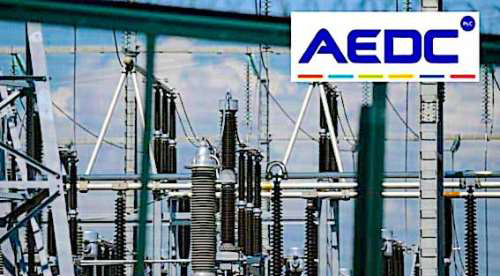
Abuja Electricity Distribution Company (AEDC) has made a U-turn on its earlier decision to implement an increase in electricity tariffs starting from July 1, 2023. In a recent Twitter post, the company advised the public to disregard any communication circulating about the proposed review of electricity tariffs.

The tweet stated, “Be informed that no approval for such increments has been received. We regret any inconvenience.” This announcement comes as a relief to consumers who were anticipating a tariff hike in the near future.

AlsoRead

IMF Warns Rising Stablecoin Use Could Weaken Naira Demand and Monetary Policy

Nigeria’s Inflation Climbs to 15.93% in May as Price Pressures Persist

Nigerians Borrowed Record $3.18 Billion in Airtime Credit Last Year – Report

Previously, AEDC had indicated its intention to raise electricity tariffs, citing the fluctuating exchange rate as a key factor influencing the decision. In a statement, the management mentioned that effective July 1, 2023, there would be an upward review of the electricity tariff based on the exchange rate fluctuations.

According to the MYTO 2022 guidelines, the previously set exchange rate of N441/$1 was expected to be revised to approximately N750/$1, which would have had an impact on the tariffs associated with electricity consumption. The new base tariff for customers within bands B and C, with supply hours ranging from 12 to 16 per day, was expected to be N100 per kWh. On the other hand, customers in Bands A (20 hours and above) and B (16 to 20 hours) would have experienced relatively higher tariffs.

In light of the reversed decision, AEDC encouraged customers with prepaid meters to consider purchasing bulk energy units before the end of the month. This would have allowed them to take advantage of the current rates and potentially save money before the implementation of any new tariffs.

The sudden change in AEDC’s stance on electricity tariffs has generated mixed reactions from consumers. While many are relieved by the temporary reprieve, others express concerns about the potential long-term implications of tariff adjustments.

The AEDC’s decision to rescind the planned tariff increase reflects the complex dynamics surrounding the electricity sector in Nigeria. The need to balance the financial viability of power distribution companies with the affordability and satisfaction of consumers remains a challenging task for industry stakeholders.

As the situation unfolds, consumers will continue to monitor any future developments regarding electricity tariffs, hoping for a sustainable solution that ensures reliable power supply without imposing excessive financial burdens on households and businesses.

Tags: #NigeriaAbuja Electricity Distribution CompanyAEDCBulk energy unitsConsumer reliefElectricity consumptionElectricity tariffsFinancial viabilityFluctuating exchange rateMYTO 2022power sectorPrepaid metersReversalTariff increaseU-turn
Previous Post

Petrol Prices Surge in West Africa as Nigeria Removes Subsidies.

Next Post

Ugandans Sue TotalEnergies Over Alleged Human Rights Violations in Massive Oil Projects.

Related News

IMF Warns Rising Stablecoin Use Could Weaken Naira Demand and Monetary Policy

by Bolarinwa Mathew
June 16, 2026
0

The International Monetary Fund (IMF) has raised concerns over the rapid adoption of U.S. dollar-denominated stablecoins in Nigeria, warning that...

Navigating Inflation Crossroads: Nigeria’s Economic Odyssey Amidst Global Trends

Nigeria’s Inflation Climbs to 15.93% in May as Price Pressures Persist

by Victoria Attah
June 16, 2026
0

Nigeria’s headline inflation rate rose for the second consecutive month, reaching 15.93% in May 2026, up from 15.69% recorded in...

Nigeria’s MTN and Airtel Record N403.2 Billion Data Revenue In Q3, 2023

Nigerians Borrowed Record $3.18 Billion in Airtime Credit Last Year – Report

by Victoria Attah
June 15, 2026
0

Mobile subscribers across Nigeria and other parts of Africa took a total of $3.18 billion worth of airtime on credit...

IMF Applauds Tinubu Policy Reforms While Lowering Growth Projections

Nigeria’s External Debt Projected to Reach $72.6 Billion by 2027 – IMF

by Jide Omodele
June 10, 2026
0

The International Monetary Fund (IMF) has projected that Nigeria’s public external debt will rise sharply to $72.6 billion by 2027,...

Next Post
Ugandans Sue TotalEnergies Over Alleged Human Rights Violations in Massive Oil Projects.

Ugandans Sue TotalEnergies Over Alleged Human Rights Violations in Massive Oil Projects.

Leave a Reply Cancel reply

Your email address will not be published. Required fields are marked *

Recommended

Dollar Index Loses Steam as Treasury Yields Drift Back to 4.8%

Naira Strengthens to N1,356 per Dollar in Official Market, Best Level Since April

June 16, 2026
World Bank Extends Nigeria’s Digital Identification Project Deadline Amid Missed Targets

Tin Can and Apapa Ports Rank Among World’s Top 20 Most Improved Container Ports

June 16, 2026

Popular Story

  • Liquidity Crunch: Banking Sector’s Borrowing from CBN Surges to N12 Trillion.

     Banks Generate N224.69 Billion from E-Banking and ATM Charges in Q1 2026

    0 shares
    Share 0 Tweet 0
  • Nigerians Borrowed Record $3.18 Billion in Airtime Credit Last Year – Report

    0 shares
    Share 0 Tweet 0
  • Naira Depreciates by N5.08 Week-on-Week as Dollar Liquidity Tightens

    0 shares
    Share 0 Tweet 0
  • Elon Musk’s Wealth Crosses $1 Trillion Mark, Overtaking Nigeria’s Entire Economy

    0 shares
    Share 0 Tweet 0
  • 31 Nigerian States Grapple with N2.57 Trillion Domestic Debt Amid No Foreign Inflows

    0 shares
    Share 0 Tweet 0

RateCaptain

We bring you the most accurate in new and market data. Check our landing page for details.

  • Home
  • About Us
  • Privacy Policy
  • Terms & Conditions
  • Disclaimer
  • Cookie Policy
  • Contact Us

Copyright © 2022 RateCaptain - All rights reserved by RateCaptain.

No Result
View All Result
  • Home
    • About Us
    • Contact Us
  • FX Rates
  • Money Market
  • Cryptocurrency
  • Commodities
  • Corporates

Copyright © 2022 RateCaptain - All rights reserved by RateCaptain.

RateCaptain
Manage Cookie Consent
To provide the best experiences, we use technologies like cookies to store and/or access device information. Consenting to these technologies will allow us to process data such as browsing behavior or unique IDs on this site. Not consenting or withdrawing consent, may adversely affect certain features and functions.
Functional Always active
The technical storage or access is strictly necessary for the legitimate purpose of enabling the use of a specific service explicitly requested by the subscriber or user, or for the sole purpose of carrying out the transmission of a communication over an electronic communications network.
Preferences
The technical storage or access is necessary for the legitimate purpose of storing preferences that are not requested by the subscriber or user.
Statistics
The technical storage or access that is used exclusively for statistical purposes. The technical storage or access that is used exclusively for anonymous statistical purposes. Without a subpoena, voluntary compliance on the part of your Internet Service Provider, or additional records from a third party, information stored or retrieved for this purpose alone cannot usually be used to identify you.
Marketing
The technical storage or access is required to create user profiles to send advertising, or to track the user on a website or across several websites for similar marketing purposes.
  • Manage options
  • Manage services
  • Manage {vendor_count} vendors
  • Read more about these purposes
View preferences
  • {title}
  • {title}
  • {title}
?>