Brent crude futures climbed to $105.15 per barrel in late trading on Monday, up nearly 2% for the day, as the U.S.-Israeli war against Iran stretched into its third week with no signs of de-escalation, intensifying worries over prolonged disruptions to Middle East oil flows.
The rally extended a dramatic monthly surge, with Brent now more than 40% higher this month and trading at its highest levels since 2022. U.S. West Texas Intermediate (WTI) followed suit, rising 1.63% to $100.32 per barrel after strong gains in the prior session. The price momentum reflects escalating risks to key infrastructure and the ongoing effective closure of the Strait of Hormuz a vital chokepoint handling roughly one-fifth of global oil shipments.
Tensions have centered on Iran’s response to U.S. and Israeli strikes, including threats to regional export hubs like Kharg Island (which handles about 90% of Iran’s oil exports) and reported drone attacks on facilities such as the UAE’s Fujairah terminal. While loading at Fujairah has reportedly resumed, uncertainty lingers over full normalization amid broader attacks on Gulf targets.
Diplomatic efforts appear stalled: the Trump administration has reportedly rebuffed negotiation overtures from regional allies, while Iran has rejected ceasefire talks until strikes cease. U.S. President Donald Trump has pushed for a multinational coalition to reopen the Strait, though responses from potential partners like Japan and Australia have been muted.
In a bid to ease pressure, the International Energy Agency (IEA) announced on Sunday that more than 400 million barrels of emergency oil reserves would soon flow into markets the largest such release on record to help offset potential shortages from the conflict.
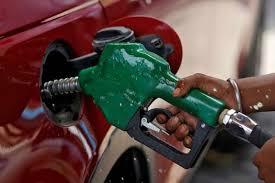
The spike has ripple effects worldwide, including in Nigeria, where higher global crude prices are feeding through to domestic fuel costs. Petrol pump prices have risen to between N1,230 and N1,300 per litre in recent weeks, despite Dangote Refinery’s dominant local supply role. The Petroleum Products Retail Outlets Owners Association of Nigeria (PETROAN) called for channeling oil windfalls into gas infrastructure investments to bolster long-term energy stability and domestic capacity.
The Nigeria Labour Congress (NLC) echoed concerns, urging government intervention to curb the impact of elevated prices on households and businesses.
Market participants remain on high alert for any further escalation or signs of resolution, as sustained disruptions could push prices even higher and exacerbate inflationary pressures globally. For now, the conflict’s grip on energy markets shows little sign of loosening.