RateCaptain
  • Home
    • About Us
    • Contact Us
  • FX Rates
  • Money Market
  • Cryptocurrency
  • Commodities
  • Corporates
No Result
View All Result
Subscribe
  • Home
    • About Us
    • Contact Us
  • FX Rates
  • Money Market
  • Cryptocurrency
  • Commodities
  • Corporates
No Result
View All Result
RateCaptain
No Result
View All Result
Home Economy

Dangote Refinery’s Dominance Sparks Monopoly Concerns in Nigeria’s N14.4tn Petrol Market

Akpan Edidong by Akpan Edidong
March 12, 2026
in Economy
Reading Time: 2 mins read
A A
0
Oil Marketers Dismiss Claims of Dangote Refinery Selling Fuel in Dollars
Share on FacebookShare on TwitterShare on WhatsappShare on Telegram

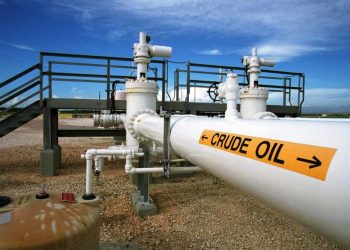
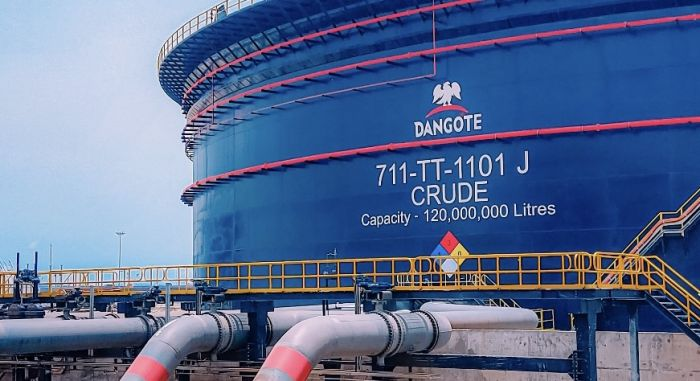
Energy experts, economists, and industry stakeholders are sounding the alarm over the Federal Government’s suspension of petrol import licences, which has effectively handed Dangote Petroleum Refinery near-total control of Nigeria’s premium motor spirit (PMS) supply valued at an estimated N14.4 trillion annually.

The Nigerian Midstream and Downstream Petroleum Regulatory Authority (NMDPRA) confirmed on Wednesday that no new import permits have been issued this year, citing sufficient domestic production to meet national demand. In its February 2026 fact sheet, the regulator reported that local refineries supplied an average of 36.5 million litres of petrol per day last month, while imports contributed just 3 million litres daily bringing total supply to 39.5 million litres per day. Dangote’s output accounted for roughly 92% of that volume, marking a dramatic reversal from Nigeria’s decades-long reliance on imported fuel.

AlsoRead

Nigerian Breweries Warns of FX Risks and Higher Inflation from Middle East Instability 

IMF Refuses to Endorse External or Domestic Borrowing for Nigeria.

FG Introduces Green Tax on High-Engine Vehicles from July 1 to Promote Cleaner Transport

At a conservative pump price of N1,000 per litre (with actual retail rates often higher amid recent adjustments), the national petrol market equates to over N14.4 trillion yearly though this figure fluctuates with global crude prices and consumption patterns.

The policy shift drew mixed reactions. Finance Minister Wale Edun, speaking on live television, reiterated the government’s commitment to market-driven pricing for petroleum products, stating that interventions would only occur as a “last resort” and that non-market measures would be avoided to protect living costs.

Professor Emeritus Wumi Iledare, an energy expert, described the NMDPRA’s announcement as a “significant policy signal” but warned it could fuel market speculation, precautionary stockpiling, opportunistic pricing, or efforts to lock in logistical advantages. He stressed the need for clear, predictable regulatory communication and verifiable supply assurances to foster competitive stability rather than mere import substitution. “The market is still searching for equilibrium between domestic output, inventory, and distribution,” he noted, pointing to February’s reduced overall supply alongside lower imports.

Professor Dayo Ayoade echoed the call for caution, emphasising that the Petroleum Industry Act empowers NMDPRA to promote competition in the downstream sector. While acknowledging that reliance on Dangote stems from the inactivity of state-owned refineries and lack of alternatives, he urged the regulator to monitor for any abuse of dominant position. “If Dangote is found abusing monopoly privileges, the authority has the power to penalise,” Ayoade said, adding that transparency in pricing and prevention of profiteering are essential duties.

The suspension aligns with efforts to boost local refining and reduce forex outflows on imports, especially amid global supply disruptions from Middle East tensions. However, critics argue that without robust competition or contingency plans for potential refinery disruptions, the country risks vulnerability to a single supplier’s output or pricing decisions.

As Dangote continues to ramp up production and prioritise domestic supply, the debate centres on balancing energy self-sufficiency with safeguards against market concentration. Stakeholders are calling for proactive oversight to ensure the shift benefits consumers through stable, competitive pricing rather than entrenching unchecked dominance.

Tags: Dangotepetrol
Previous Post

CBN Mandates AI-Powered AML Systems for Banks and Fintechs in Landmark Guidelines

Next Post

Brent Crude Surges Past $105 as Iran Conflict Enters Third Week, Heightening Global Supply Fears

Related News

US Inflation drives the Dollar to reach a two-decade high

Nigerian Breweries Warns of FX Risks and Higher Inflation from Middle East Instability 

by Victoria Attah
April 20, 2026
0

Nigerian Breweries Plc (NB Plc) has cautioned that continued instability in the Middle East could trigger foreign exchange risks, supply...

IMF Applauds Tinubu Policy Reforms While Lowering Growth Projections

IMF Refuses to Endorse External or Domestic Borrowing for Nigeria.

by Victoria Attah
April 17, 2026
0

The International Monetary Fund (IMF) has declined to recommend whether Nigeria should prioritise external or domestic borrowing, insisting instead that...

Top 6 innovative industries to watch in the Next 5 Years

FG Introduces Green Tax on High-Engine Vehicles from July 1 to Promote Cleaner Transport

by Jide Omodele
April 17, 2026
0

The Federal Government has rolled out a new environmental levy targeting vehicles with large engine capacities as part of the...

Battered Commodity Currencies Gain Attention Amid Dollar’s Decline.

Naira Hits Strongest Level Since Mid-February as Global Dollar Weakens

by Stephen Akudike
April 16, 2026
0

The Nigerian naira extended its recent rally on Wednesday, closing at N1,341.99 per US dollar in the official foreign exchange...

Next Post
Oil Prices edges higher Amidst Supply Constraints and Chinese Economic Support.

Brent Crude Surges Past $105 as Iran Conflict Enters Third Week, Heightening Global Supply Fears

Leave a Reply Cancel reply

Your email address will not be published. Required fields are marked *

Recommended

Nigeria Plans New FX Rules, Targeting 750 Naira Exchange Rate

Naira Opens New Trading Week with Slight Depreciation in Official Market

April 20, 2026
US Inflation drives the Dollar to reach a two-decade high

Nigerian Breweries Warns of FX Risks and Higher Inflation from Middle East Instability 

April 20, 2026

Popular Story

  • Nigeria Plans New FX Rules, Targeting 750 Naira Exchange Rate

    Naira Opens New Trading Week with Slight Depreciation in Official Market

    0 shares
    Share 0 Tweet 0
  • Exchange rate falls at the NAFEX window as Nigeria’s external reserve dips $1 billion

    0 shares
    Share 0 Tweet 0
  • investors Gain N65bn As Stock Market Hits Four-Month High

    0 shares
    Share 0 Tweet 0
  • Abuja BDC Operators Suspend Operations Due to Dollar Scarcity

    0 shares
    Share 0 Tweet 0
  • Canada Expedites Family Reunification Process, Contrasting UK’s Immigration Policy

    0 shares
    Share 0 Tweet 0

RateCaptain

We bring you the most accurate in new and market data. Check our landing page for details.

  • Home
  • About Us
  • Privacy Policy
  • Terms & Conditions
  • Disclaimer
  • Cookie Policy
  • Contact Us

Copyright © 2022 RateCaptain - All rights reserved by RateCaptain.

No Result
View All Result
  • Home
    • About Us
    • Contact Us
  • FX Rates
  • Money Market
  • Cryptocurrency
  • Commodities
  • Corporates

Copyright © 2022 RateCaptain - All rights reserved by RateCaptain.

RateCaptain
Manage Cookie Consent
To provide the best experiences, we use technologies like cookies to store and/or access device information. Consenting to these technologies will allow us to process data such as browsing behavior or unique IDs on this site. Not consenting or withdrawing consent, may adversely affect certain features and functions.
Functional Always active
The technical storage or access is strictly necessary for the legitimate purpose of enabling the use of a specific service explicitly requested by the subscriber or user, or for the sole purpose of carrying out the transmission of a communication over an electronic communications network.
Preferences
The technical storage or access is necessary for the legitimate purpose of storing preferences that are not requested by the subscriber or user.
Statistics
The technical storage or access that is used exclusively for statistical purposes. The technical storage or access that is used exclusively for anonymous statistical purposes. Without a subpoena, voluntary compliance on the part of your Internet Service Provider, or additional records from a third party, information stored or retrieved for this purpose alone cannot usually be used to identify you.
Marketing
The technical storage or access is required to create user profiles to send advertising, or to track the user on a website or across several websites for similar marketing purposes.
  • Manage options
  • Manage services
  • Manage {vendor_count} vendors
  • Read more about these purposes
View preferences
  • {title}
  • {title}
  • {title}
?>