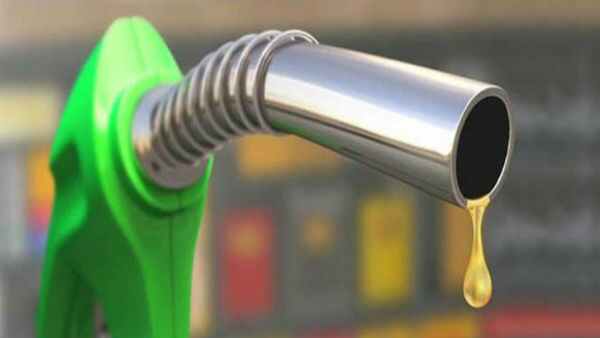
Dangote Petroleum Refinery has reduced its petrol gantry price by ₦99 per litre, bringing Premium Motor Spirit to ₦1,060 from ₦1,159. A market survey on Saturday, 21 November, put the ex-gantry cut at about 8.5 per cent.
The latest move takes the refinery’s petrol price ₦150 below the ₦1,210 level that applied before two successive reductions. The change could ease pressure on motorists as competition between locally refined petrol and imported products continues to shape prices in Nigeria’s downstream market.
Imported petrol also cheaper
Imported petrol became less expensive as well. Data from the Major Energies Marketers Association of Nigeria in its 19 November energy bulletin showed the estimated landing cost of imported petrol at ₦1,019.64 per litre, down ₦6.78 from ₦1,026.42 a day earlier.
Even after Dangote’s cut, imported petrol remained about ₦40.36 per litre cheaper than the refinery’s new gantry rate. That gap underlines how domestic refiners and importers are now adjusting prices against each other. The moves come alongside recent price reviews by major marketers, including NNPC and MRS Oil Nigeria.
Depots and pumps respond
Depot operators have also lowered rates. Recent market reports put ex-depot prices in a band of about ₦1,059 to ₦1,080 per litre. Those wholesale cuts have begun to show up at the pump in parts of the country.
Market checks found petrol prices at filling stations in Abuja and nearby areas down by between ₦25 and ₦85 per litre within seven days. Pump prices in the Federal Capital Territory ranged from about ₦1,300 to ₦1,385 per litre, depending on the station and location. NNPC, MRS, AA Rano, Mobil and other independent marketers were among outlets adjusting prices in the period.
Dangote’s lower gantry price could prompt more stations that lift from the refinery to review their pump rates. How far further cuts go will depend on existing stock, transport and operating costs, and the cost of replacing product.
What it means for motorists
If more filling stations pass the reduction through, drivers could see some relief at the pump. The episode also points to a downstream market in which local refining and imports are competing more directly on price, rather than moving in lockstep.