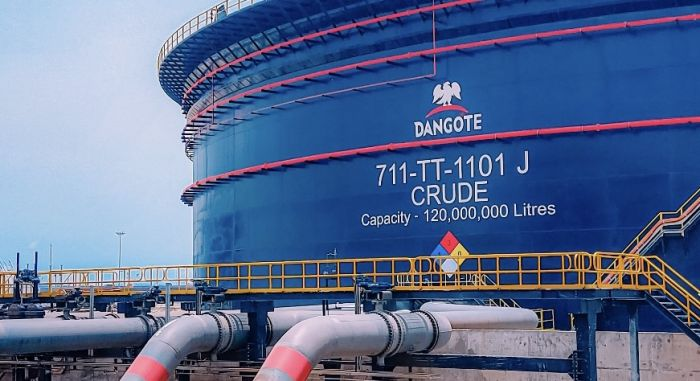
Energy experts, economists, and industry stakeholders are sounding the alarm over the Federal Government’s suspension of petrol import licences, which has effectively handed Dangote Petroleum Refinery near-total control of Nigeria’s premium motor spirit (PMS) supply valued at an estimated N14.4 trillion annually.
The Nigerian Midstream and Downstream Petroleum Regulatory Authority (NMDPRA) confirmed on Wednesday that no new import permits have been issued this year, citing sufficient domestic production to meet national demand. In its February 2026 fact sheet, the regulator reported that local refineries supplied an average of 36.5 million litres of petrol per day last month, while imports contributed just 3 million litres daily bringing total supply to 39.5 million litres per day. Dangote’s output accounted for roughly 92% of that volume, marking a dramatic reversal from Nigeria’s decades-long reliance on imported fuel.
At a conservative pump price of N1,000 per litre (with actual retail rates often higher amid recent adjustments), the national petrol market equates to over N14.4 trillion yearly though this figure fluctuates with global crude prices and consumption patterns.
The policy shift drew mixed reactions. Finance Minister Wale Edun, speaking on live television, reiterated the government’s commitment to market-driven pricing for petroleum products, stating that interventions would only occur as a “last resort” and that non-market measures would be avoided to protect living costs.
Professor Emeritus Wumi Iledare, an energy expert, described the NMDPRA’s announcement as a “significant policy signal” but warned it could fuel market speculation, precautionary stockpiling, opportunistic pricing, or efforts to lock in logistical advantages. He stressed the need for clear, predictable regulatory communication and verifiable supply assurances to foster competitive stability rather than mere import substitution. “The market is still searching for equilibrium between domestic output, inventory, and distribution,” he noted, pointing to February’s reduced overall supply alongside lower imports.
Professor Dayo Ayoade echoed the call for caution, emphasising that the Petroleum Industry Act empowers NMDPRA to promote competition in the downstream sector. While acknowledging that reliance on Dangote stems from the inactivity of state-owned refineries and lack of alternatives, he urged the regulator to monitor for any abuse of dominant position. “If Dangote is found abusing monopoly privileges, the authority has the power to penalise,” Ayoade said, adding that transparency in pricing and prevention of profiteering are essential duties.
The suspension aligns with efforts to boost local refining and reduce forex outflows on imports, especially amid global supply disruptions from Middle East tensions. However, critics argue that without robust competition or contingency plans for potential refinery disruptions, the country risks vulnerability to a single supplier’s output or pricing decisions.
As Dangote continues to ramp up production and prioritise domestic supply, the debate centres on balancing energy self-sufficiency with safeguards against market concentration. Stakeholders are calling for proactive oversight to ensure the shift benefits consumers through stable, competitive pricing rather than entrenching unchecked dominance.