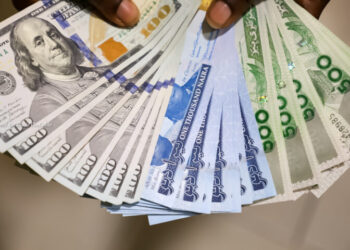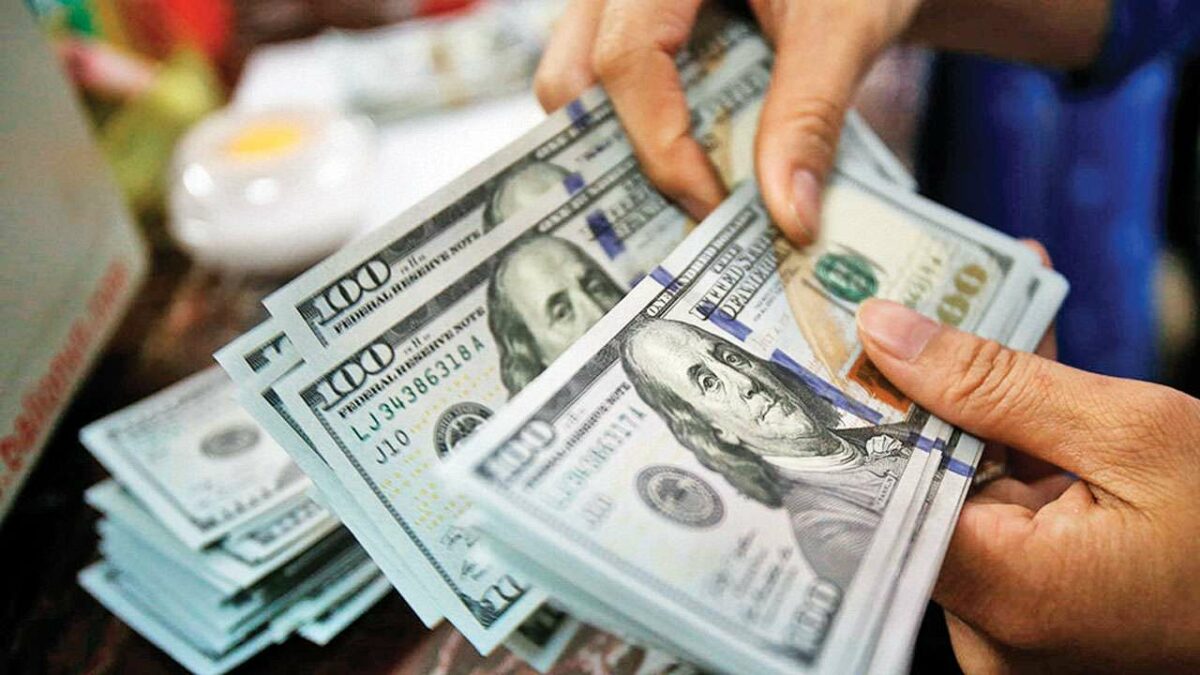
The disparity between Nigeria’s official and parallel foreign exchange rates has widened noticeably in early March 2026, driven by heightened speculative activity, constrained dollar supply at the official window, and growing demand pressures ahead of the election cycle.
As of March 3, 2026, the naira traded at N1,368.50 per US dollar in the official market (NAFEM), while the parallel (black) market rate stood at N1,390 per dollar—a gap of N21.50. This marks a reversal from earlier periods of near-convergence and contrasts with August 2025, when the official rate was N1,538 and the parallel rate N1,550, reflecting a narrower N12 difference.
Analysts attribute the divergence to a combination of structural liquidity challenges and behavioural factors in the market.
Dr. Muda Yusuf, former Director General of the Lagos Chamber of Commerce and Industry and CEO of the Centre for the Promotion of Private Enterprise, pointed to speculation as a key driver. “Not everyone is convinced the naira’s recent appreciation will hold,” he explained. “Some speculators are buying dollars now while they perceive them as relatively cheaper, anticipating a possible reversal.”
Bureau de Change operator Umar Cindo highlighted supply-side constraints and access issues as fundamental causes. “The official window continues to struggle to meet the full volume of legitimate dollar demand from importers, SMEs, parents funding overseas education, medical travellers, and corporate entities,” he said. “When access is limited or delayed, users turn to the parallel market for faster execution, pushing its rate higher and widening the premium.”
Cindo further noted that policy uncertainty and slow disbursement of allocated forex exacerbate the problem. “Even when allocations are announced, actual delivery can lag,” he added. “Businesses cannot wait indefinitely, so they pay the parallel market premium—widening the gap and creating arbitrage opportunities that encourage round-tripping.”
Yusuf also flagged rising political activity as a contributing factor. “With elections approaching, many politicians prefer holding funds in dollars for portability, ease of storage, and reduced traceability,” he observed. “These transactions typically bypass the official window and add direct pressure on the parallel market.”
Despite the current widening, earlier comments from Aminu Gwadebe, President of the Association of Bureau De Change Operators of Nigeria (ABCON), in April 2025, had reflected optimism. Gwadebe noted that speculation had eased significantly at the time, and the naira was appreciating faster than anticipated, crediting ongoing Central Bank of Nigeria (CBN) reforms for restoring relative calm to the market.
To narrow the gap, stakeholders recommend:
– Consistent and adequate dollar supply through the official window
– Faster clearance of outstanding FX obligations
– Greater transparency in allocation processes
– Enhanced regulatory oversight and increased dollar access for licensed BDC operators
The growing premium renews concerns about potential arbitrage distortions, reduced investor confidence, and the effectiveness of current forex policy implementation. Market watchers will closely monitor CBN interventions, oil revenue inflows, and geopolitical developments that could influence dollar availability and sentiment in the coming weeks.