RateCaptain
  • Home
    • About Us
    • Contact Us
  • FX Rates
  • Money Market
  • Cryptocurrency
  • Commodities
  • Corporates
No Result
View All Result
Subscribe
  • Home
    • About Us
    • Contact Us
  • FX Rates
  • Money Market
  • Cryptocurrency
  • Commodities
  • Corporates
No Result
View All Result
RateCaptain
No Result
View All Result
Home Currencies

Exploring Africa’s Most Valuable Currencies: Economic Strength on the Continent

Stephen Akudike by Stephen Akudike
October 19, 2023
in Currencies, Economics
Reading Time: 2 mins read
A A
0
Exploring Africa’s Most Valuable Currencies: Economic Strength on the Continent
Share on FacebookShare on TwitterShare on WhatsappShare on Telegram

Africa, the world’s second-largest continent, is home to a diverse array of economies and currencies. As we delve into the economic landscape of this vast and vibrant continent, we take a closer look at some of Africa’s most valuable currencies, reflecting the strength and stability of their respective nations.

1. Libyan Dinar (LYD) – Leading the Pack:
Topping the list is the Libyan Dinar (LYD). Libya’s oil-rich economy has helped bolster its currency’s value. The stability of the Libyan Dinar can be attributed to the nation’s oil exports, which remain a primary source of revenue. Although the country has faced internal challenges in recent years, its currency has maintained its value, making it one of the strongest in Africa.

AlsoRead

IMF Refuses to Endorse External or Domestic Borrowing for Nigeria.

Naira Hits Strongest Level Since Mid-February as Global Dollar Weakens

Naira Strengthens to N1,355/$ as Fragile US-Iran Ceasefire Eases Dollar Pressure

2. Tunisian Dinar (TND) – A Stable Performer:
The Tunisian Dinar (TND) has shown resilience in the face of economic challenges. Tunisia’s diverse economy, which includes agriculture, manufacturing, and tourism, has contributed to the strength of its currency. Despite political and social changes, the Tunisian Dinar remains a stable currency in the region.

3. Moroccan Dirham (MAD) – North African Economic Hub:
Morocco’s Dirham (MAD) is another notable currency in Africa. The country’s diversified economy, which includes agriculture, mining, and manufacturing, has helped maintain the Dirham’s value. Furthermore, Morocco’s strategic location as a gateway between Europe and Africa has facilitated trade and investments, supporting the currency’s strength.

4. Botswana Pula (BWP) – A Model of Stability:
Botswana’s Pula (BWP) is often regarded as one of the most stable currencies on the continent. The nation’s sound economic policies, political stability, and robust diamond mining industry have all contributed to the strength of the Pula.

5. South African Rand (ZAR) – The Continent’s Economic Powerhouse:
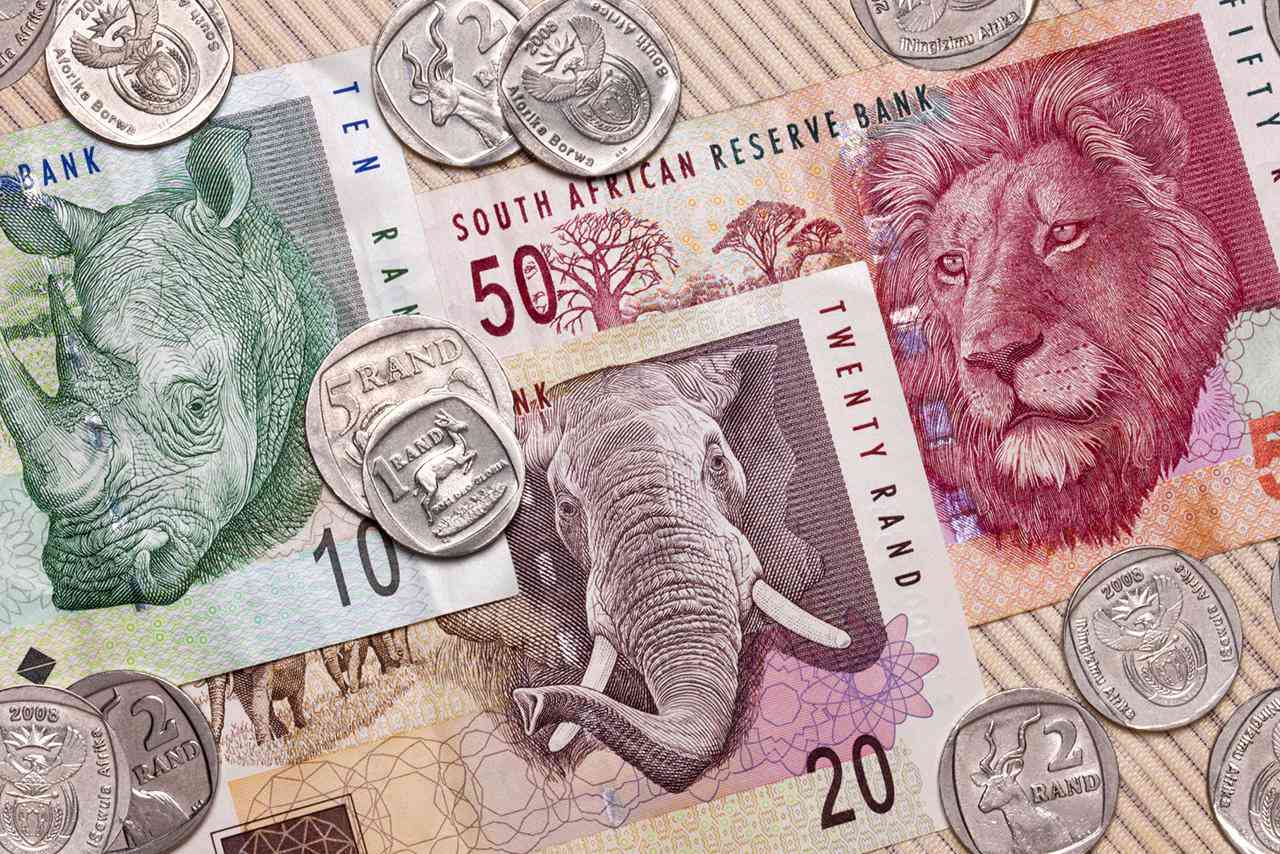
As Africa’s most industrialized and diverse economy, South Africa boasts the South African Rand (ZAR) as its currency. The Rand plays a pivotal role in the African economy and is one of the most widely traded currencies on the continent. Although it has faced some volatility in recent years, South Africa’s economic might and global trade connections keep the Rand a significant player.

6. Egyptian Pound (EGP) – Stability Amid Challenges:
Egypt’s currency, the Egyptian Pound (EGP), is another strong contender in the African currency landscape. Egypt’s diverse economy, which includes agriculture, manufacturing, and tourism, provides resilience against economic fluctuations. Despite political changes and social upheaval, the Egyptian Pound has maintained its value.

7. Ghanaian Cedi (GHS) – A Growing Force:
Ghana, with its flourishing cocoa and gold industries, is making its mark on the continent’s economic scene. The Ghanaian Cedi (GHS) has gained value over the years due to the country’s expanding economy and prudent fiscal policies.

8. Kenyan Shilling (KES) – East Africa’s Economic Hub:
Kenya, often considered East Africa’s economic powerhouse, uses the Kenyan Shilling (KES) as its currency. With a diverse economy that encompasses agriculture, manufacturing, and technology, the Kenyan Shilling reflects the country’s dynamic economic growth.

It’s important to note that currency values can fluctuate due to various factors, including economic performance, political stability, global market conditions, and external influences. While these currencies are considered some of Africa’s most valuable, the economic landscape is constantly evolving.


 

Tags: Africa's economyAfrican currenciesBotswana Pulacurrency strengthcurrency values.economic stabilityEgyptian PoundGhanaian CediKenyan ShillingLibyan DinarMoroccan DirhamSouth African randTunisian Dinarvaluable currencies
Previous Post

Sweden Raises VISA Income Criteria to N1.3 Million Per Month for Nigeria

Next Post

Netflix Shares Surge by 13.8% in Pre-market Trade as Q3 Results Exceed Expectations

Related News

IMF Applauds Tinubu Policy Reforms While Lowering Growth Projections

IMF Refuses to Endorse External or Domestic Borrowing for Nigeria.

by Victoria Attah
April 17, 2026
0

The International Monetary Fund (IMF) has declined to recommend whether Nigeria should prioritise external or domestic borrowing, insisting instead that...

Battered Commodity Currencies Gain Attention Amid Dollar’s Decline.

Naira Hits Strongest Level Since Mid-February as Global Dollar Weakens

by Stephen Akudike
April 16, 2026
0

The Nigerian naira extended its recent rally on Wednesday, closing at N1,341.99 per US dollar in the official foreign exchange...

Naira Strengthens as Anticipation Mounts for $10 Billion Forex Inflows

Naira Strengthens to N1,355/$ as Fragile US-Iran Ceasefire Eases Dollar Pressure

by Jide Omodele
April 13, 2026
0

The Nigerian naira posted a notable gain against the US dollar on Friday, closing at N1,355.25 in the official foreign...

EIU Predicts Naira’s Decline to N1,018 per Dollar Amidst Soaring Inflation.

US Dollar Weakens as Fragile Ceasefire Between US and Iran Fuels Market Uncertainty

by Jide Omodele
April 13, 2026
0

The US dollar remained under pressure on Thursday, March 26, 2026, as investors weighed the durability of a fragile two-week...

Next Post
Netflix Shares Surge by 13.8% in Pre-market Trade as Q3 Results Exceed Expectations

Netflix Shares Surge by 13.8% in Pre-market Trade as Q3 Results Exceed Expectations

Leave a Reply Cancel reply

Your email address will not be published. Required fields are marked *

Recommended

Nigerian Breweries Reports Record N145 Billion Naira Loss in 2023

Nigerian Breweries Attributes 135% Share Price Surge to Successful Recovery Strategy

April 17, 2026
Nigeria Rules Out IMF Loans Despite Rising Debt Concerns – Wale Edun

Nigeria Rules Out IMF Loans Despite Rising Debt Concerns – Wale Edun

April 17, 2026

Popular Story

  • Top 6 innovative industries to watch in the Next 5 Years

    FG Introduces Green Tax on High-Engine Vehicles from July 1 to Promote Cleaner Transport

    0 shares
    Share 0 Tweet 0
  • Nigerian Breweries Attributes 135% Share Price Surge to Successful Recovery Strategy

    0 shares
    Share 0 Tweet 0
  • IMF Refuses to Endorse External or Domestic Borrowing for Nigeria.

    0 shares
    Share 0 Tweet 0
  • Nigeria Rules Out IMF Loans Despite Rising Debt Concerns – Wale Edun

    0 shares
    Share 0 Tweet 0
  • FG Takes Governors to Supreme Court Over Local Government Allocations

    0 shares
    Share 0 Tweet 0

RateCaptain

We bring you the most accurate in new and market data. Check our landing page for details.

  • Home
  • About Us
  • Privacy Policy
  • Terms & Conditions
  • Disclaimer
  • Cookie Policy
  • Contact Us

Copyright © 2022 RateCaptain - All rights reserved by RateCaptain.

No Result
View All Result
  • Home
    • About Us
    • Contact Us
  • FX Rates
  • Money Market
  • Cryptocurrency
  • Commodities
  • Corporates

Copyright © 2022 RateCaptain - All rights reserved by RateCaptain.

RateCaptain
Manage Cookie Consent
To provide the best experiences, we use technologies like cookies to store and/or access device information. Consenting to these technologies will allow us to process data such as browsing behavior or unique IDs on this site. Not consenting or withdrawing consent, may adversely affect certain features and functions.
Functional Always active
The technical storage or access is strictly necessary for the legitimate purpose of enabling the use of a specific service explicitly requested by the subscriber or user, or for the sole purpose of carrying out the transmission of a communication over an electronic communications network.
Preferences
The technical storage or access is necessary for the legitimate purpose of storing preferences that are not requested by the subscriber or user.
Statistics
The technical storage or access that is used exclusively for statistical purposes. The technical storage or access that is used exclusively for anonymous statistical purposes. Without a subpoena, voluntary compliance on the part of your Internet Service Provider, or additional records from a third party, information stored or retrieved for this purpose alone cannot usually be used to identify you.
Marketing
The technical storage or access is required to create user profiles to send advertising, or to track the user on a website or across several websites for similar marketing purposes.
  • Manage options
  • Manage services
  • Manage {vendor_count} vendors
  • Read more about these purposes
View preferences
  • {title}
  • {title}
  • {title}
?>