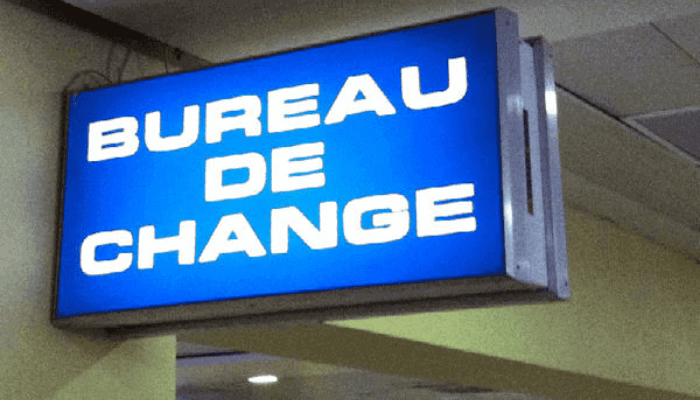
Retail foreign exchange traders operating as Bureau De Change (BDC) providers have expressed optimism that the Central Bank of Nigeria (CBN) will issue additional operating licences in the coming weeks, following the release of an initial list of 82 approved operators.
The approvals, announced by the CBN on December 8, 2025, represent the first phase of licensing under the apex bank’s revised regulatory and supervisory framework for BDC operations. Market participants view the development as a significant step in the ongoing reform of Nigeria’s retail foreign exchange market.
Despite welcoming the move, industry stakeholders note that the 82 approved operators account for only a small portion of the total applications submitted since the introduction of the new rules. Many BDCs have already met the revised capital requirements and are awaiting final clearance from the regulator.
Higher Capital Thresholds Reshape the Sector
In May 2024, the CBN unveiled new minimum capital requirements for BDC operators, raising the bar significantly from the former N35 million threshold. Under the revised structure, Tier-1 operators are required to maintain a minimum capital base of N2 billion and are permitted to operate nationwide, while Tier-2 operators must have at least N500 million in capital and are restricted to operating within a single state.
The policy, introduced under the CBN’s updated Regulatory and Supervisory Guidelines for BDC Operations, was implemented in line with the Banks and Other Financial Institutions Act (BOFIA) 2020 following consultations with industry stakeholders.
While the higher requirements have sharply reduced the number of eligible operators, the CBN has maintained that the reforms are necessary to strengthen oversight, improve transparency, and curb malpractices in the retail forex market.
Industry Leaders Expect More Approvals
Commenting on the development, the President of the Association of Bureau De Change Operators of Nigeria (ABCON), Aminu Gwadebe, explained that the published list represents only the first batch of applicants who completed the licensing process before the circular was issued.
He noted that many operators were still in the process of meeting the new requirements when the initial approvals were announced, adding that the application window remains open. According to him, the number of BDCs that have now fulfilled the conditions exceeds the 82 already approved.
Gwadebe said the CBN has assured industry stakeholders that the approval process will be expedited to accommodate qualified operators who have since completed their documentation and capitalisation.
Sharp Reduction in Number of Operators
The new framework has significantly altered the landscape of the BDC sector. ABCON disclosed that thousands of operators had already been removed from the market prior to the recapitalisation exercise due to non-compliance with existing regulations.
According to the association, stricter enforcement of compliance rules had earlier reduced the number of licensed BDCs from several thousands to about 1,600 by 2024. The introduction of higher capital requirements has further narrowed the field, leaving only a small fraction of operators eligible under the new regime.
CBN Warns Against Unlicensed Dealers
In its December 8 statement, the CBN confirmed that the 82 approved licences took effect from November 27, 2025, stressing that only operators listed on its official website are authorised to conduct BDC business.
The apex bank cautioned members of the public against patronising unlicensed forex dealers and indicated that additional names would be published as approvals are finalised. While some industry groups had earlier raised concerns over the steep increase in capital requirements, the CBN has remained firm on its position, insisting that the reforms are aimed at restoring confidence and stability in Nigeria’s foreign exchange market.