RateCaptain
  • Home
    • About Us
    • Contact Us
  • FX Rates
  • Money Market
  • Cryptocurrency
  • Commodities
  • Corporates
No Result
View All Result
Subscribe
  • Home
    • About Us
    • Contact Us
  • FX Rates
  • Money Market
  • Cryptocurrency
  • Commodities
  • Corporates
No Result
View All Result
RateCaptain
No Result
View All Result
Home Economics

Fuel Subsidy Removal: Should Nigeria Continue With a Regressive Petrol Subsidy?

Rate Captain by Rate Captain
August 9, 2022
in Economics, Energy
Reading Time: 2 mins read
A A
0
Fuel Subsidy Removal: Should Nigeria Continue With a Regressive Petrol Subsidy?
Share on FacebookShare on TwitterShare on WhatsappShare on Telegram

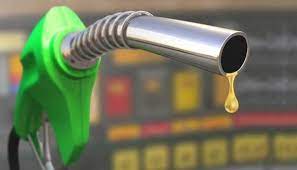
There are over 40 countries worldwide that subsidize fossil fuel consumption according to the International Energy Agency (IEA) 2020, and the rising global oil prices compounded by the war in Ukraine raise important concerns about maintaining this fiscal expenditure.

In Nigeria, the government spent $4.5 billion (about 2 percent of its Gross Domestic Product-GDP) to subsidize petrol in 2021. This amount expended, according to the World Bank exceeds the government’s spending on health, education, and social protection. Without a doubt, finding a solution to Nigeria’s subsidy problem will have a positive pass-through effect on the federal government’s public finance.

AlsoRead

Nigeria Champions $2 Trillion Commonwealth Trade Goal at IMF, World Bank Meetings

Nigeria’s Inflation Eases to 20.12% in August, Prompting Calls for CBN Rate Cuts

Petrol Pump Manipulation Surges in Nigeria, Cheating Consumers Nationwide

According to the Nigeria Development Update (NDU) report from the World Bank in June 2022, fuel subsidies typically benefit richer households more than poorer households; making them regressive, and offsetting the government’s spending on pro-poor causes. What this means is that the government’s expenses to reduce fuel prices in Nigeria benefit the poor the least.

Also, according to analysts at Chapel Hill Denham Securities, the Nigerian government subsidizes foreign consumers of petrol. These analysts stated that only 40.6 million liters out of the 56.44 million liters of NNPC’s estimated daily PMS consumption are consumed by Nigerians, with the balanced being smuggled to neighboring African countries.

This smuggling activity flourishes on the back of the arbitrage opportunity created by relatively cheaper petrol in Nigeria, as Nigerians pay one of the lowest prices for petrol in the world. According to Global Petrol Prices, Nigerians pay the eighth-lowest petrol price in the world.

It is therefore evident that the petrol subsidy disproportionately benefits richer Nigerians, and the potential benefits of removing it are clear, Yet the government’s attempts to reform the subsidized fuel regime have practically faced strong resistance from the public and have often caused the government to retrogress.

For Nigerians, trading off fuel subsidies for other pro-poor investments such as health, education, and social protection, despite having more benefits for the poor seems to be downplayed. This resistance to fuel subsidy removal is perhaps because the people do not really understand its benefit or that they do not trust the government enough to compensate them for their welfare loss with the potential fiscal savings.

Taking a Closer Look at the Nigerian Business Environment.

The spike in the global commodity market stemming from supply chain disruption and the war in Ukraine has caused the price of oil to rise. This up-tick in oil price is expected to have a windfall benefit to a major oil-exporting country like Nigeria however, the economic outlook for Nigeria is still challenging as rising oil prices also means a rising cost of importing refined oil products and an increased subsidy cost. Also, exchange rate premiums in the official and black markets partly erode the potential impact of rising government revenue.

According to the World Bank, there is an increasing urgency to do business unusual in Nigeria. This therefore means an increasing need to divert the subsidy expenditure to other pro-poor infrastructural spending such as health, education, social protection, and so on. However, without countervailing measures, subsidy removal may exacerbate inflationary pressures and cause poor and vulnerable Nigerians to still suffer in the short run.

Nevertheless, we believe the Nigerian economy can even reap a multitude of benefits from subsidy removal, ranging from improved oil export proceeds to better pro-poor capital expenditure spending and a permanent solution to the incessant fuel crises in the country.

Previous Post

Venture capital (VC) investment in crypto companies plunged by 26%.

Next Post

Naira Hits N430.33/$1 at the Investors and Exporters (I&E) Window as Demand for the Greenback Remains Unmet

Related News

FG Allocates N5.1 Billion for Presidential Yacht and N5.5 Billion For Student Loans

Nigeria Champions $2 Trillion Commonwealth Trade Goal at IMF, World Bank Meetings

by Victoria Attah
October 14, 2025
0

Nigeria has aligned with fellow Commonwealth nations to advocate for a $2 trillion trade initiative aimed at boosting economic collaboration,...

Nigeria’s Inflation Eases to 20.12% in August, Prompting Calls for CBN Rate Cuts

by Stephen Akudike
September 16, 2025
0

Nigeria’s headline inflation rate dropped to 20.12% in August 2025, marking its fifth consecutive month of decline from 21.88% in...

Petrol Pump Manipulation Surges in Nigeria, Cheating Consumers Nationwide

by Akpan Edidong
September 15, 2025
0

Petrol attendants across Nigeria are increasingly manipulating fuel pumps to shortchange consumers, costing the nation millions of liters of Premium...

NNPCL Reports Record Profit of N2.548tn, Uncovers 52 Illegal Refineries

FG Reserves NNPCL Tax Credit Road Contracts Under N20 Billion for Local Firms

by Akpan Edidong
September 10, 2025
0

The Federal Government has implemented a new policy under its “Nigeria First” initiative, restricting NNPCL Tax Credit road contracts valued...

Next Post
Naira Hits N430.33/$1 at the Investors and Exporters (I&E) Window as Demand for the Greenback Remains Unmet

Naira Hits N430.33/$1 at the Investors and Exporters (I&E) Window as Demand for the Greenback Remains Unmet

Leave a Reply Cancel reply

Your email address will not be published. Required fields are marked *

Recommended

2024 Budget Outline: Oil Price Set at $77.96, Naira Stands at 750 Against the Dollar

Nigeria and UAE Sign Landmark Trade Deal to Eliminate Tariffs on Thousands of Products

January 27, 2026
 Top Story: Central Bank Raises MPR by 200 Basis Points to 24.75%

National Grid Collapses Again, Plunging Nigeria into Nationwide Blackout

January 27, 2026

Popular Story

  • 2024 Budget Outline: Oil Price Set at $77.96, Naira Stands at 750 Against the Dollar

    Nigeria and UAE Sign Landmark Trade Deal to Eliminate Tariffs on Thousands of Products

    0 shares
    Share 0 Tweet 0
  • Dangote Refinery Suspends Petrol Sales and Cancels Contracts as Crude Supply Issues Bite

    0 shares
    Share 0 Tweet 0
  • US Records $1.45 Billion Trade Surplus with Nigeria in First 10 Months of 2025 as Exports Surge 60%

    0 shares
    Share 0 Tweet 0
  • Nigeria Customs Service Surpasses N7.2 Trillion Revenue Target in 2025

    0 shares
    Share 0 Tweet 0
  • National Grid Collapses Again, Plunging Nigeria into Nationwide Blackout

    0 shares
    Share 0 Tweet 0
RateCaptain

RateCaptain

We bring you the most accurate in new and market data. Check our landing page for details.

  • Home
  • About Us
  • Privacy Policy
  • Terms & Conditions
  • Disclaimer
  • Cookie Policy
  • Contact Us

Copyright © 2022 RateCaptain - All rights reserved by RateCaptain.

No Result
View All Result
  • Home
    • About Us
    • Contact Us
  • FX Rates
  • Money Market
  • Cryptocurrency
  • Commodities
  • Corporates

Copyright © 2022 RateCaptain - All rights reserved by RateCaptain.

RateCaptain
Manage Cookie Consent
To provide the best experiences, we use technologies like cookies to store and/or access device information. Consenting to these technologies will allow us to process data such as browsing behavior or unique IDs on this site. Not consenting or withdrawing consent, may adversely affect certain features and functions.
Functional Always active
The technical storage or access is strictly necessary for the legitimate purpose of enabling the use of a specific service explicitly requested by the subscriber or user, or for the sole purpose of carrying out the transmission of a communication over an electronic communications network.
Preferences
The technical storage or access is necessary for the legitimate purpose of storing preferences that are not requested by the subscriber or user.
Statistics
The technical storage or access that is used exclusively for statistical purposes. The technical storage or access that is used exclusively for anonymous statistical purposes. Without a subpoena, voluntary compliance on the part of your Internet Service Provider, or additional records from a third party, information stored or retrieved for this purpose alone cannot usually be used to identify you.
Marketing
The technical storage or access is required to create user profiles to send advertising, or to track the user on a website or across several websites for similar marketing purposes.
  • Manage options
  • Manage services
  • Manage {vendor_count} vendors
  • Read more about these purposes
View preferences
  • {title}
  • {title}
  • {title}
?>