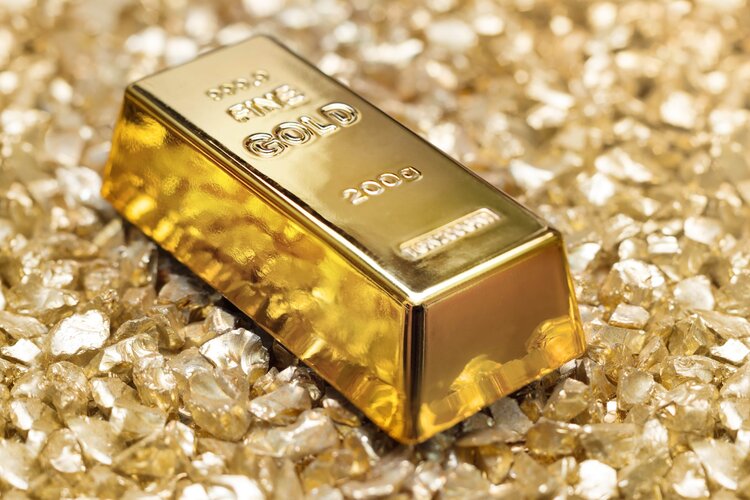
Gold prices have shattered yet another record, surging to an all-time high of $4,600 per ounce on Monday morning amid mounting fears that the independence of the U.S. Federal Reserve is under serious threat.
The precious metal jumped roughly 2% in early trading, eclipsing the previous peak set just last December and continuing a remarkable 70% rally over the past 12 months. The spike reflects a classic rush to safe-haven assets as investors grow increasingly nervous about political interference in U.S. monetary policy.
The trigger came straight from Federal Reserve Chair Jerome Powell himself. In a rare public statement over the weekend, Powell disclosed that he now faces the possibility of a criminal indictment related to his congressional testimony about costly renovations at the Fed’s headquarters. He described the development as a direct challenge to the central bank’s ability to make decisions free from political pressure.
The revelation has intensified an already tense standoff between President Donald Trump and the Fed. Trump has repeatedly criticised Powell for not slashing interest rates quickly enough, arguing that faster cuts would boost economic growth. Powell’s warning that the probe could undermine the Fed’s credibility sent shockwaves through global markets.
The U.S. dollar weakened noticeably in response. The British pound climbed nearly 0.5% to 1.346 against the greenback, while the euro rose about 0.4% to 1.168. Analysts say the currency moves underscore broader concerns about the long-term stability of U.S. monetary policy.
Susannah Streeter, chief investment strategist at Wealth Club, told reporters: “Wall Street is rattled by what looks like a direct assault on the Fed’s independence. A strong, impartial central bank is essential for credible policy-making – especially when the U.S. national debt is under intense scrutiny.”
Chris Beauchamp, chief market analyst at IG, added that the ongoing public clash could fuel fresh doubts about the dollar’s global standing and the direction of American interest rates in the months ahead.
In London, the FTSE 100 paused after recently crossing the psychologically important 10,000-point level for the first time, trading around 10,123 by mid-morning. One of the session’s notable laggards was Barclays, whose shares fell about 2.5%. The drop came after President Trump renewed his call for a one-year cap of 10% on credit card interest rates in the United States, claiming consumers are being “ripped off” by high charges.
Russ Mould, investment director at AJ Bell, cautioned that while lower rates would be popular with cardholders, implementing such a cap would likely require Congressional approval and could have unintended consequences. “Lenders might respond by tightening credit standards or reducing availability altogether,” he noted.
With geopolitical tensions, persistent inflation worries, and now this unprecedented political pressure on the Fed, gold’s appeal as a hedge against uncertainty has never been stronger. Investors are watching closely: if the situation escalates further, the precious metal’s upward trajectory could accelerate even more.