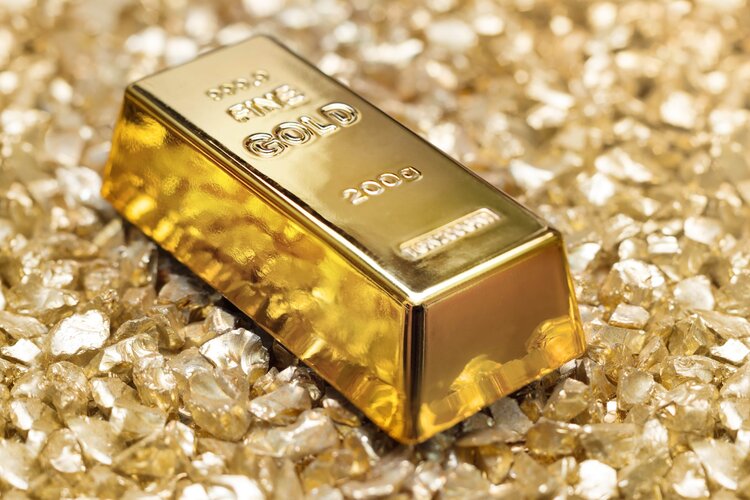
African gold-producing nations are accelerating investment in local refineries as governments seek to retain more value from the metal, strengthen foreign-exchange earnings and assert greater control over a commodity that continues to trade at elevated levels.
Spot gold stood at $4,181.59 an ounce on 2 October, according to Reuters. Although the metal was heading for a second consecutive weekly decline down more than 2 per cent for the week and had fallen about 6 per cent in September, it remains firmly above $4,000 an ounce after peaking at a record $5,594.82 in late January. The high price environment has intensified efforts across the continent to move beyond the export of gold doré and capture refining, assaying and related financial activity at home.
Burkina Faso Opens First Refinery
Burkina Faso inaugurated its first gold refinery in Ouagadougou on Monday. The Raffinor-BF plant, built at a cost of more than 11 billion CFA francs (about $19 million), has an initial annual capacity of 164 tonnes and plans to expand to 515 tonnes. The country produced roughly 94 tonnes of gold last year, suggesting the upgraded facility could eventually process material from neighbouring producers.
President Ibrahim Traoré said the government wants full control over the mineral value chain. “We want to refine all our metals on site… We want to have control of the entire value chain,” he stated.
South Africa has long experience in this area. Rand Refinery, established in 1920 after local producers decided to stop shipping crude bullion to London, remains a major regional processor and an LBMA-accredited refiner.
Ghana Tightens Rules and Builds Capacity
Ghana is deepening its refining industry through both commercial partnerships and regulation. In February the Ghana Gold Board (GoldBod) began refining artisanal and small-scale mining gold at Gold Coast Refinery under an agreement to supply up to one tonne of doré a week. The facility has a capacity exceeding 80 tonnes a year, with technical, operational and commercial support from South Africa’s Rand Refinery as it works towards international standards.
The initiative has now become a regulatory requirement. From 1 September, licensed self-financing aggregators must refine gold doré in Ghana before export; unrefined material is no longer eligible for export approval. From 1 October, X-ray fluorescence (XRF) replaced the water-density method as the definitive measure of purity for doré purchased by GoldBod and its licensed buyers.
GoldBod projects $1.4 billion in foreign-exchange earnings for September, of which up to $700 million could go to commercial banks and another $700 million potentially to the Bank of Ghana under the Ghana Accelerated National Reserve Accumulation Programme. From July the agency also began purchasing 30 per cent of large-scale mining output. That doré is refined locally before being sent to an LBMA refinery for melting and stamping and then delivered to the central bank as part of the country’s reserves.
Joseph Nnanna, chief economist at the Development Bank of Nigeria, stressed that lasting value depends on downstream processing. “Gold, like any other natural resource, can only deliver sustainable value when it is processed along a full value chain,” he said. “Building strong value chains is essential for achieving sustainable economic growth.”
DRC and Ivory Coast Join the Push
The Democratic Republic of Congo launched its first pilot gold refinery in Kalemie, Tanganyika province, in March. DRC Gold Refinery S.A., a partnership between state-owned DRC Gold Trading S.A. and private firm Lunga Mining, has a monthly capacity of 500 to 600 kilogrammes. The plant covers the chain from purchasing through refining to the production of bullion with purity of up to 99.9 per cent. Authorities say the facility is intended to increase local processing, improve oversight of production, formalise the artisanal sector and reduce illicit trade.
Ivory Coast is also advancing plans for a gold refinery, targeting a 2027 start as it aims to strengthen its position among the continent’s leading producers.
Across the region, governments are treating local refining not only as an industrial project but as a strategic tool for capturing greater economic benefit from one of Africa’s most valuable mineral exports.