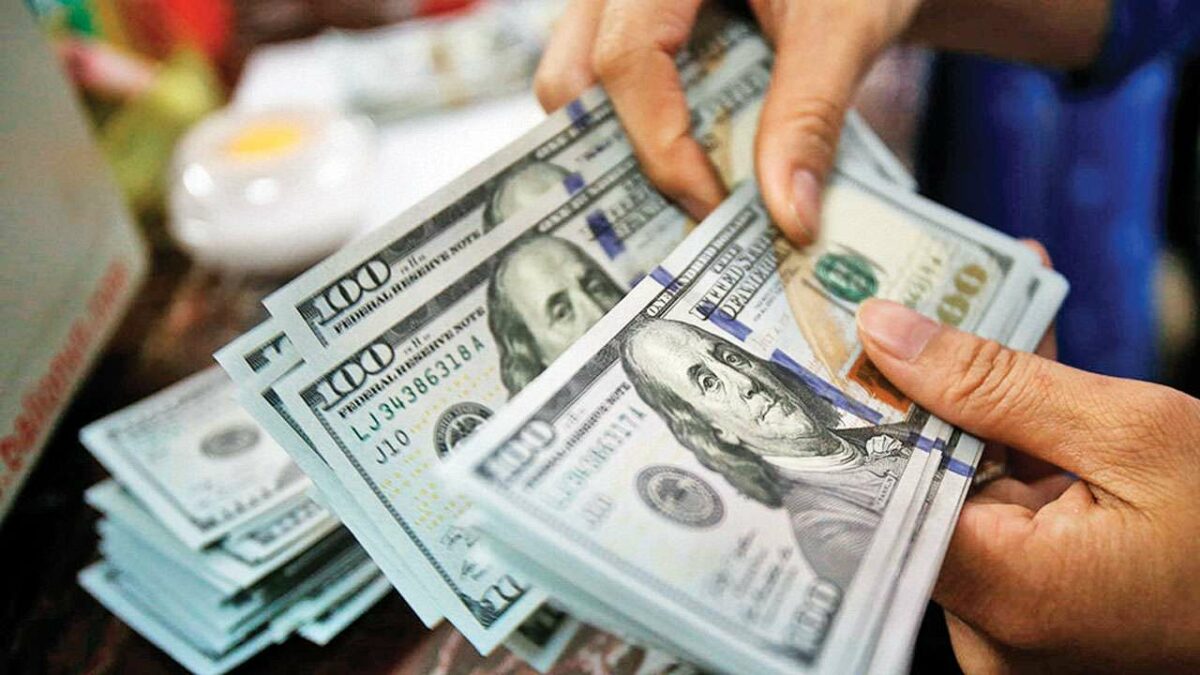
The Nigerian naira weakened to N1,565/$1 in the parallel market on July 31, 2025, reflecting heightened volatility amid rising demand and a robust U.S. dollar, according to market surveys in Lagos. In the official Nigerian Foreign Exchange Market (NFEM), the naira closed at N1,533.5/$1, a marginal 0.25% decline from June’s N1,529.71/$1, per Central Bank of Nigeria (CBN) data. The gap between parallel and official rates widened to N30/$1, signaling persistent speculative pressures.
Mid-July saw the naira briefly strengthen to a four-month high of N1,518/$1 on July 14, its best performance since March. However, it later stabilized between N1,530 and N1,535/$1. The CBN’s reforms, including unified exchange rates and incentives for foreign inflows, have supported relative stability in 2025, despite seasonal demand spikes from summer travel by Nigeria’s upper-middle class. United Capital Research forecasts the naira closing the year between N1,490 and N1,520/$1, citing potential for further appreciation with sustained investor confidence.
Globally, the U.S. dollar index recorded its first monthly gain of 2025, driven by optimism in U.S. markets and easing U.S.-China trade tensions. The Federal Reserve’s decision on July 30 to maintain interest rates, despite pressure from President Trump for cuts, bolstered the dollar, which neared a two-month high. Fed Chairman Jerome Powell emphasized a cautious approach, citing stable core PCE inflation at 2.7% and a slight rise in annual inflation to 2.5%. Market expectations for a September rate cut dropped to 43% from 63%, with investors scaling back bets on 2025 rate reductions.
The naira’s vulnerability to a stronger dollar and global economic shifts, including geopolitical tensions, underscores the CBN’s challenge in balancing forex stability with domestic inflation, which eased to 22.22% in June. Renaissance Capital predicts a potential 26% naira depreciation against its historical real effective exchange rate, though recent reforms and $4.1 billion in CBN interventions in H1 2025 have mitigated imported inflation. As global and local pressures persist, Nigeria’s forex market outlook hinges on sustained policy discipline and investor trust.