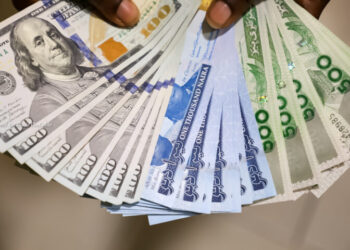
The naira exhibited a mixed performance last week, with a slight 0.01% appreciation in the Nigerian Foreign Exchange Market (NFEM), closing at N1,533.57 per dollar compared to N1,533.74 the previous week, according to the Cowry weekly report. However, in the parallel market, the naira weakened by 0.52%, ending at an average of N1,545 per dollar, driven by heightened demand for foreign exchange amid liquidity challenges.
Aminu Gwadabe, National President of the Association of Bureau De Change Operators of Nigeria, highlighted liquidity as the primary issue, exacerbated by seasonal travel demands. “The surge in forex demand, particularly from travelers, is putting pressure on the naira, widening the spread between official and parallel market rates,” Gwadabe told The PUNCH. This follows the recent reinstatement of naira debit cards for international transactions by Nigerian banks, reversing a 2022 restriction.
Analysts at Cowry Asset Management Limited remain optimistic, forecasting sustained marginal naira gains in the coming week, supported by the Central Bank of Nigeria’s (CBN) ongoing interventions. Despite global trade tensions and declining crude oil prices, the CBN’s efforts to boost liquidity and manage demand are expected to stabilize the currency, particularly in the official market. AIICO Capital noted that the CBN’s recent clearance of all outstanding FX forward contracts has further strengthened the naira’s performance at NFEM.
On August 7, 2025, the CBN announced the completion of a forensic audit of FX forward contracts, uncovering significant irregularities, including mismatched company names, unauthorized imports, and inflated sales values. The CBN has settled all valid claims and is considering legal action against violators, marking the closure of undelivered contract cases. These measures aim to enhance transparency and curb speculative practices in the forex market.
While external pressures like volatile oil prices pose risks, the CBN’s policy refinements and increased liquidity are expected to maintain near-term stability. The naira’s performance reflects a delicate balance between domestic reforms and global economic challenges, with stakeholders hopeful that continued interventions will mitigate sharp depreciations and foster confidence in Nigeria’s currency market.