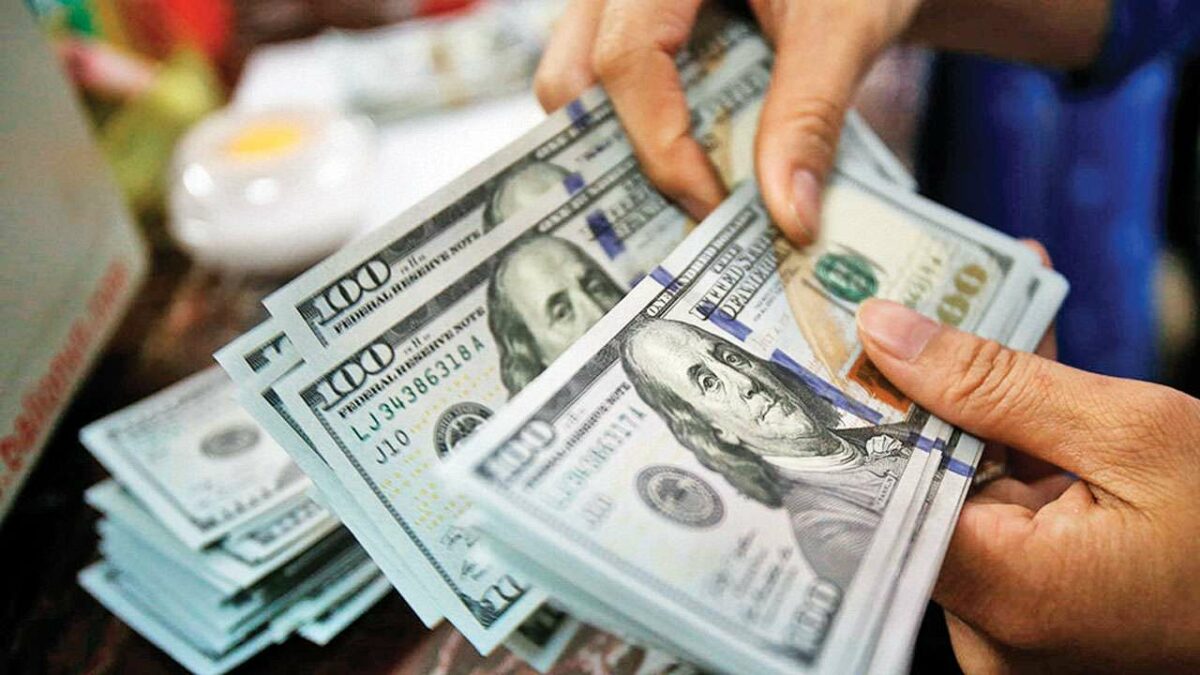
The Nigerian naira recorded a modest depreciation against the United States dollar in early trading on Thursday, April 23, 2026, as mid-week demand for the greenback exerted pressure on both the official and parallel foreign exchange markets .
Official Market Performance
In the Nigerian Foreign Exchange Market (NFEM), the naira opened trading at an average of N1,351.59 per dollar, according to real-time data from the FMDQ Securities Exchange . The rate represents a slight decline from earlier in the week when the local currency had found support near the N1,347 level .
Data from the Central Bank of Nigeria showed that the naira traded at N1,348.4492 per dollar at the official window on Wednesday, April 22, representing a slight appreciation of approximately N2 from Tuesday’s close of N1,350.7402 . However, the modest gains proved short-lived as Thursday trading opened weaker.
The Central Bank of Nigeria has maintained its managed float policy, intervening as needed to curb excessive volatility while ensuring that essential sectors maintain access to foreign currency . Market turnover at the official window remains a key focus for investors monitoring liquidity conditions.
Parallel Market Trends
The gap between the official and parallel markets widened further on Thursday, with the informal market trading at a significant premium. Early morning reports from Bureau De Change operators in major commercial hubs—including Lagos (Ikeja and Broad Street), Abuja (Wuse Zone 4), and Kano—indicated that the dollar was being exchanged at rates ranging between N1,465 and N1,480 .
The widening spread, currently sitting at approximately 113 naira above the official rate, reflects persistent unmet demand from small-scale importers and individuals seeking personal travel allowances who often find official channels more difficult to access . Some traders reported the parallel market rate holding steady around N1,390 to N1,400 per dollar earlier in the week before the latest uptick .
Factors Influencing the Market
Currency dealers attribute the sustained demand pressure to several factors. Importers seeking dollars for business operations, alongside individuals requiring foreign currency for travel, education, and medical expenses, continue to drive parallel market activity .
Analysts note that while dollar supply from remittances and other inflows provides some balance, the demand consistently outpaces available liquidity outside the official framework. The naira’s performance remains sensitive to global oil prices, foreign investor sentiment, and domestic economic policies aimed at boosting non-oil exports .
Policy Context
The latest exchange rate movements come amid ongoing foreign exchange reforms by the Central Bank of Nigeria. The apex bank has introduced several measures to stabilize the currency and improve market transparency, including recently mandating that all International Money Transfer Operators open naira settlement accounts beginning May 1, 2026 .
Additionally, the CBN has lifted restrictions that previously limited international oil companies’ access to their export proceeds, now allowing them to repatriate 100 percent of their foreign exchange earnings through authorized dealer banks . These reforms aim to boost liquidity in the official market and gradually narrow the gap between the parallel and official rates.
Outlook
While some analysts point to gradual improvements in dollar availability through official channels, many businesses and households continue to rely on the parallel market for quicker access to foreign currency, albeit at a significant premium . Market observers will be watching for further Central Bank interventions and the potential impact of ongoing policy reforms on exchange rate stability in the coming weeks.