RateCaptain
  • Home
    • About Us
    • Contact Us
  • FX Rates
  • Money Market
  • Cryptocurrency
  • Commodities
  • Corporates
No Result
View All Result
Subscribe
  • Home
    • About Us
    • Contact Us
  • FX Rates
  • Money Market
  • Cryptocurrency
  • Commodities
  • Corporates
No Result
View All Result
RateCaptain
No Result
View All Result
Home Economy

Nigeria Faces Looming Cooking Gas Price Surge Amidst Global LNG Shortage.

Stephen Akudike by Stephen Akudike
September 12, 2023
in Economy, inflation
Reading Time: 2 mins read
A A
0
Nigeria Faces Looming Cooking Gas Price Surge Amidst Global LNG Shortage.
Share on FacebookShare on TwitterShare on WhatsappShare on Telegram

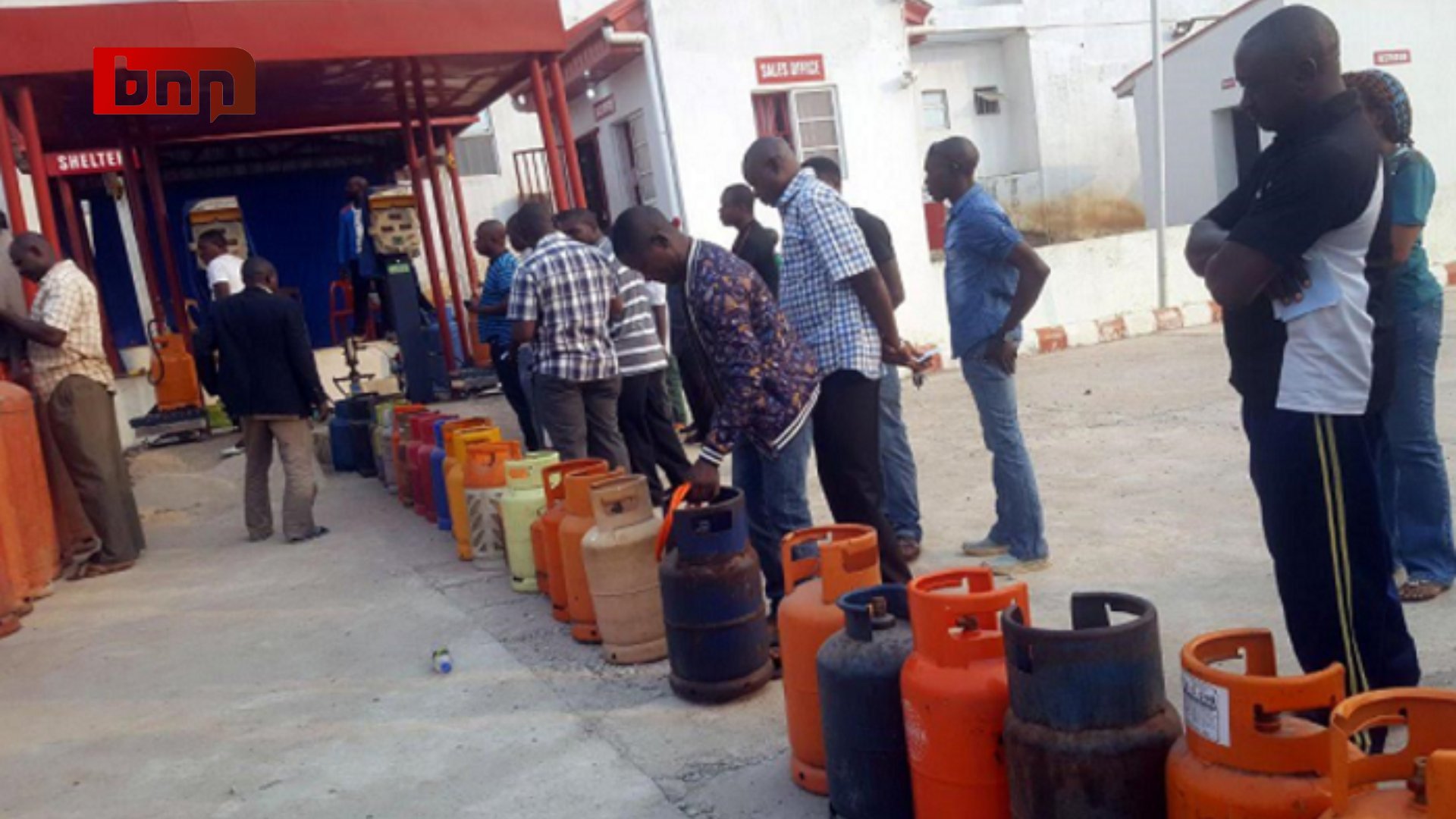
The retail price of Liquefied Petroleum Gas (LPG), commonly known as cooking gas, in Nigeria is expected to experience a substantial increase in the coming months due to a shortage of Liquified Natural Gas (LNG) vessels. This scarcity is leading to charter rate hikes, a situation that has significant implications for the 2023 winter season when demand for heating fuel, including LNG, peaks. This concerning revelation stems from data provided by Spark Commodities, shedding light on the interconnectedness of global energy markets.

As of August 1, 2023, charter rates for LNG vessels have surged dramatically. The rates reached $284,750 per day for November and $206,750 per day for October. This stark increase represents more than a doubling from the current levels of $70,500 per day.

AlsoRead

Is the World Underestimating Nigeria?

Dangote Refinery Reduces Aviation Fuel Price to N1,650 per Litre

CBN Denies Heavy Intervention in FX Market, Highlights Minimal Participation

Earlier in March 2023, Spark Commodities assessed the cost of transporting an April cargo from the United States to Europe, estimating it at $49,500 per day. These steep increases in charter rates highlight the growing strain on LNG vessel availability, which is projected to have far-reaching effects on global energy prices.

The Nigerian LPG prices are internationally benchmarked based on the Nigerian Liquefied Natural Gas Contract Price (NLNG CP), which is influenced by international price dynamics. This means that fluctuations in the global LNG market directly impact domestic LPG prices.

The fluctuation of the NLNG CP is a monthly occurrence, leading to price adjustments in Nigeria’s LPG market, sometimes as frequently as once to three times per month. The recent decrease in LPG prices from an average of N730 per kilogram in June to around N600/kg in July 2023 was influenced by international reference prices and the USD/Naira exchange rate.

This surge in LNG prices is not unique to Nigeria. A report by Bloomberg highlights that LNG traders are likely to pay more than $200,000 a day for shipping in the upcoming months due to limited tanker availability, a trend exacerbated by traders using these ships as floating storage in anticipation of rising LNG prices during colder months.

The interconnected nature of LNG markets is becoming more evident, with charter rates and shipping costs impacting both global traders and end consumers. The volatility of the shipping market, in turn, impacts the overall price of LNG, and by extension, domestic LPG prices.

The challenges of securing enough LNG vessels have grown more pronounced, with the number of LNG vessels floating on water for at least 20 days increasing by 27 percent compared to the same time the previous year. This further underscores the global struggle to meet demand.

The situation is compounded by the exchange rate, as the international price of LPG is denominated in US dollars. The fluctuating Nigerian Naira exchange rate, currently at N770/$ (official) and N885/$ (black market), directly affects the domestic price of LPG.

The LPG market in Nigeria faces additional hurdles such as the shortage of discharge terminals, storage and distribution infrastructure, and inadequate local production. Despite the Nigerian LPG industry’s growth, domestic consumption remains comparatively low, with Nigeria having the lowest per capita consumption of cooking gas in comparison to other African nations.

Emmanuel Uwandu, CEO of Gas 360, emphasizes that the impending rise in LNG prices during winter holds significant implications for Nigeria’s LPG prices. The connection between global LNG and domestic LPG prices means that international market dynamics directly affect the cost of LPG in Nigeria. The current scenario highlights the delicate balance between international market trends, supply and demand, and local pricing policies. As Nigeria navigates this complex landscape, policymakers, traders, and consumers alike must consider the intricate interplay of factors impacting energy prices and availability.
Tags: Charter RatesCooking GasDomestic ConsumptionEnergy DynamicsEnergy MarketEnergy PricesGlobal DemandInternational MarketsLNG VesselsLPGPrice surgeSupply and DemandWinter Demand
Previous Post

US Expresses Concerns Over Chinese Influence in Nigeria Through Loans

Next Post

OPay Announces New Job Opening for Sales Manager Position

Related News

Exploring the data on multidimensional and monetary poverty in Nigeria.

Is the World Underestimating Nigeria?

by Stephen Akudike
May 21, 2026
0

For years, conversations about the future of global power have sounded familiar. China. The United States. India. Perhaps the European...

Airlines Implement Time-Saving Strategies for More Efficient Operations

Dangote Refinery Reduces Aviation Fuel Price to N1,650 per Litre

by Akpan Edidong
May 21, 2026
0

Dangote Petroleum Refinery & Petrochemicals has announced a significant reduction in the price of Jet A1 (aviation fuel), slashing it...

NEC Affirms CBN $3 Billion Loan for Naira Stability

CBN Denies Heavy Intervention in FX Market, Highlights Minimal Participation

by Jide Omodele
May 21, 2026
0

The Central Bank of Nigeria (CBN) has refuted allegations of aggressive intervention in the foreign exchange market, insisting that its...

World Bank Emphasizes Cash Transfers to Break Poverty Cycle in Nigeria

Global Carbon Pricing Revenue Surpasses $107 Billion in 2025 – World Bank

by Victoria Attah
May 20, 2026
0

The World Bank has reported that revenues generated from carbon pricing mechanisms worldwide exceeded $107 billion in 2025, marking another...

Next Post
OPay Announces New Job Opening for Sales Manager Position

OPay Announces New Job Opening for Sales Manager Position

Leave a Reply Cancel reply

Your email address will not be published. Required fields are marked *

Recommended

Exploring the data on multidimensional and monetary poverty in Nigeria.

Is the World Underestimating Nigeria?

May 21, 2026
Standard Chartered Bank Job Opening: Data Analyst

End Times : Standard Chartered to Cut Over 7,800 Jobs Worldwide Due to AI

May 21, 2026

Popular Story

  • NEC Affirms CBN $3 Billion Loan for Naira Stability

    CBN Denies Heavy Intervention in FX Market, Highlights Minimal Participation

    0 shares
    Share 0 Tweet 0
  • Is the World Underestimating Nigeria?

    0 shares
    Share 0 Tweet 0
  • End Times : Standard Chartered to Cut Over 7,800 Jobs Worldwide Due to AI

    0 shares
    Share 0 Tweet 0
  • Dangote Refinery Reduces Aviation Fuel Price to N1,650 per Litre

    0 shares
    Share 0 Tweet 0
  • Global Carbon Pricing Revenue Surpasses $107 Billion in 2025 – World Bank

    0 shares
    Share 0 Tweet 0

RateCaptain

We bring you the most accurate in new and market data. Check our landing page for details.

  • Home
  • About Us
  • Privacy Policy
  • Terms & Conditions
  • Disclaimer
  • Cookie Policy
  • Contact Us

Copyright © 2022 RateCaptain - All rights reserved by RateCaptain.

No Result
View All Result
  • Home
    • About Us
    • Contact Us
  • FX Rates
  • Money Market
  • Cryptocurrency
  • Commodities
  • Corporates

Copyright © 2022 RateCaptain - All rights reserved by RateCaptain.

RateCaptain
Manage Cookie Consent
To provide the best experiences, we use technologies like cookies to store and/or access device information. Consenting to these technologies will allow us to process data such as browsing behavior or unique IDs on this site. Not consenting or withdrawing consent, may adversely affect certain features and functions.
Functional Always active
The technical storage or access is strictly necessary for the legitimate purpose of enabling the use of a specific service explicitly requested by the subscriber or user, or for the sole purpose of carrying out the transmission of a communication over an electronic communications network.
Preferences
The technical storage or access is necessary for the legitimate purpose of storing preferences that are not requested by the subscriber or user.
Statistics
The technical storage or access that is used exclusively for statistical purposes. The technical storage or access that is used exclusively for anonymous statistical purposes. Without a subpoena, voluntary compliance on the part of your Internet Service Provider, or additional records from a third party, information stored or retrieved for this purpose alone cannot usually be used to identify you.
Marketing
The technical storage or access is required to create user profiles to send advertising, or to track the user on a website or across several websites for similar marketing purposes.
  • Manage options
  • Manage services
  • Manage {vendor_count} vendors
  • Read more about these purposes
View preferences
  • {title}
  • {title}
  • {title}
?>