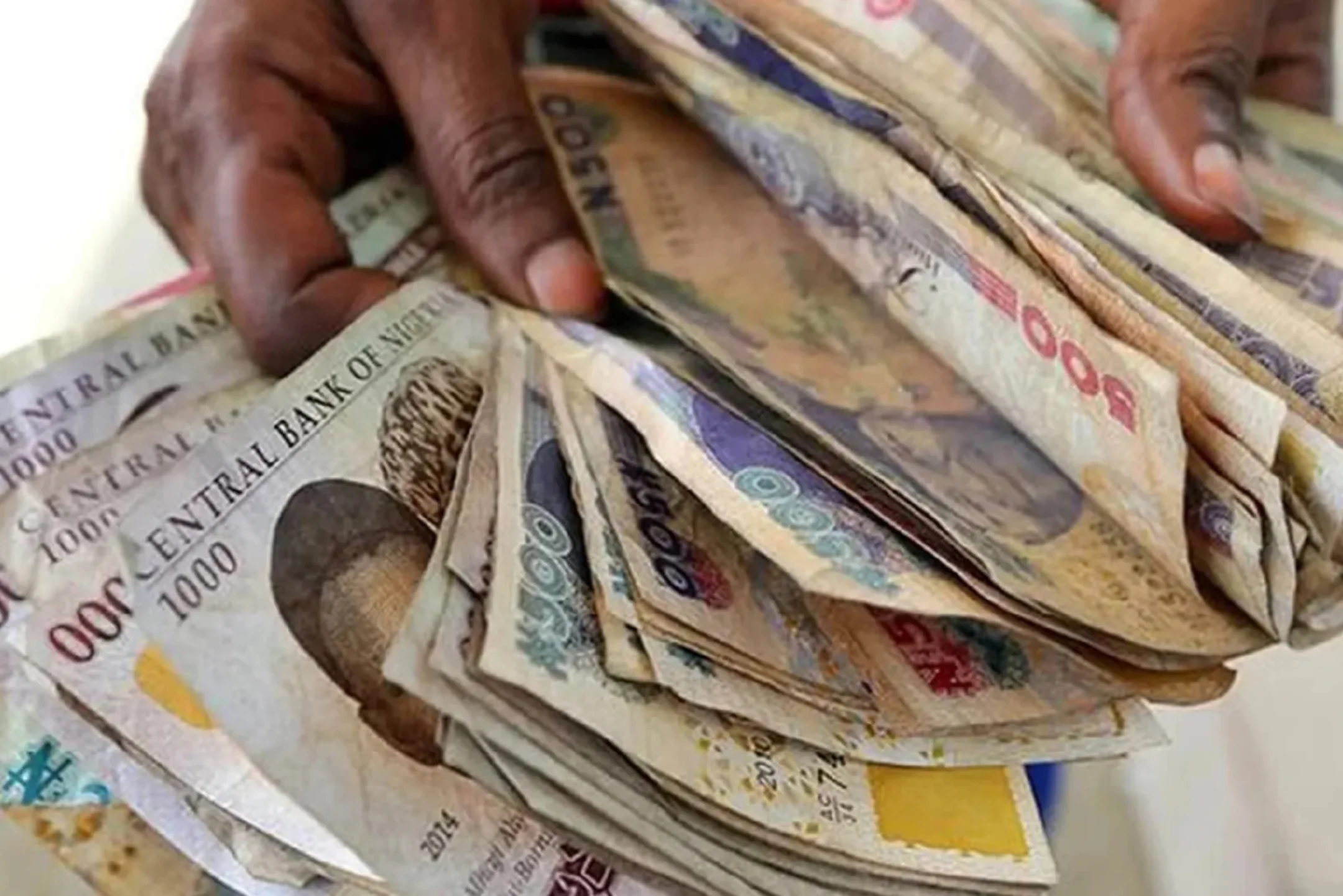
Nigeria’s broad money supply (M3) expanded to N119.04 trillion in October 2025, up by N1.25 trillion or 1.06% from N117.78 trillion in September, according to the latest monetary aggregates released by the Central Bank of Nigeria (CBN).
The increase marks a reversal from the subdued growth seen in previous months and comes one month after the Monetary Policy Committee delivered its first interest-rate cut in five years, lowering the Monetary Policy Rate (MPR) by 50 basis points to 27% in September.
On a year-on-year basis, M3 grew by a solid N11.04 trillion or 10.22% compared with N107.99 trillion recorded in October 2024, signalling that liquidity continues to build in the financial system even under a historically tight policy regime.
The October expansion was driven overwhelmingly by domestic factors. Net domestic assets (NDA) of the banking system soared by N8.11 trillion — a 10.65% jump in a single month — to N84.23 trillion. The surge reflects stronger credit extension to both the private sector and the government.
This sharp rise in domestic claims more than offset a steep N6.86 trillion (16.45%) decline in net foreign assets (NFA), which fell to N34.80 trillion from N41.66 trillion in September. Despite the monthly contraction, NFA remains N14.01 trillion higher than in October 2024.
M2, a slightly narrower measure that excludes some longer-term deposits, mirrored the trend, rising by the same N1.25 trillion (1.06%) to N119.03 trillion. Year-on-year M2 growth also stood at 10.22%.
Narrow money (M1) comprising currency in circulation and demand deposits — recorded a more modest gain of N239 billion or 0.61%, reaching N39.35 trillion. Its annual growth was stronger at 13.12%.
Economists noted that the data confirm the domestic economy is now the primary engine of liquidity creation, with foreign asset shrinkage highlighting ongoing external sector challenges despite recent gains in reserves.
At its November 2025 meeting, the MPC opted to keep the MPR unchanged at 27%, emphasising the need to consolidate recent progress on inflation while allowing earlier policy actions to fully transmit. The committee narrowed the interest-rate corridor to +50/-450 basis points and retained existing reserve requirements and liquidity ratios.
Speaking after the two-day meeting, CBN Governor Olayemi Cardoso said members agreed the economy needs additional time for the September easing to work through the system. “The committee remains committed to an evidence-based and data-driven approach,” he told journalists in Abuja.
Analysts say the October money-supply figures provide early evidence that the rate cut is beginning to loosen financial conditions, though the sharp drop in net foreign assets will keep policymakers vigilant about exchange-rate stability and imported inflation risks as the year draws to a close.